

There is a difference between films that provoke and films that linger. The first might thrill you for an evening. The second rearranges something in your thinking.
This list looks at Adult drama films that belong to the realm of sensual cinema. These are works of character-driven storytelling films that understand that attraction is never just physical. It is about power, vulnerability, identity, and longing.
If you’re searching for sexy-but-smart movies or truly adult films with depth, these are not about spectacle. They are sensual dramas that feel closer to confession than performance. In many ways, they are the most intelligent romantic films of their generation.
They suggest that desire is never simple. It is political and psychological and oftentimes tragic.
What Makes a Film “Sexy but Smart ”?
A film becomes “sexy but smart” when it understands restraint. When it knows that tension is more destabilizing than explicitness.
In the best mature relationship films, what matters is not what is shown, but what is withheld. These are intelligent romance movies that prioritize:
- Emotional tension over explicit scenes
- Character psychology as narrative engine
- Moral ambiguity instead of easy answers
- Dialogue-driven intimacy that feels dangerously honest
- Long-lasting thematic impact that stays with you
The most compelling sensual character dramas recognize that longing is rarely clean. It carries guilt, consciousness, and consequences for humans.
13 Sexy but Smart Films
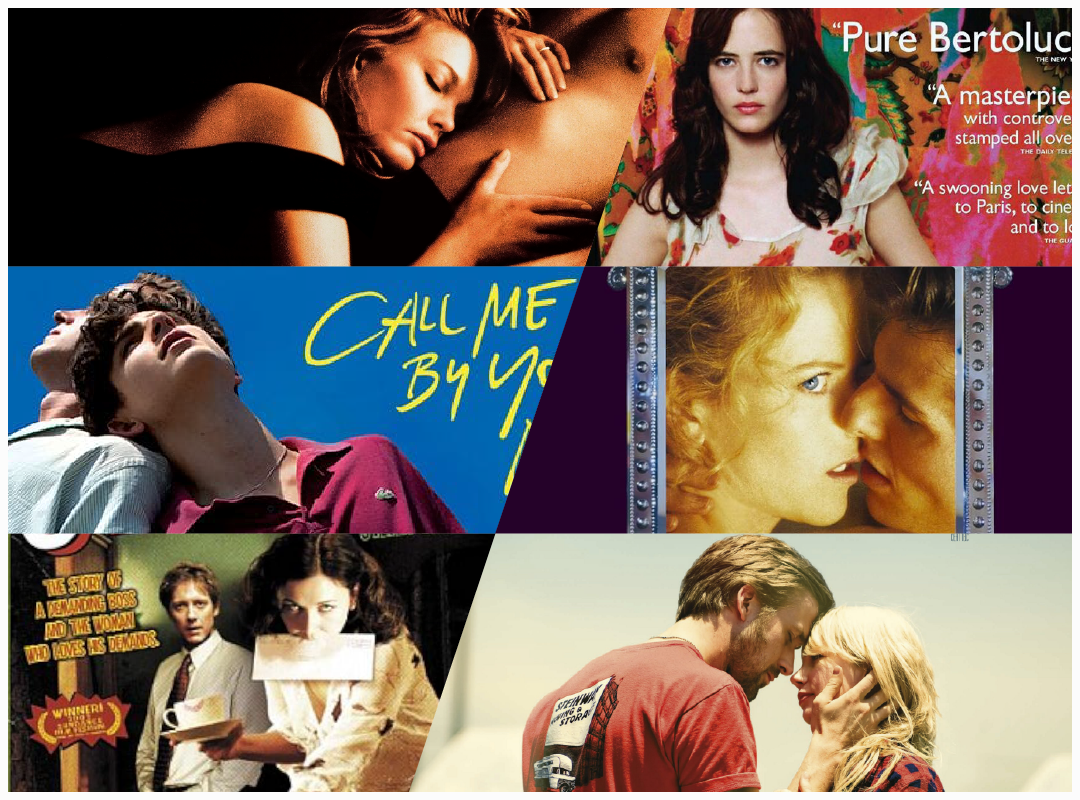
#13 – Unfaithful (2002)
A Dangerous Choice, A Perfect Marriage, and the Moment Everything Changed
https://www.youtube.com/watch?v=T75ZKjYDT64
Director: Adrian Lyne Starring: Diane Lane, Richard Gere, Olivier Martinez Runtime: 124 mins | Rating: R Where to Watch: Amazon Prime Video, Tubi Worldwide Gross: $119 million Rotten Tomatoes: 51% Critics / 68% Audience
A married woman living in suburban comfort finds herself drawn to a stranger after a chance encounter disrupts her routine. As temptation turns into secrecy, her carefully built life begins to strain under guilt and suspicion. This intimate drama explores marriage, emotional realism, and psychological unraveling in one of the most discussed sensual thriller films.
A sharp example for any Unfaithful movie analysis, and among the most emotionally precise sensual films of its era.
#12 – The Dreamers (2003)
When Cinema, Revolution & Sexuality Collide in 1968 Paris
https://www.youtube.com/watch?v=cHaoi6CPDg8
Director: Bernardo Bertolucci Starring: Michael Pitt, Eva Green, Louis Garrel Runtime: 115 mins | Rating: NC-17 Where to Watch: MUBI, Criterion Channel Worldwide Gross: $23.8 million Rotten Tomatoes: 59% Critics / 78% Audience
An American student studying in Paris forms an intense bond with a French brother and sister during the 1968 political uprisings. As youthful rebellion blurs into intimacy, the trio retreats into cinema, fantasy, and experimentation. Set against revolution, the story weaves politics and identity in a provocative coming-of-age tale.
In any serious analysis of The Dreamers, the film's meaning and sensuality cannot be separated from ideology. This is one of the boldest artistic sensual dramas, where intimacy mirrors political unrest.
#11 – Call Me by Your Name (2017)
A Sun-Drenched Italian Summer and a Love That Cannot Be Undone
https://www.youtube.com/watch?v=Z9AYPxH5NTM&t
Director: Luca Guadagnino Starring: Timothée Chalamet, Armie Hammer Runtime: 132 mins | Rating: R Where to Watch: Netflix, Amazon Prime Video
Worldwide Gross: $41.9 million Rotten Tomatoes: 95% Critics / 87% Audience
A precocious 17-year-old spending the summer in Italy develops a deep connection with his father’s visiting research assistant. What begins as intellectual curiosity slowly evolves into emotional and romantic awakening. Set against sun-drenched landscapes, the film explores identity, longing, and self-discovery.
In any careful Call Me by Your Name analysis, the power lies in restraint. It remains a defining mature coming-of-age romance, shaped as much by silence as by touch.
#10 – Eyes Wide Shut (1999)
Stanley Kubrick's Final Meditation on Marriage, Desire & Power
https://www.youtube.com/watch?v=xgVo96JaqeM
Director: Stanley Kubrick Starring: Tom Cruise, Nicole Kidman Runtime: 159 mins | Rating: R / NC-17 (Original Cut) Where to Watch: Max, Amazon Prime Video Worldwide Gross: $162 million Rotten Tomatoes: 75% Critics / 83% Audience
After his wife shares an unsettling confession, a New York doctor embarks on a nightlong journey that challenges his understanding of marriage, desire, and control. As fantasy and reality begin to blur, he confronts secrecy, power, and his own insecurities.
Frequently dissected through Eyes Wide Shut themes, the film remains a landmark among erotic psychological films exploring intimacy and illusion.
#9 – Secretary (2002)
Beneath the Surface of a Perfectly Uncomfortable Love Story
https://www.youtube.com/watch?v=AFma24S-Uvw&t
Director: Steven Shainberg Starring: Maggie Gyllenhaal, James Spader Runtime: 111 mins | Rating: R Where to Watch: Amazon Prime Video, Tubi Worldwide Gross: $4.1 million Rotten Tomatoes: 78% Critics / 82% Audience
A young woman starting a new job as a legal secretary forms an unconventional bond with her demanding employer. As their professional relationship shifts into deeply personal territory, questions of control, consent, and emotional vulnerability surface. Often revisited in Secretary movie analysis, this character-focused drama stands out among unconventional romance films that explore power dynamics within intimacy.
#8 – In the Mood for Love (2000)
Two Souls, Two Secrets, and the Most Restrained Romance Ever Filmed
https://www.youtube.com/watch?v=m8GuedsQnWQ
Director: Wong Kar-wai Starring: Maggie Cheung, Tony Leung Runtime: 98 mins | Rating: PG Where to Watch: MUBI, Criterion Channel, Max, Amazon Prime Video, AppleTV+, Worldwide Gross: $17 million Rotten Tomatoes: 92% Critics / 94% Audience
In 1960s Hong Kong, two neighbors discover that their spouses may be involved in an affair. Drawn together by shared loneliness, they begin to navigate restrained companionship shaped by longing and unspoken desire. Through quiet gestures and emotional restraint, the film explores suppressed connection and moral tension.
In any serious In the Mood for Love analysis, sensuality becomes architectural. It remains among the most exquisite sensual arthouse films ever made.
#7 – Blue Valentine (2010)
The Most Honest Film Ever Made About How Love Dies
https://www.youtube.com/watch?v=aILx69WrRhQ
Director: Derek Cianfrance Starring: Ryan Gosling, Michelle Williams Runtime: 112 mins | Rating: R Where to Watch: Amazon Prime Video, Peacock, AppleTV+ Worldwide Gross: $9.7 million Rotten Tomatoes: 87% Critics / 84% Audience
A married couple reflects on the early spark of their romance while facing the present strain of a relationship under pressure. Moving between past and present, the story examines intimacy, disappointment, and emotional vulnerability without romantic illusion. Frequently cited in discussions of Blue Valentine's mature romance, the film stands among the most honest, realistic relationship movies about love’s fragility.
#6 – Closer (2004)
Four People, Four Lies, and the Brutally Honest Language of Modern Desire
https://www.youtube.com/watch?v=BdmOjfGTUzQ&t=2s
Director: Mike Nichols Starring: Julia Roberts, Jude Law, Natalie Portman, Clive Owen Runtime: 104 mins | Rating: R Where to Watch: Amazon Prime Video, Netflix Worldwide Gross: $83.7 million Rotten Tomatoes: 65% Critics / 72% Audience
Two couples become entangled in a web of attraction, betrayal, and emotional confrontation in modern-day London. As desire shifts between them, honesty turns into weaponry and intimacy becomes negotiation. Focused on adult romantic realism and the consequences of truth.
A careful look at the Closer film themes reveals how desire is weaponized. It remains a searing adult relationship drama — spare, confrontational, unforgettable.
#5 – A Bigger Splash (2015)
Sun, Seduction, and the Dangerous Chaos of Unfinished Desire
https://www.youtube.com/watch?v=eBpvKfMWB-o
Director: Luca Guadagnino Starring: Tilda Swinton, Ralph Fiennes, Dakota Johnson, Matthias Schoenaerts Runtime: 125 mins | Rating: R Where to Watch: MUBI, Amazon Prime Video, AppleTV+ Worldwide Gross: $9.2 million Rotten Tomatoes: 89% Critics / 63% Audience
A rock star recovering on a remote Italian island sees her quiet retreat disrupted by the arrival of a former lover and his daughter. Old tensions resurface as jealousy, control, and unresolved desire begin to simmer beneath the sun-soaked calm.
As examined in most A Bigger Splash analyses, this slow-burning story stands out as a modern erotic psychological drama about power and temptation.
#4 – Before Midnight (2013)
The Most Searingly Real Conversation About Love You Will Ever Watch
https://www.youtube.com/watch?v=NRVLVPWzeek
Director: Richard Linklater Starring: Ethan Hawke, Julie Delpy Runtime: 109 mins | Rating: R Where to Watch: Amazon Prime Video, Peacock, Tubi, AppleTV+ Worldwide Gross: $8.1 million Rotten Tomatoes: 98% Critics / 87% Audience
Years into their relationship, a couple vacationing in Greece confronts the evolving realities of love, parenthood, and ambition. As conversations turn intimate and confrontational, long-term commitment is tested by honesty and expectation.
In any Before Midnight analysis, what emerges is the fragility of long-term love. This installment of the mature romantic trilogy strips away fantasy and replaces it with work. Marriage, it suggests, is negotiation.
#3 – Y Tu Mamá También (2001)
A Road Trip, a Woman, and the End of Innocence
https://www.youtube.com/watch?v=UW1LQbtRuAM
Director: Alfonso Cuarón Starring: Gael García Bernal, Diego Luna, Maribel Verdú Runtime: 106 mins | Rating: NC-17 / Not Rated Where to Watch: MUBI, Amazon Prime Video Worldwide Gross: $33.5 million Rotten Tomatoes: 92% Critics / 90% Audience
Two teenage friends embark on a road trip across Mexico with an older woman who challenges their assumptions about masculinity, class, and desire. As the journey unfolds, sexual awakening intersects with political and social realities. Frequently unpacked in discussions of Y Tu MamáTambién'sn meaning, the film is regarded as one of the most layered, intelligent, sensual films about youth and identity.
#2 – Black Swan (2010)
Obsession, Identity & the Seduction of Absolute Perfection
https://www.youtube.com/watch?v=5jaI1XOB-bs
Director: Darren Aronofsky Starring: Natalie Portman, Mila Kunis, Vincent Cassel Runtime: 108 mins | Rating: R Where to Watch: Disney+, Amazon Prime Video, AppleTV+ Worldwide Gross: $329.4 million Rotten Tomatoes: 85% Critics / 84% Audience
A disciplined ballet dancer competes for the lead role in a prestigious production while grappling with intense pressure and self-doubt. As ambition pushes her toward transformation, obsession, identity, and control begin to blur into psychological tension. Commonly explored through Black Swan themes, the film remains a striking example of psychologically sensual films centered on performance and repression. The film stands among the most influential psychological sensual films of the 21st century.
#1 – Portrait of a Lady on Fire (2019)
A Forbidden Gaze, a Stolen Week, and a Love That Outlasts Everything
https://www.youtube.com/watch?v=UrjP5T_IBFo
Director: Céline Sciamma Starring: Noémie Merlant, Adèle Haenel Runtime: 122 mins | Rating: Not Rated Where to Watch: Hulu, MUBI, Amazon Prime Video, AppleTV+ Worldwide Gross: $8.7 million Rotten Tomatoes: 98% Critics / 90% Audience
An artist is commissioned to secretly paint a young woman promised in marriage on a remote island in 18th-century France. As observation turns into emotional connection, questions of freedom, gaze, and desire quietly emerge. Frequently discussed in Portrait of a Lady on Fire analysis, the film stands as an enduring, intelligent romantic drama shaped by restraint and emotional depth.
What defines Portrait of a Lady on Fire analysis is the absence. No score. No spectacle. Just breathe and glance. It is the purest example of an intelligent romantic drama, where silence feels more intimate than touch.
What These Films Teach Us About Human Desire
Within film studies, desire is seldom reduced to the body alone; it is treated as a structure of meaning. The psychology of desire in film frames longing not as fulfillment, but as lack — a condition shaped by distance, prohibition, and imagination. In this light, what erotic films say about humans is often unsettling: that attraction is bound up with uncertainty, and that we are drawn not only to pleasure, but to instability.
The intervention of Laura Mulvey (male gaze theory) fundamentally altered how scholars interpret cinematic looking. In discussions of gaze theory cinema, the act of seeing is never neutral; it is tied to authorship, authority, and control of the frame. At the same time, the influence of Sigmund Freud persists in readings of repression, projection, and unconscious desire, while Roland Barthes offers a language for understanding pleasure as something textual, constructed, and culturally coded.
Through the lens of film theory sexuality, these narratives emerge not as indulgent spectacles but as meditations on identity formation, memory, fear, and social regulation. To engage with them critically is to refine one’s interpretive practice — to expand not only aesthetic awareness, but also one’s capacity to hold contradiction at the center of human experience.
Final Takeaway – When Desire Meets Depth
Intelligence and desire are not opposing forces within cinema; they frequently operate in tandem. The films discussed here suggest that erotic charge and intellectual inquiry can coexist within the same frame, each sharpening the other. Sensuality, in these works, becomes a vehicle for examining power, identity, morality, and vulnerability rather than an end in itself.
The best films to broaden your mind are often those that resist easy comfort. They ask the viewer to tolerate ambiguity, to recognize contradiction, and to observe desire as both generative and destabilizing. The most emotionally intelligent films do not instruct the audience what to feel; they create space for reflection. Engaging with such works is not indulgent—it is an exercise in film literacy, an expansion of emotional intelligence, and a meaningful form of cultural enrichment.
To approach these titles seriously is to acknowledge cinema as a site of inquiry. Desire, when framed with care, becomes a lens through which we can examine social codes, interior life, and the politics of looking. If you are interested in the ways film can illuminate human complexity, this body of must-watch adult cinema offers a rigorous starting point.
And if you have your own picks, share them. The conversation around must-watch adult cinema is always evolving. You might also explore related lists like “Best Psychological Thrillers” or “Most Controversial Films Ever Made.”