
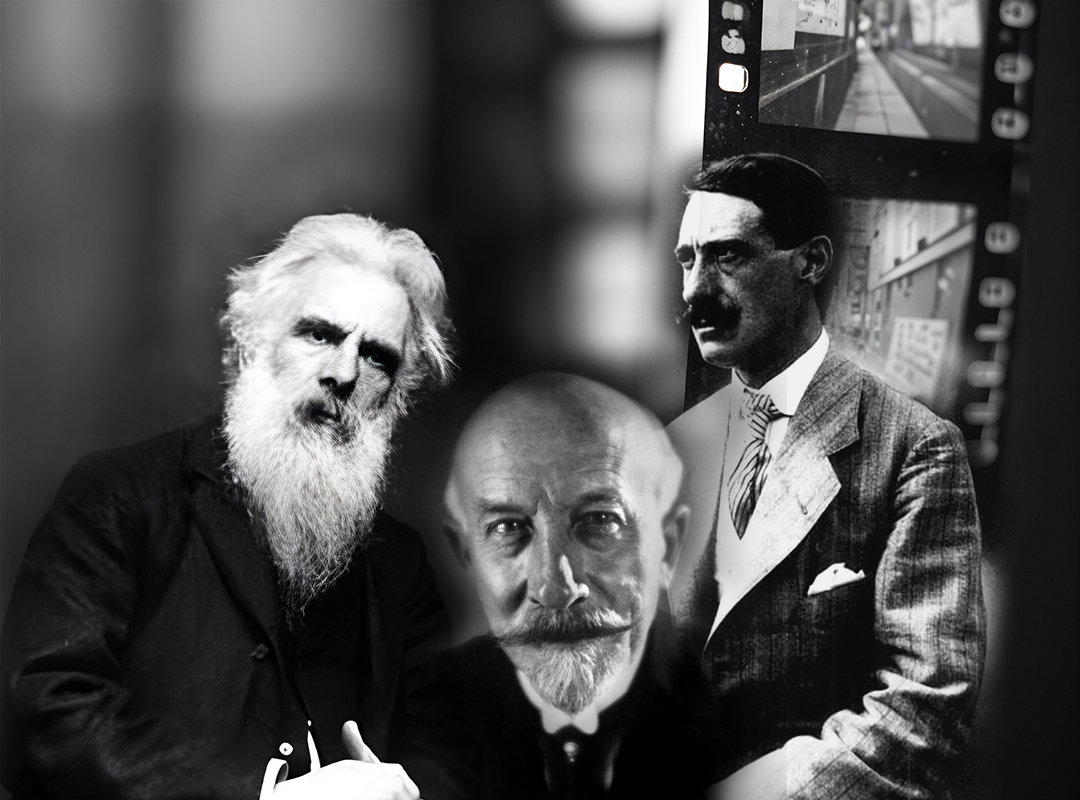

Before billion-dollar blockbusters and CGI spectacles, there was just light, motion, and imagination. Long before the first Hollywood studio rose from the dust, a handful of visionaries were experimenting with cameras, light, and the very nature of storytelling. These individuals were more than just filmmakers—they were inventors, technicians, and most importantly… dreamers.
This isn’t a list of directors you already know. This is about the fathers of film—the founders of cinema who built the blueprint for the movie industry as we know it. Through trial, error, and often obscurity, they gave birth to what would become one of the most powerful cultural forces in the world.
Let’s rewind to the very origin of cinema.
Louis & Auguste Lumière — The Founding Frame
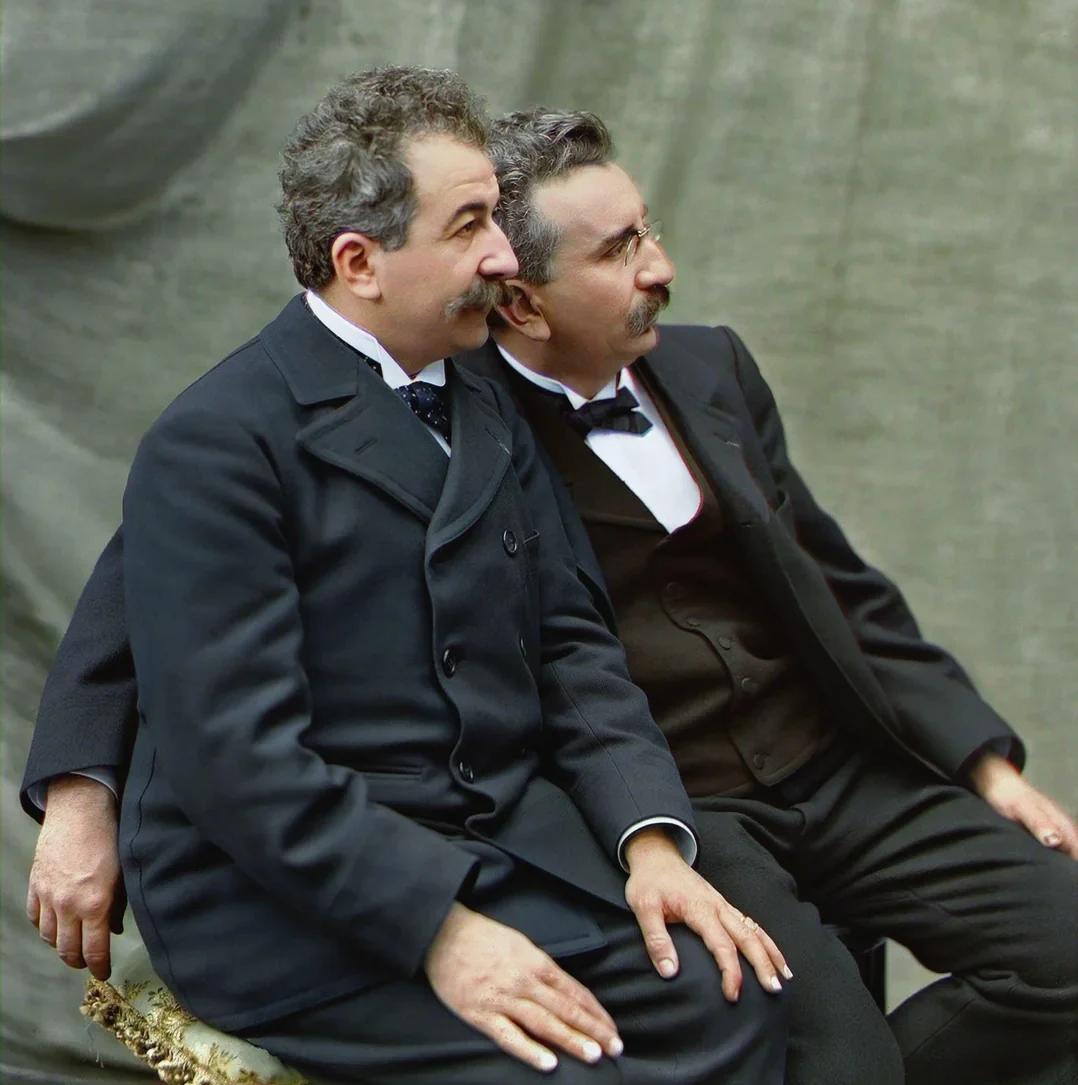
Often credited with the birth of cinema, the Lumière brothers invented the Cinématographe: a camera, projector, and printer rolled into one. On December 28, 1895, they hosted the first public screening of motion pictures in Paris, ushering in the silent film era and turning moving images into mass entertainment. Their observational films were the stepping stones of early cinema history. The beginnings of the movie industry if you may.
Georges Méliès — The First Movie Magician
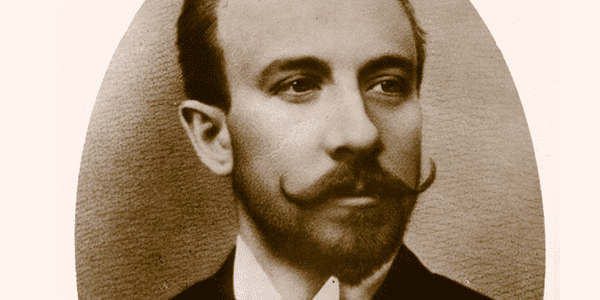
A former stage illusionist, Méliès did more than just document reality—he reimagined it. With films like A Trip to the Moon (1902), he pioneered special effects, editing techniques, and color-tinted film. He transformed motion pictures from novelty to narrative, laying the groundwork for visual storytelling and fantasy cinema. Méliès was one of the first true movie innovators.
Thomas Edison & William K.L. Dickson — The Tech Titans
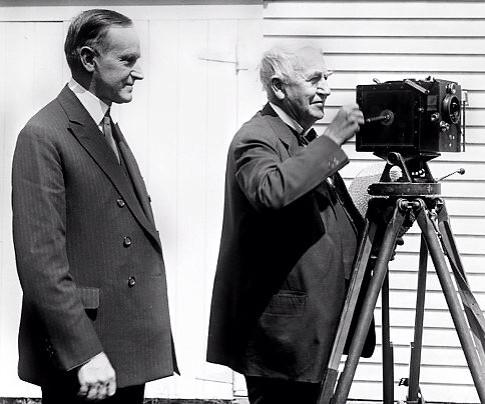
In the U.S., Edison had the patents, but Dickson had the vision. Together, they created the Kinetograph and Kinetoscope, two of the earliest devices in motion picture history. Inside the Black Maria, America’s first film studio, they staged some of the first narrative films. Their contribution marks a major milestone in the evolution of filmmaking.
Eadweard Muybridge — The Motion Freezer
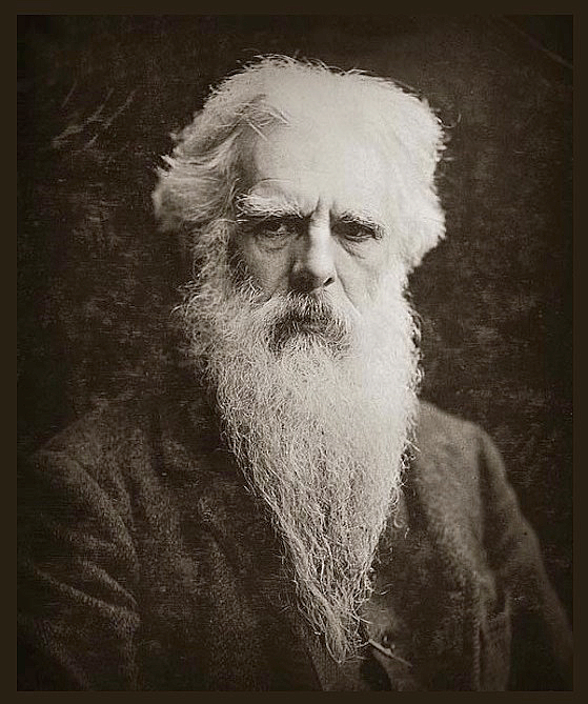
Long before films rolled in reels, Muybridge was photographing galloping horses, proving motion could be captured frame by frame. His invention, the zoopraxiscope, allowed him to project moving images, making him one of the pioneers of motion pictures, even before they had a name.
Louis Le Prince — The Vanishing Pioneer
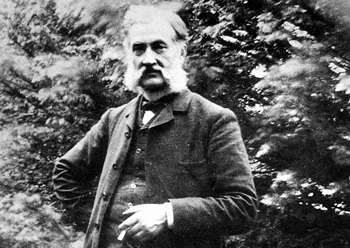
Le Prince filmed Roundhay Garden Scene in 1888—predating the Lumières and Edison. His single-lens motion picture camera and mysterious disappearance make him one of the most fascinating figures in early filmmaking. Though largely forgotten, his brief moment behind the camera represents the true origin story of cinema.
J. Stuart Blackton — The Animation Architect
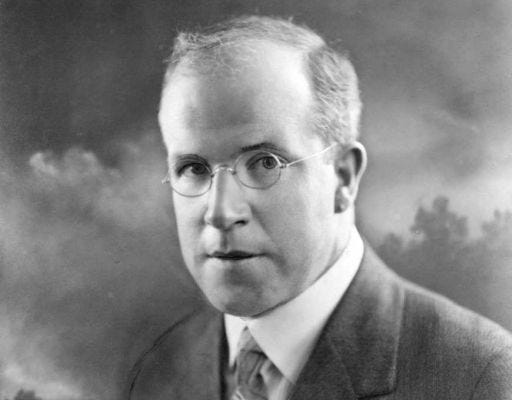
Known for Humorous Phases of Funny Faces (1906), Blackton was among the first to animate drawings. A co-founder of Vitagraph Studios, he helped launch not just animated cinema, but also special effects and narrative short films. Blackton embodies the shift from mechanical marvel to artistic expression in the silent film era.
Émile Reynaud — The Pre-Film Animator
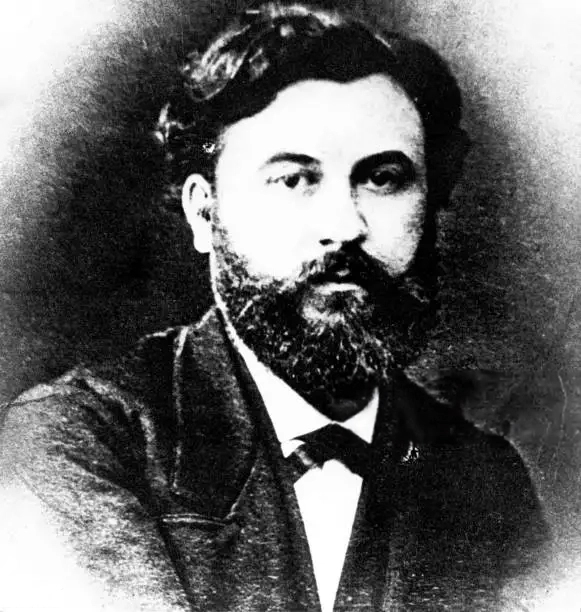
Before projectors, Reynaud was hand-painting and projecting animations with his Théâtre Optique. As an inventor, he introduced the use of perforated film and live performance with image projection. His work predates the beginnings of the movie industry, making him a lost legend in the history of film.
Segundo de Chomón — The Spanish Surrealist
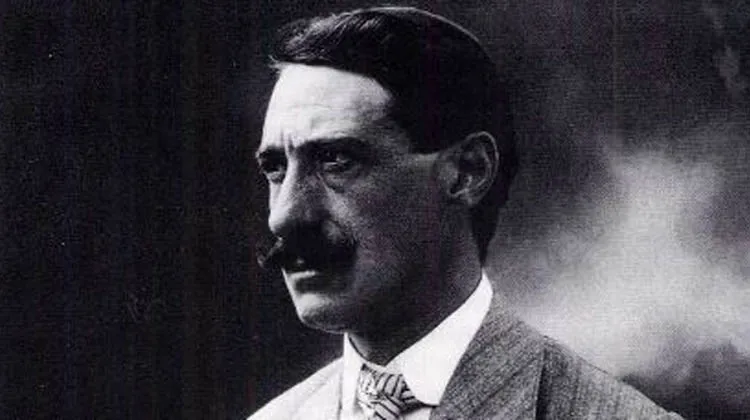
Often overshadowed by Méliès, Chomón crafted vivid, surreal films using color tinting, stop-motion, and visual effects that influenced generations of filmmakers. With films like The Electric Hotel and his contributions to Cabiria, he helped elevate film from novelty to art, a hidden gem in the cinema origins timeline.
Robert W. Paul — Britain’s Film Builder
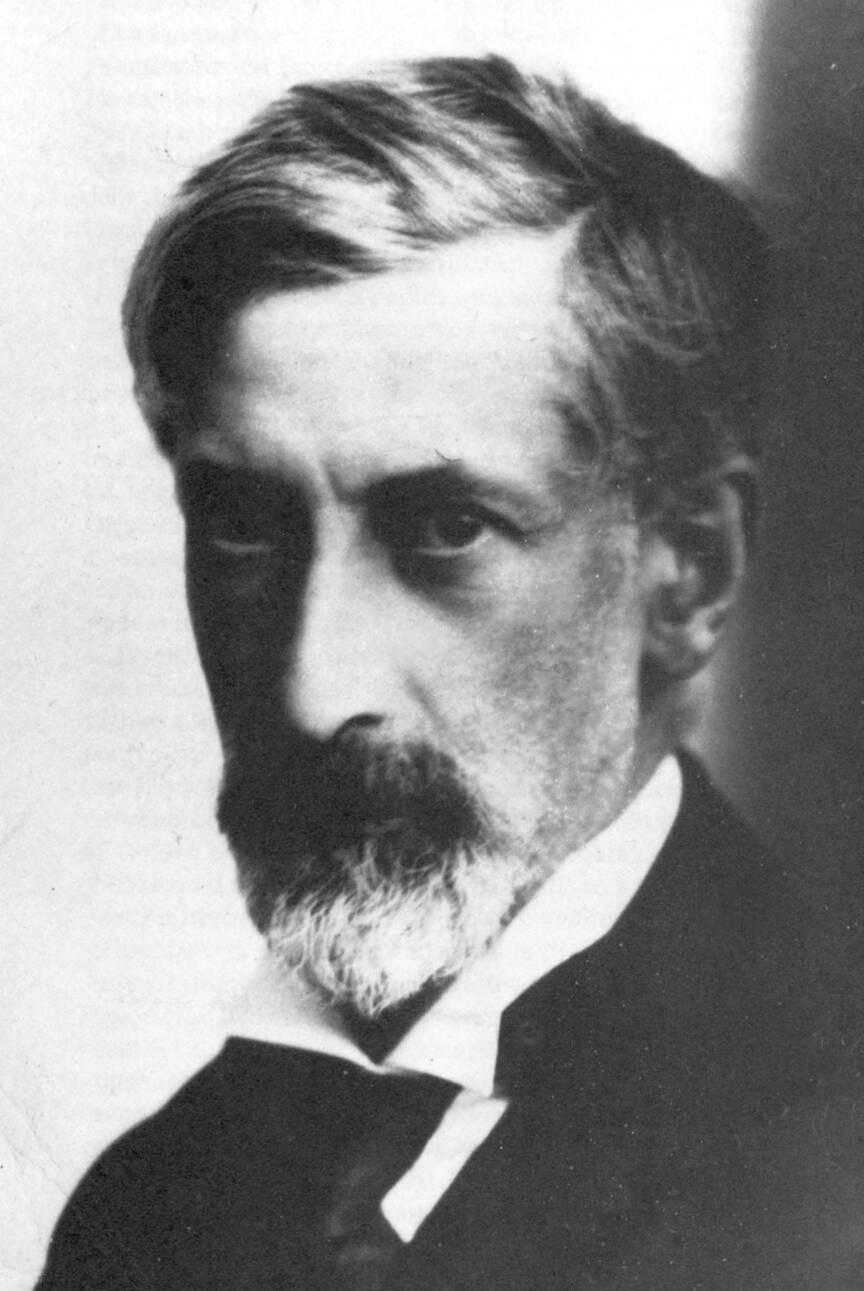
Paul reverse-engineered Edison’s Kinetoscope and built his camera and projector, becoming Britain’s first major filmmaker. He made hundreds of short films, from comedies to documentaries, and trained future directors. A true film pioneer, he built the infrastructure of early British cinema.
Dadasaheb Phalke — The Father of Indian Cinema
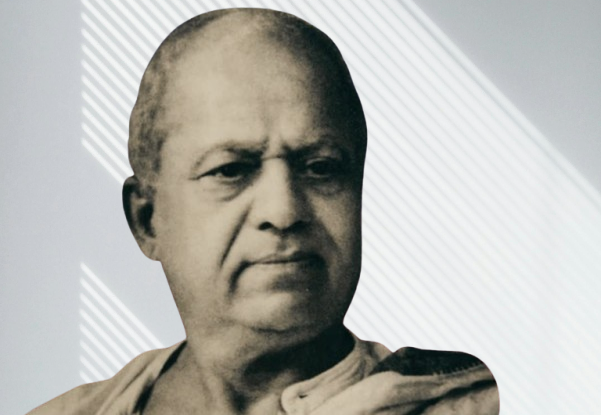
With Raja Harishchandra (1913), Phalke created India’s first full-length feature film. Handling everything from development to editing, he single-handedly launched what would become one of the largest film industries in the world. His legacy lives in Bollywood, but his roots trace back to the global history of film itself.
Akira Kurosawa — The Global Game-Changer
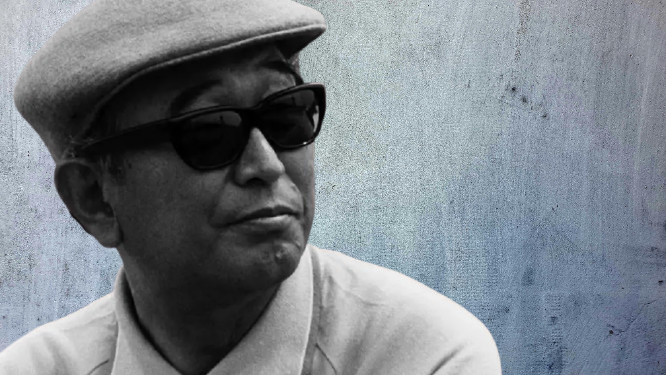
Though not from the silent era, Kurosawa's work reshaped modern cinema. Films like Seven Samurai and Rashomon introduced bold editing, deep emotion, and universal themes. His work marked a turning point where the silent era’s visual grammar met modern storytelling ambition, proving that the evolution of filmmaking… was just getting started.
Honorable Mentions
- Albert Samama-Chikli – North African pioneer of narrative film and regional cinema
- Oskar Messter – German inventor who helped develop synchronized sound
- Willie & Max Linder – French comic geniuses who influenced Chaplin
- Ralph Steiner – Experimental filmmaker shaping visual rhythm
- Ryoji Ikeda – Modern innovator whose visual work impacted digital cinema
A Legacy in Motion
These pioneers didn’t just shape an industry—they built a medium. Their cameras were crude, their theaters makeshift, but their ambition was limitless. Through invention, perseverance, and artistry, they defined what movies could be.
As we celebrate fatherhood this month, let’s remember the fathers of film—the ones who raised the cinema we know and love from its very first flicker of light.