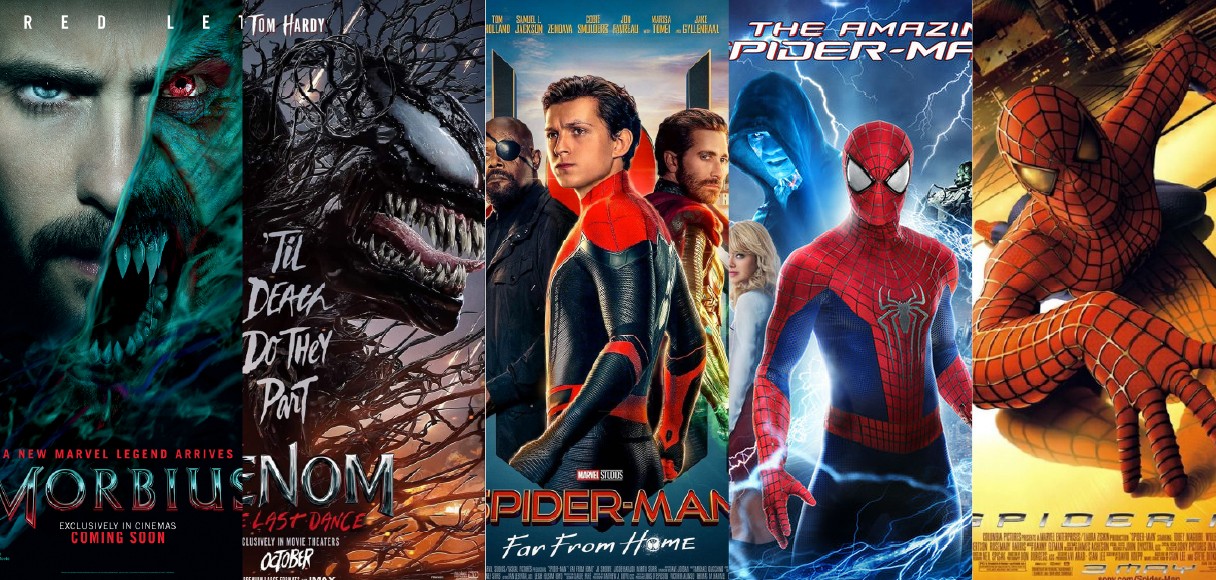

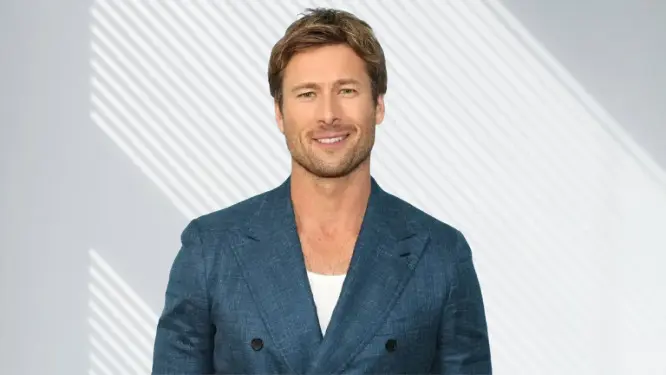

From Anyone But You to How to Lose a Fortune
Two years ago, Glen Powell was the talk of the town. Hollywood. He'd ridden shotgun in the highest-grossing film of 2022 (Top Gun: Maverick), turned a barely-marketed romcom into a $220 million sleeper hit (Anyone But You), and steered a legacy-sequel disaster movie (Twisters) past $370 million worldwide. Magazine covers called him the next Tom Cruise. And then, inside four months, he delivered two theatrical disappointments back to back: Edgar Wright's The Running Man, which grossed roughly $69 million worldwide on a reported $110 million budget, and now How to Make a Killing, the A24 black comedy that opened to $3.56 million in sixth place on the weekend of February 20, 2026, behind Wuthering Heights, GOAT, I Can Only Imagine 2, Crime 101, and Send Help.
With How to Make a Killing, Powell chose a dark, talky, eat-the-rich genre piece from the writer-director of Emily the Criminal, John Patton Ford, knowing it sat well outside his romcom-and-jet-fighter wheelhouse. The film is loosely based on the 1949 Ealing classic Kind Hearts and Coronets, the Kind Hearts and Coronets remake that several filmmakers had failed to mount over a decade. He produced it through Barnstorm Productions, his own banner. The pivot was deliberate. Unfortunately, the reception was poor.
What this opening reveals is the gap between likeable and bankable — two things modern movie stardom keeps confusing for each other. Powell is still extremely likeable. The box office is telling a different story.
The Project: From Rothchild to How to Make a Killing
A. The 2014 Black List Origins
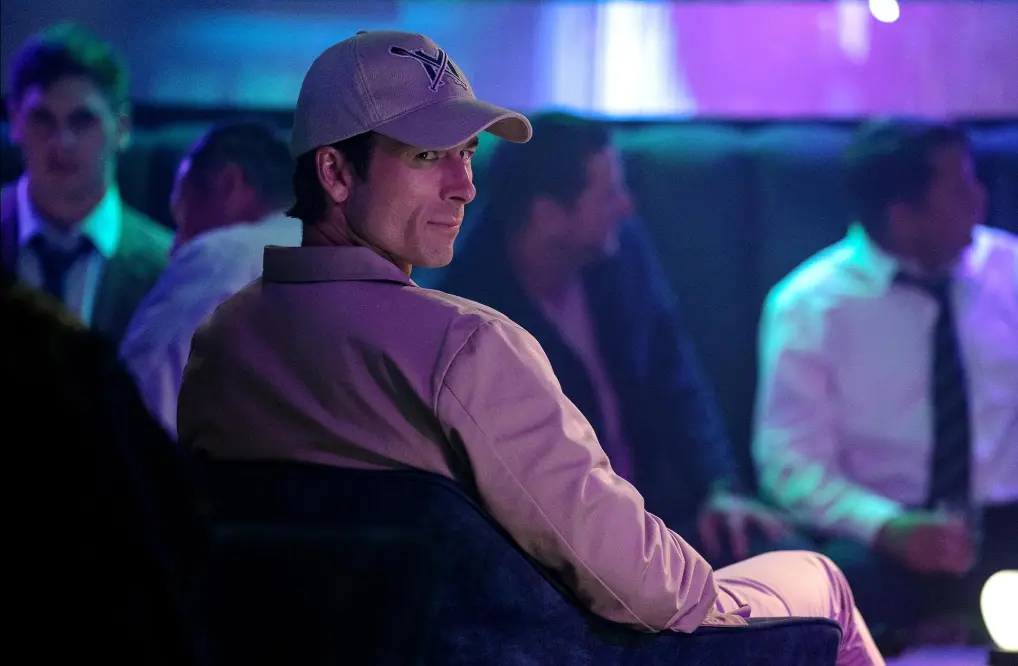
The screenplay long predates Powell's involvement. John Patton Ford, then a struggling writer, wrote it in the early 2010s under the title Rothchild — a pun on the Rothschild banking dynasty. It landed on the 2014 Black List, the industry survey of best-liked unproduced screenplays, and bounced around development for years before finding traction.
B. The 2019 Cannes Package
In May 2019, the project arrived at the Cannes Market as a starry package: Shia LaBeouf attached as the disinherited heir, Mel Gibson as the family patriarch, and Jon S. Baird (Stan & Ollie) directing. HanWay was launching it on the Riviera. The combination of Gibson's checkered public history and the script's pun on the Rothschild title generated controversy almost immediately, and the package quietly fell apart. The screenplay went back on the shelf.
It returned to life in March 2023 with one big change: Ford himself would direct, off the back of Emily the Criminal's strong reviews and four Independent Spirit Award nominations (he won Best First Screenplay). By this point, the project carried a new working title, Huntington, and the family had been renamed from Rothchild to Redfellow.
C. The 2024 Casting
In January 2024, Glen Powell boarded as the lead. Margaret Qualley and Ed Harris signed on in May. By June, the rest of the ensemble was set: Jessica Henwick, Topher Grace, Zach Woods, Bill Camp, and Raff Law. Principal photography began the same month in Cape Town, South Africa, with hundreds of local cast, crew, and extras doubling South Africa for various American settings. Producers were Graham Broadbent and Peter Czernin of Blueprint Pictures.
D. The Title Change
In November 2025, Powell told The Hollywood Reporter that the film would be released under a new title. A week later, A24 unveiled it: How to Make a Killing. The first trailer dropped on November 25, 2025. The U.S. release followed on February 20, 2026, with StudioCanal handling the U.K. release on March 11, 2026, and France on March 25.
The Premise: Eat-the-Rich or Eat-the-Poor?
A. The Setup
Powell plays Becket Redfellow, the unacknowledged son of a teenage mother who was exiled from the obscenely wealthy Redfellow clan for refusing to terminate her pregnancy. Raised by his single mother, Mary, in poverty, Becket grows up watching his estranged blood relatives compound their fortune into a $28 billion empire. After Mary dies impoverished, Becket sets out to claim the life she always told him he deserved. Seven Redfellow heirs are standing between him and the inheritance. He plans to remove them, one by one.
B. The Kind Hearts and Coronets Connection
The reference point is unmistakable. Kind Hearts and Coronets, the 1949 Ealing comedy directed by Robert Hamer and co-written with John Dighton, is the British classic in which Alec Guinness famously plays all eight members of the doomed D'Ascoyne family. The film's source novel, Israel Rank: The Autobiography of a Criminal, was written by Roy Horniman and published in 1907. It tells the story of a half-Jewish outsider who methodically murders his way to a dukedom.
C. The Execution
How to Make a Killing leans hard on Becket's voiceover narration to thread the plot. Several of the killings happen off-frame, which strips the film of the gleeful spectacle that contemporary audiences have come to expect from genre cousins like Ready or Not or Triangle of Sadness. Plot mechanics around the FBI investigation and the handling of physical evidence have drawn criticism as the weakest link in an otherwise stylish movie.
The Performance: Powell as Anti-Hero
A. The Character
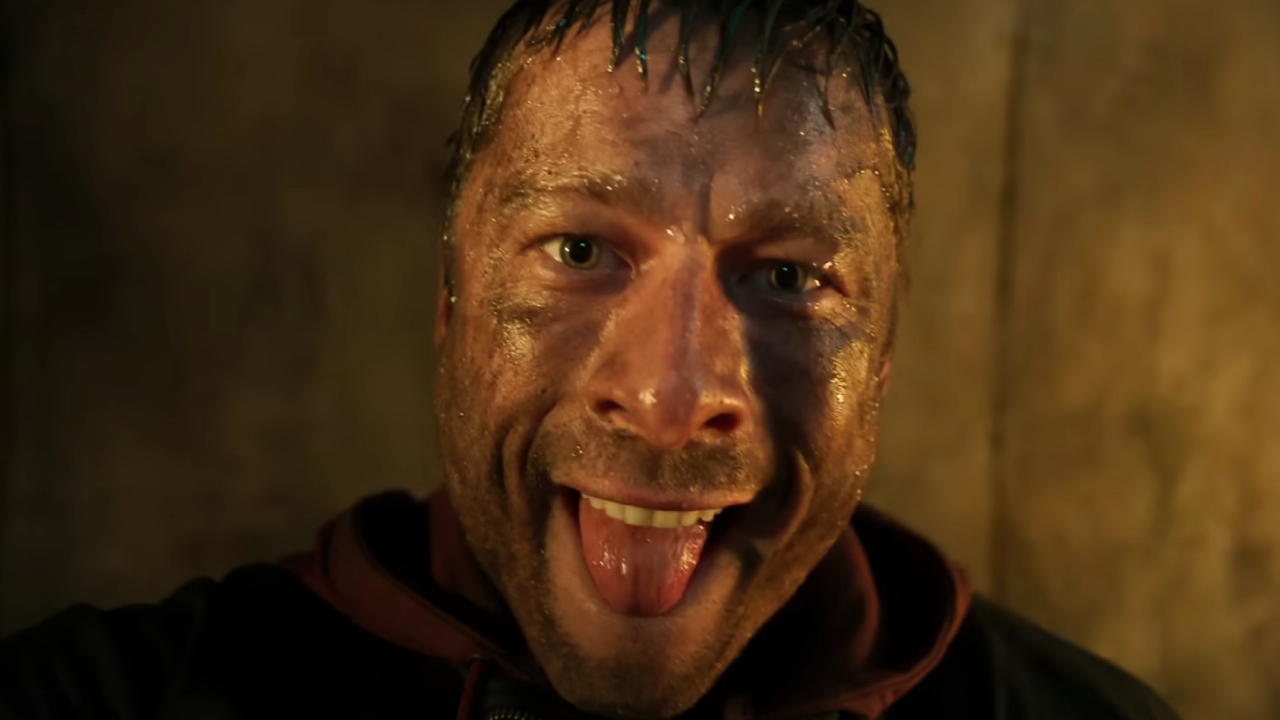
Becket Redfellow is Powell's first real attempt at moral compromise on screen. He's spent the past four years playing variations of the all-American good guy: Hangman, Tyler Owens, Ben Richards. Becket is calculating, vindictive, occasionally pathetic, and physically transformed — Powell reportedly went on a strict diet, lost considerable weight, and changed his hair colour for the role, to the visible nervousness of executives who had bankrolled him on the strength of his romantic-lead bona fides.
B. The Supporting Cast
Margaret Qualley plays Julia Steinway, Becket's childhood friend who reenters his orbit and becomes both accomplice and rival. Jessica Henwick is Ruth, Becket's first target's girlfriend, and the film's closest thing to a moral compass. Ed Harris is Whitelaw Redfellow, the patriarch who disowned Becket's mother. Topher Grace plays Pastor Steven J. Redfellow, the family's televangelist cousin. Zach Woods is Noah Redfellow, the first of the seven targets. Bill Camp and Raff Law round out the ensemble.
C. The Ending
Spoilers follow. Where Louis Mazzini in Kind Hearts and Coronets ends the original on a knife-edge of choice — between the cool Sibella and the warm Edith — Becket Redfellow ends How to Make a Killing with no real choice at all. He is arrested and sentenced to death for a murder he did not commit. Julia offers to engineer his exoneration in exchange for his signature on the inheritance. Ruth, the woman who actually loved him, walks away in a prison parking lot. Becket gets into a Rolls-Royce next to Julia, free and rich and entirely owned. The original's protagonist had agency. This one is a man whose entire scheme has been quietly hijacked by someone smarter.
The Reception: Critics vs. Audiences vs. Box Office
| Metric | Figure | Context |
| Opening Weekend | $3.56M | 6th place; 1,625 theaters |
| Budget | $40M | A24/StudioCanal co-production |
| Rotten Tomatoes (Critics) | 44% (182 reviews) | "Tonally bizarre"; "wants to eat its rich and have it, too." |
| Rotten Tomatoes (Audience) | 77% | "Generally favorable" |
| Metacritic | 51/100 | "Mixed or average." |
| User Score | 7.7/10 | "Generally favorable" |
| The Running Man (Previous) | $69.3M WW | $110M budget; Nov 2025 release |
A note on the budget: industry trade reporting from Deadline pegged the actual production budget closer to $15 million (financed by StudioCanal), with A24 acquiring U.S. rights for under $5 million. The widely cited $40 million figure includes prints, advertising, and global marketing spend. Even on the lower number, How to Make a Killing is currently running at a loss, with worldwide cumulative grosses sitting in the $7 million range two weeks into release.
Why It's a Career Risk: The Powell Paradox
A. The Stardom Trap
Between 2022 and 2024, Glen Powell lined up a career run that almost no actor under forty has matched. Top Gun: Maverick crossed $1.4 billion. Anyone But You turned into the surprise romcom revival of the decade. Twisters did $370 million worldwide. He shot a Richard Linklater feature (Hit Man), launched a Hulu series (Chad Powers), and signed a first-look producing deal with Universal through Barnstorm. Then, in the space of fifteen weeks, The Running Man and How to Make a Killing both underperformed. Two flops in a row will not erase the previous run, but they do change the conversation around him from next Tom Cruise to what is Glen Powell, exactly?
B. The A24 Gamble
The choice of A24 matters. The studio has spent the past decade building a brand around prestige indie filmmaking — Lady Bird, Moonlight, Everything Everywhere All at Once, more recently Marty Supreme, which grossed nearly $180 million worldwide on a $60–70 million budget. A24 represents credibility for a movie star looking to be taken seriously. But the company's track record is built on directors with strong, idiosyncratic voices, and How to Make a Killing has been described by some reviewers as oddly tame for the brand, holding back when it could have pushed harder into satire or violence.
C. The Tom Cruise Comparison
The Cruise template is the obvious one. Cruise built a similar career arc — Risky Business into Top Gun into the deliberate prestige pivots of Born on the Fourth of July and Magnolia — and the comparison has followed Powell since Top Gun: Maverick. The question now is whether Powell can manage what Cruise did: use prestige work to deepen his stardom rather than dilute it. Two consecutive box office misses suggest the runway for that kind of pivot is shorter than it used to be.
The Recovery Plan: 2026–2027 Pipeline
| Project | Status | Director / Context | Risk Level |
| The Great Beyond | Post-production; releases November 13, 2026 | J.J. Abrams sci-fi/fantasy with Jenna Ortega, Emma Mackey, Sophie Okonedo, Merritt Wever, Samuel L. Jackson | Medium (Abrams' first live-action feature since The Rise of Skywalker) |
| The Comeback King | In production; releases February 5, 2027 | Judd Apatow comedy co-written with Powell; co-stars Cristin Milioti, Madelyn Cline, Stavros Halkias | Low (proven Apatow formula, mid-budget Universal comedy) |
| The Natural Order | Pre-production | Barry Jenkins sci-fi thriller at Universal | Medium (prestige director, untested in genre) |
| Untitled Firefighter Movie | Pre-production | Ron Howard directing for Amazon MGM; script by Christina Hodson | Medium (Howard's first major feature since Thirteen Lives) |
| Chad Powers Season 2 | Filming | Hulu sports comedy; Powell returns as Russ Holliday | Low (streaming hit) |
Conclusion: The Killing That Didn't Pay Off
How to Make a Killing is the kind of project a movie star takes on when they want to prove they are more than their last hit. The instinct is right. The execution is the problem. Powell threw himself at the material — the weight loss, the hair change, the moral murk, the producing credit — and reviewers have largely agreed that he is the most committed thing on screen. What the film could not do was translate that commitment into a reason for general audiences to show up on opening weekend.
The deeper takeaway is about the volatility of modern movie stardom itself. Powell did everything the playbook told him to do: he ran the romcom, he ran the legacy sequel, he ran the indie pivot. None of it is locked in. Two years ago, he was being talked about as the answer to a problem Hollywood had been complaining about for a decade — the disappearance of the bankable male movie star. Today, the same outlets are asking whether the problem was ever solvable to begin with.
The pipeline is real, though, and that matters. The Great Beyond lands in November on a J.J. Abrams release slot. The Comeback King gives him a Judd Apatow comedy in a register he has not properly tested yet. The Barry Jenkins and Ron Howard projects sit further out but signal that the directors with cachet are still calling. How to Make a Killing is a stumble, not a verdict. Whether it stays a stumble depends on what happens next.