
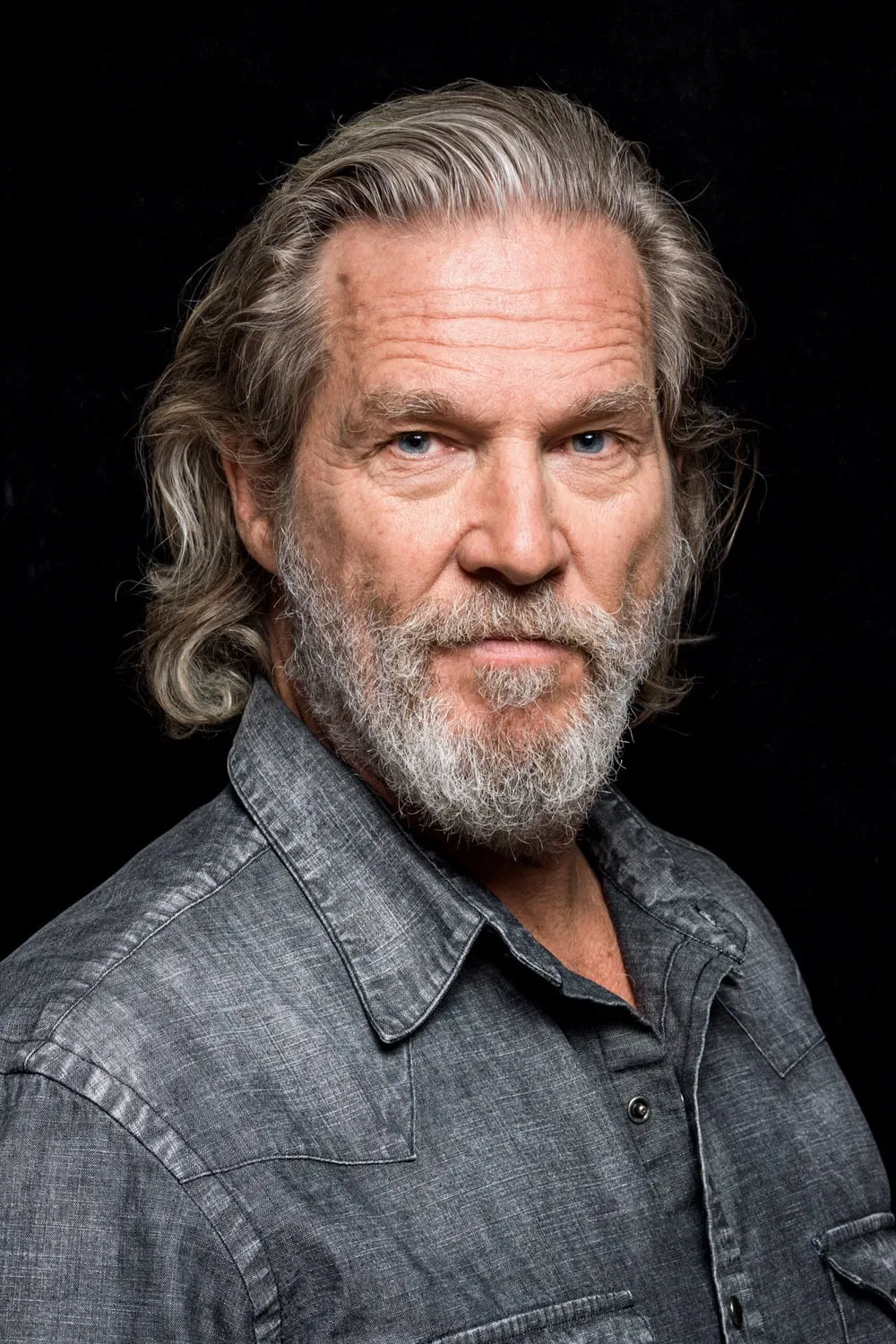
Jeff Bridges
Birthdate: Dec 4, 1949
Birthplace: Los Angeles, California, USA
Jeff Bridges (birth name: Jeffrey Leon Bridges) is one of the most durable, likable, and respected movie actors of his generation, with a robust and consistently interesting career spanning over seven decades, including six Oscar acting nominations and one Best Actor Oscar. Bridges first appeared before a movie camera as an infant in an uncredited role in The Company She Keeps (1951). Still, his true feature debut was in a major role in the Walter Mirisch-produced drama for United Artists, Halls of Anger (1970), starring Calvin Lockhart, Ed Asner, and Rob Reiner under Paul Bogart’s direction.
Then Bridges found himself co-starring with the formidable cast of James Mason, Jack MacGowran, Irene Tsu, Burgess Meredith, and Broderick Crawford in director/co-writer Meredith’s British-produced thriller, The Yin & Yang of Mr. Go (1970), featuring legendary Hong Kong filmmaker King Hu. Although the production ran out of money and never finished (Meredith claims in his autobiography that it was “hijacked” by his producers), the movie was released by National General Pictures in Southeast Asia under the title The Third Eye.
Bridges had his breakthrough role in a movie known for its bevy of career-making performances—and his first Oscar nomination for Best Supporting Actor—in Peter Bogdanovich’s superb Texas drama, The Last Picture Show (1971), based on co-screenwriter Larry McMurtry’s 1966 novel, starring Timothy Bottoms, Ellen Burstyn, Ben Johnson (Oscar winner for Best Supporting Actor), Cloris Leachman (Oscar winner for Best Supporting Actress), Cybill Shepherd, Eileen Brennan and Randy Quaid, earning eight total Oscar nominations (including Best Picture and Best Director) and grossing a fabulous (for its ultra-low budget) $29 million for Bert Schneider’s BBS Productions and distributor Columbia Pictures.
Bridges began a brilliant stretch run of movies for the next decade, next as co-star with Stacy Keach, Susan Tyrrell (Oscar nominated for Best Supporting Actress) and Candy Clark in director/producer John Huston’s tough boxing drama, Fat City (1972), based on screenwriter Leonard Gardner’s 1969 novel, and which premiered at the Cannes Film Festival and released by Columbia Pictures.
Jeff Bridges starred in his first Western, the striking “revisionist” tale Bad Company (1972), directed by Robert Benton (in his directorial debut) and co-written by Benton and David Newman, co-starring Barry Brown, with Jim Davis, David Huddleston, and John Savage, and released by Paramount Pictures. Bridges co-starred with Rod Steiger, Robert Ryan, Gary Busey, Season Hubley, Scott Wilson, and Randy Quaid in the drama, Lolly-Madonna (1973), based on co-screenwriter Sue Grafton’s 1969 novel, The Lolly-Madonna War, and distributed by MGM.
Bridges had his first name-above-the-title role portraying star NASCAR driver Junior Johnson in The Last American Hero (1973), based on a Tom Wolfe essay and featuring Valerie Perrine, Geraldine Fitzgerald, Ned Beatty, Gary Busey, and Ed Lauter under Lamont Johnson’s direction, and which was co-written and produced by William Roberts for 20th Century Fox. Bridges had by 1973 acted opposite several legendary actors, but he topped himself with his co-starring role as Don in the American Film Theatre production of Eugene O’Neill’s epic drama, The Iceman Cometh, adapted by screenwriter Thomas Quinn Curtiss and starring Lee Marvin, Frederic March, Robert Ryan, Bradford Dillman, Hildy Brooks, Moses Gunn and John McLiam under John Frankenheimer’s direction, and which was initially released in a 178-minute version, and later released in a four-hour director’s cut with two intermissions.
Jeff Bridges landed his second Oscar nomination (Best Supporting Actor) for his role in the first of two movies by director/writer Michael Cimino, Thunderbolt and Lightfoot (1974), starring Clint Eastwood, George Kennedy, Geoffrey Lewis, Catherine Bach, and Gary Busey, and grossing a strong $25 million for United Artists. Bridges then co-starred with Sam Waterston and Elizabeth Ashley in the neo-Western comedy, Rancho Deluxe (1975), written by Thomas McGuane, with Clifton James, Harry DeanStantonn and Slim Pickens under Frank Perry’s direction, and distributed by United Artists.
Bridges took on the starring role in another modern take on the Western, the 1930s Hollywood-set Hearts of the West (1975), co-starring Andy Griffith, Donald Pleasance, Blythe Danner and Alan Arkin, and released by United Artists (U.S./Canada)/Cinema International Corp. (International). Bridges starred in director/co-writer/co-producer Bob Rafelson’s fine comedy-drama about bodybuilders, Stay Hungry (1976), adapted by screenwriter Charles Gaines’ 1972 novel, and co-starring Sally Field and Arnold Schwarzenegger, produced by BBS Productions and earning a robust $25 million for distributor United Artists.
Jeff Bridges starred in his first blockbuster movie, producer Dino De Laurentiis’s remake of the 1933 King Kong (1976), with Charles Grodin, Jessica Lange, Rene Auberjonois, John Randolph, Ed Lauter, and John Lone under John Guillermin’s direction, and released to good box office (nearly $91 million) by Paramount Pictures. Bridges reunited with director Lamont Johnson for the comedy-mystery, Somebody Killed Her Husband (1978), written by Reginald Rose and starring Farrah Fawcett-Majors (then credited as Farrah Fawcett), with John Wood, Tammy Grimes, and John Glover, produced by Melvin Simon and released by Columbia Pictures.
Bridges made a dazzling starring turn in director/writer William Richert’s brilliant, unjustly overlooked paranoid comedy adapted from Richard Condon’s 1974 novel, Winter Kills (1979), featuring one of the most dazzling casts of ‘70s American movies including no less than John Huston, Anthony Perkins, Eli Wallach, Sterling Hayden, Dorothy Malone, Tomas Millian, Belinda Bauer, Ralph Meeker, Toshiro Mifune, Richard Boone, Elizabeth Taylor and future U.S. Senator John Warner as the President of United States, and though funded with money made by producers and drug smugglers Leonard Goldberg (murdered just before the premiere) and Robert Sterling (later sentenced to a 40-year drug smuggling sentence) and halted for violating union roles, Richert later resumed filming with Bridges, for a final version released by AVCO Embassy Pictures.
Bridges continued with filmmaker Richert on his next terrific movie (made during the pause of the Winter Kills production), The American Success Company (1980) (later re-released twice in two different edited versions by Richert—first, American Success (1981), and then as Success (1983) with a new voiceover track), written by Larry Cohen, and co-starring Bianca Jagger, Ned Beatty and Belinda Bauer, and distributed by Columbia Pictures.
Jeff Bridges then co-starred in another wildly troubled production, one of the most legendary, debated and misunderstood Westerns ever made, and marking his reunion with filmmaker Michael Cimino: the magnificently mounted epic about 1880s Wyoming, Heaven’s Gate (1980), starring Kris Kristofferson, Christopher Walken, John Hurt, Sam Waterston, Brad Dourif, Isabelle Dourif and Joseph Cotton, and though its disastrous initial $3.5 million box office (against a reported though always unconfirmed $44 million budget) sank United Artists as an independent studio, the movie has undergone a massive reversal of status from universally condemned to one now regarded by some as a masterwork. Bridges delivered one of his finest performances to date in the superb Ivan Passer-directed drama, Cutter’s Way (1981), adapted from Newton Thornburg’s 1976 novel Cutter and Bone by Jeffrey Alan Fiskin, co-starring John Heard, Lisa Eichhorn, and Ann Dusenberry, and released to a $1.7 million box office by United Artists.
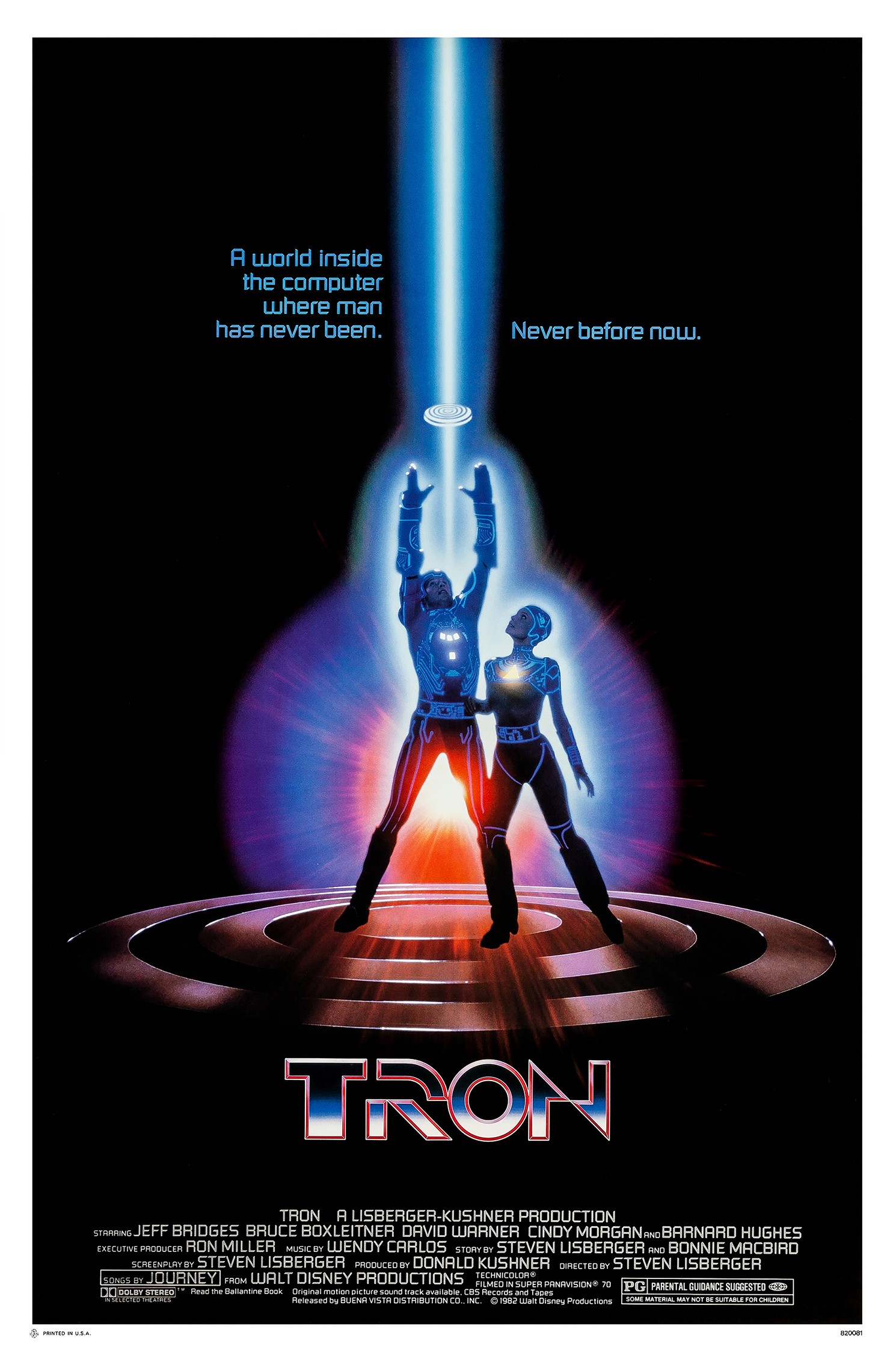
Bridges starred in his first sci-fi movie, Disney’s first movie using CGI, Tron (1982), directed and written by Steven Lisberger, with Bruce Boxleitner, David Warner, Cindy Morgan, and Barnard Hugh, es and grossing $50 million and launching a franchise for Disney. Bridges co-starred with Sally Field and James Caan in director/producer Robert Mulligan’s poorly received rom-com Kiss Me Goodbye (1982), based on Bruno Barreto’s Brazilian film version of Jorge Amado’s 1966 novel Dona Flor and Her Two Husbands, and released by 20th Century Fox.
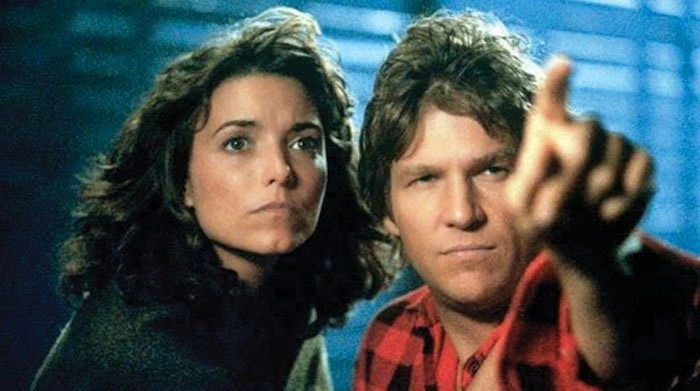
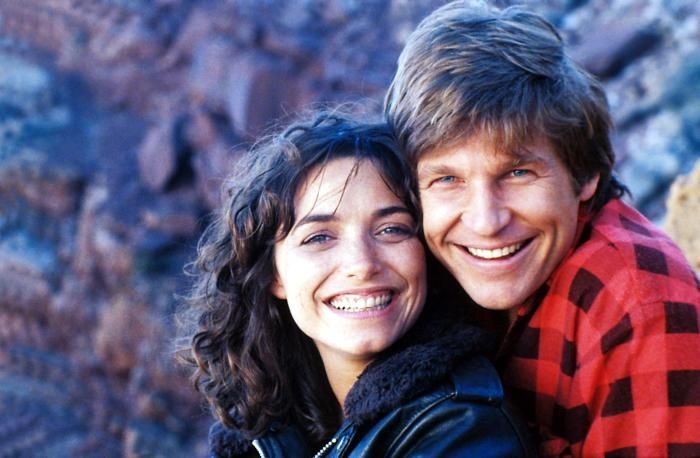
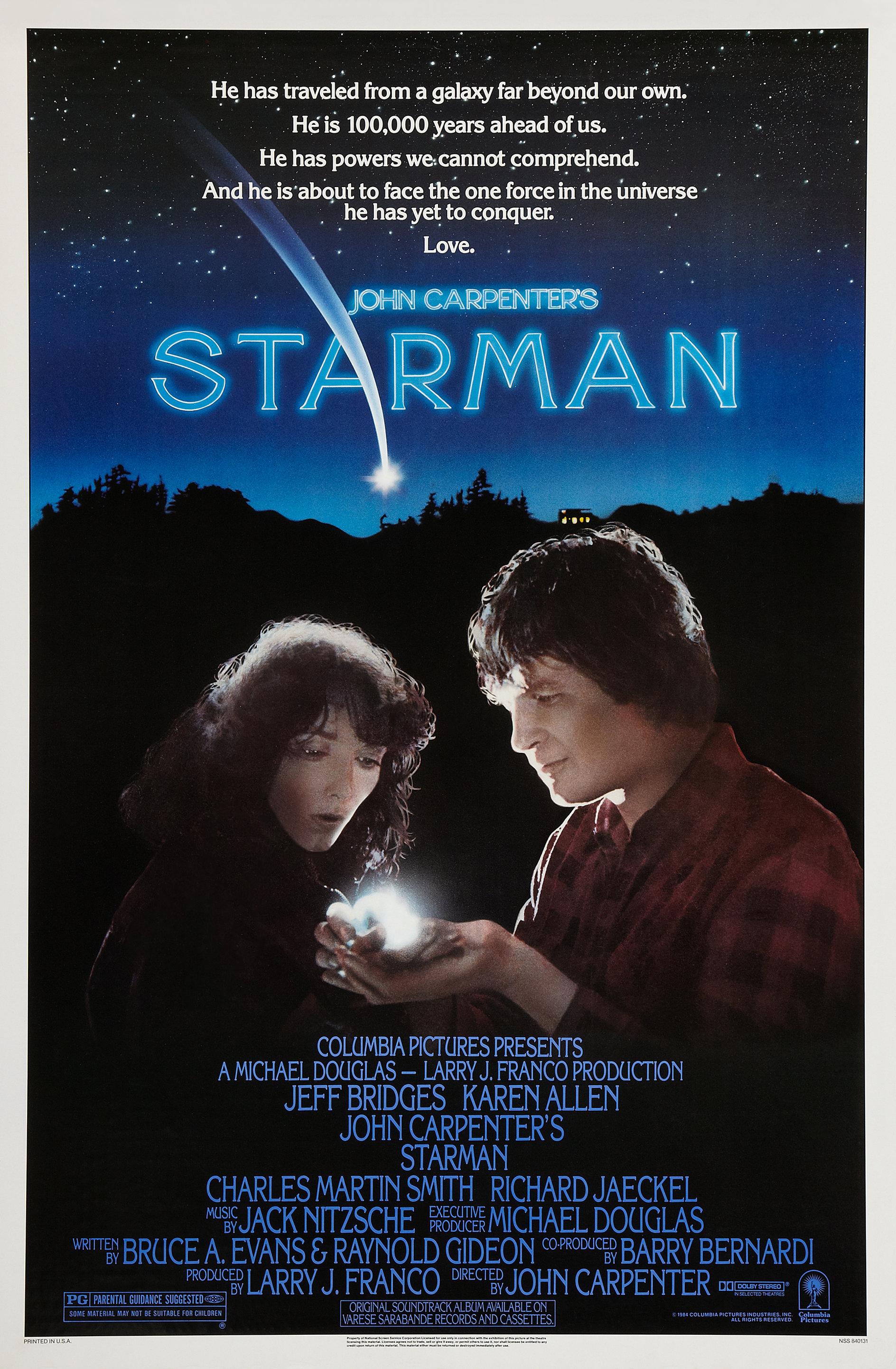
Jeff Bridges gained fresh fans and another Oscar nomination for his role as a friendly alien visiting Earth in the John Carpenter-directed sci-fi romance, Starman (1984), co-starring Karen Allen and with Charles Martin Smith and Richard Jaeckel, produced by Industrial Light & Magic and distributed by Columbia Pictures. Bridges starred opposite Glenn Close in the legal thriller Jagged Edge (1985), written by Joe Eszterhas, with Peter Coyote and Oscar-nominated Robert Loggia, and grossing over $40 million for Columbia Pictures.
Bridges starred with Rosanna Arquette in the final film directed by Hal Ashby, 8 Million Ways to Die (1986), adapted by screenwriters Oliver Stone and R. Lance Hill (plus an uncredited Robert Towne) from Lawrence Block’s 1982 novel, with Alexandra Paul, Randy Brooks, and Andy Garcia, but proving a commercial bomb for Tri-Star Pictures and Producers Sales Organization. Bridges shared the above-the-title billing with Jane Fonda (who was nominated for a Best Actress Oscar) for the Sidney Lumet-directed thriller, The Morning After (1986), with Raúl Julia, and delivered $25 million box office for 20th Century Fox.
Jeff Bridges reunited with director/writer Robert Benton for the crime comedy, Nadine (1987), co-starring Kim Basinger, Rip Torn, Gwen Verdon, Glenne Headly, Jay Patterson and Jerry Stiller, and grossing a poor $5.6 million for TriStar Pictures, and then Bridges starred in one of his flashiest starring roles in the 1980s under Francis Ford Coppola’s direction in the title role of the biopic Tucker: The Man and His Dream (1988), co-starring Joan Allen, Martin Landau, Frederic Forrest, Mako, Elias Koteas, Christian Slater and Dean Stockwell, produced by Lucasfilm Ltd./American Zoetrope Studios and losing money for distributor Paramount Pictures.
Bridges co-starred with Alice Krige and Farrah Fawcett-Majors in director/writer/producer Alan J. Pakula’s romantic comedy-drama, See You in the Morning (1989), co-starring Drew Barrymore, Lukas Haas, David Dukes, Frances Sternhagen, George Hearn, Theodore Bikel, nd Linda Lavin, and grossing $4.7 million for producer Lorimar Productions and distributor Warner Bros. Pictures. Bridges shared the starring bill for the first time with brother Beau in director/writer Steve Kloves’s comedy-drama, The Fabulous Baker Boys (1989), though the movie was stolen by co-star Michelle Pfeiffer (Oscar nominated for Best Actress, one of the movie’s four nominations) in a career-making turn, though it only grossed $18.4 million for 20th Century Fox.
Jeff Bridges revived his role as Duane in director/writer/producer Peter Bogdanovich’s Texasville (1990), the sequel to The Last Picture Show based on Larry McMurtry’s follow-up 1987 novel, co-starring Cybill Shepherd, Annie Potts, Cloris Leachman, Randy Quaid, Timothy Bottoms, Eileen Brennan and William McNamara, grossing a poor $2.3 million for distributor Columbia Pictures. Bridges enjoyed one of his better commercial hits during this period in his co-starring role with Oscar-nominated Robin Williams in the Terry Gilliam-directed fantasy comedy-drama, The Fisher King (1991), written by Richard LaGravenese, and co-starring Amanda Plummer, Mercedes Ruehl (winning the Oscar for Best Supporting Actress), David Hyde Pierce, Lara Harris, Harry Shearer, Kathy Najimy and Tom Waits, produced by Debra Hill and Lynda Obst and grossing a strong $72.4 million for Tri-Star Pictures.
Bridges ventured away from the studio world to be a star-producer and was acclaimed by New York Times film critic Janet Maslin “as the most underappreciated great actor of his generation” for his deep lead performance in debuting director/co-writer Martin Bell’s fine indie drama, American Heart (1992), co-written by Peter Silverman and Mary Ellen Mark, with Edward Furlong and Lucinda Janney and launching at the Toronto Film Festival before a limited release by Triton Pictures. Bridges took on his first bad-guy starring role in Dutch director George Sluizer’s chilling English-language remake of his French-Dutch psychological horror-thriller masterpiece, The Vanishing (1993), co-starring Kiefer Sutherland, Nancy Travis, Sandra Bullock, Lisa Eichhorn, and George Hearn, and released to a $14.5 million return by 20th Century Fox.
Jeff Bridges delivered one of his career-best performances as the lead in the Peter Weir-directed drama written by Rafael Yglesias from his 1991 novel, Fearless (1993), co-starring Isabella Rossellini, Rosie Perez (Oscar-nominated for Best Supporting Actress), Tom Hulce, and John Turturro, premiering at the Berlin Film Festival and released by Warner Bros. Pictures to a $7 million gross. Bridges co-starred with Tommy Lee Jones and appeared with his father Lloyd in MGM’s thriller, Blown Away (1994), with Forest Whitaker and Suzy Amis under Stephen Hopkins’ direction, and delivered modest box office results for distributors MGM/UA Distribution (U.S.)/United International Pictures (International).
Bridges starred in another excellent United Artists-backed Western that was a spectacular box office bomb, beautifully portraying the legendary Wild Bill Hickok in director/writer Walter Hill’s underappreciated Wild Bill (1995), based on both Thomas Babe’s 1978 play, Fathers and Sons, and Pete Dexter’s 1986 novel, Deadwood, co-starring Ellen Barkin, John Hurt, Diane Lane, Keith Carradine, Christina Applegate, Bruce Dern, James Gammon and David Arquette, released to a disastrous $2.1 million gross (based on estimated $30 million costs) for producer The Zanuck Company and distributors MGM/UA Distribution (U.S.)/United International Pictures (International).
Bridges starred in another fine, commercially disappointing movie from a major director (in this case, Ridley Scott), White Squall (1996), adapted by Todd Robinson from Charles Gang’s non-fiction saga, The Last Voyage of the Albatross, with Caroline Goodall, John Savage, Scott Wolf, Jeremy Sisto, Ryan Philippe and Balthazar Getty, returning only $10.3 million to producers Hollywood Pictures/Largo Entertainment/Scott Free Productions and distributors Buena Vista Pictures Distribution ((U.S./Canada)/Largo Entertainment (International) on an estimated budget of $38 million.
Jeff Bridges shared top billing with star/director/producer Barbra Streisand in her comedy-drama, The Mirror Has Two Faces (1996), loosely adapted by Richard LaGravenese from Andre Cayatte’s and Gerard Oury’s 1958 film, Le Miroir à deux faces (1958), with Pierce Brosnan, George Segal, Mimi Rogers, Brenda Vaccaro and Lauren Bacall (nominated for the Best Supporting Actress Oscar), grossing a solid $82 million for TriStar Pictures/Sony.
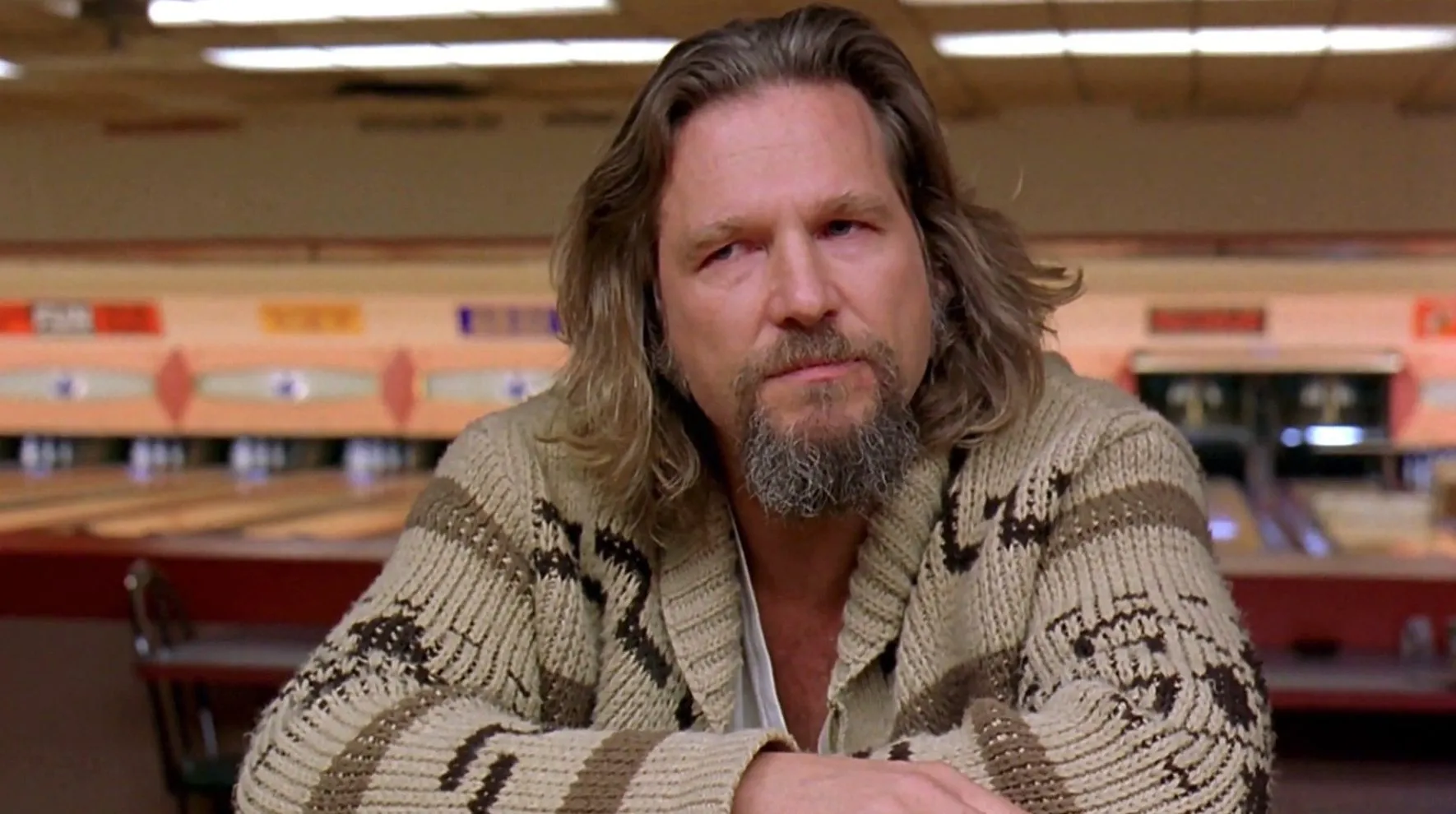
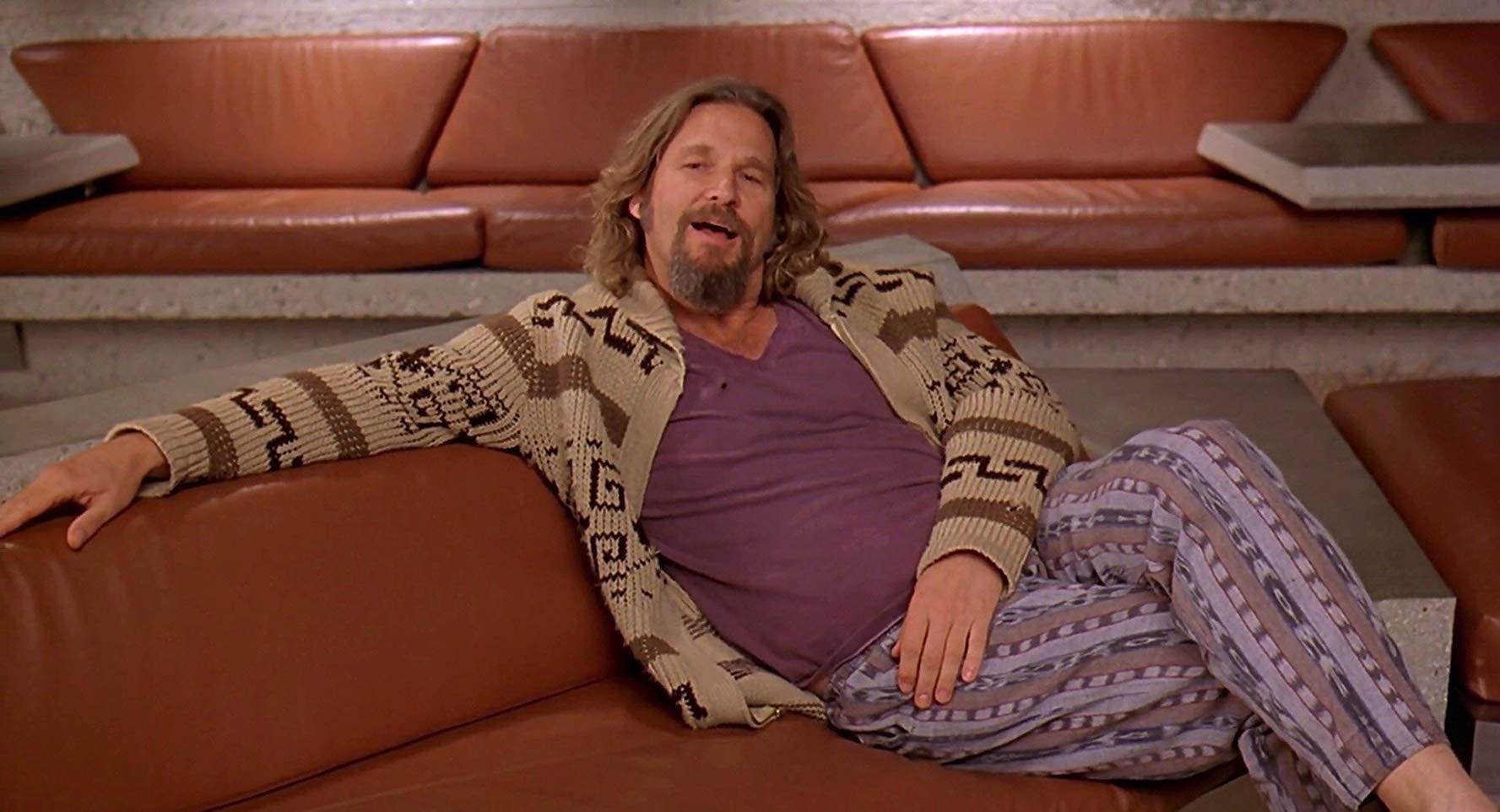
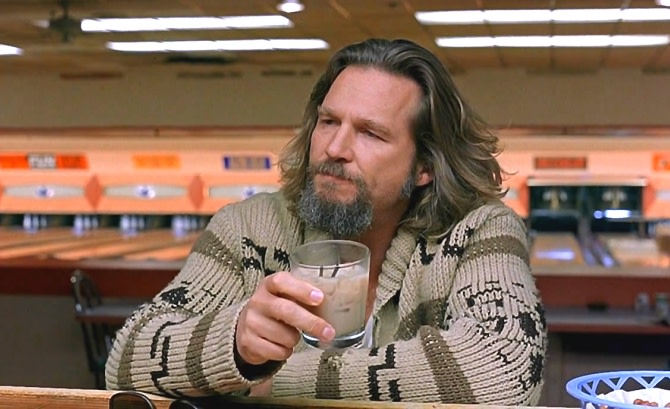
Bridges landed perhaps his most iconic role as The Dude in the title role of Joel and Ethan Coen’s beloved comedy, The Big Lebowski (1998), co-starring John Goodman, Julianne Moore, Steve Buscemi, David Huddleston, John Turturro, Philip Seymour Hoffman, Tara Reid, Sam Elliott, David Thewlis, Ben Gazzara and Peter Stormare, produced by Working Title Films and released by Gramercy Films (U.S., Canada)/PolyGram Filmed Entertainment (International) to a fine $48.3 million return after premiering at the Sundance Film Festival.
Bridges starred opposite Tim Robbins and Joan Cusack in the Mark Pellington-directed thriller, Arlington Place (1999), with Hope Davis and Robert Gossett, and written by Ehren Kruger, grossing $41 million for distributors Screen Gems/Sony Pictures Releasing (U.S.) and PolyGram Filmed Entertainment (U.K.). Bridges joined director/co-writer/star Albert Brooks for the comedy, The Muse (1999), co-starring Sharon Stone and Andie MacDowell, with Bradley Whitford, Steven Wright, Jennifer Tilly, Rob Reiner, Wolfgang Puck, James Cameron, Martin Scorsese and Lorenzo Lamas, and featuring a rare movie score by Elton John, grossing under $12 million for distributor October Films (through USA Films).
Jeff Bridges continued co-starring with Sharon Stone, as well as Nick Nolte, in director/co-writer Matthew Warchus’s crime drama based on Sam Shepard’s 1994 play, Simpatico (1999), co-written by David Nicholls, with Catherine Keener, Albert Finney and Shawn Hatosy, premiering at the Toronto Film Festival and earning a weak $1.3 million for Fine Line Features (U.S.)/BAC Films (France). Bridges earned a Best Supporting Actor Oscar for his turn as the U.S. President in director/writer Rod Lurie’s political drama, The Contender (2000), starring Gary Oldman, Joan Allen, and Christian Slater, and which was released by DreamWorks Pictures for a $22.4 million gross.
Bridges co-starred with Kevin Spacey in Universal Pictures’ mystery, K-PAX (2001), adapted by Charles Leavitt from Gene Brewer’s 1995 novel and directed by Iain Softley, with Mary McCormack, Alfre Woodard, David Patrick Kelly, Saul Williams, Peter Gerety, and Ajay Naidu, produced by Intermedia Films/Lawrence Gordon Productions and grossing a disappointing $65 million. Bridges narrated his first non-fiction film, Keith Fulton’s and Louis Pepe’s Lost in La Mancha (2002), about the making of his Fisher King director Terry Gilliam’s The Man Who Killed Don Quixote (released in 2018), and released by IFC Films, and then Bridges joined director Larry Charles as co-star of the quirky Bob Dylan-written Masked and Anonymous (2003), starring Dylan (who also wrote the score), John Goodman, Penelope Cruz, Val Kilmer, Mickey Rourke, Jessica Lange, Luke Wilson, Angela Bassett, Bruce Dern, Cheech Marin, Ed Harris, Chris Penn, Steven Bauer, Giovanni Ribisi and Christian Slater, produced by BBC Films and released by Sony Pictures Classics.
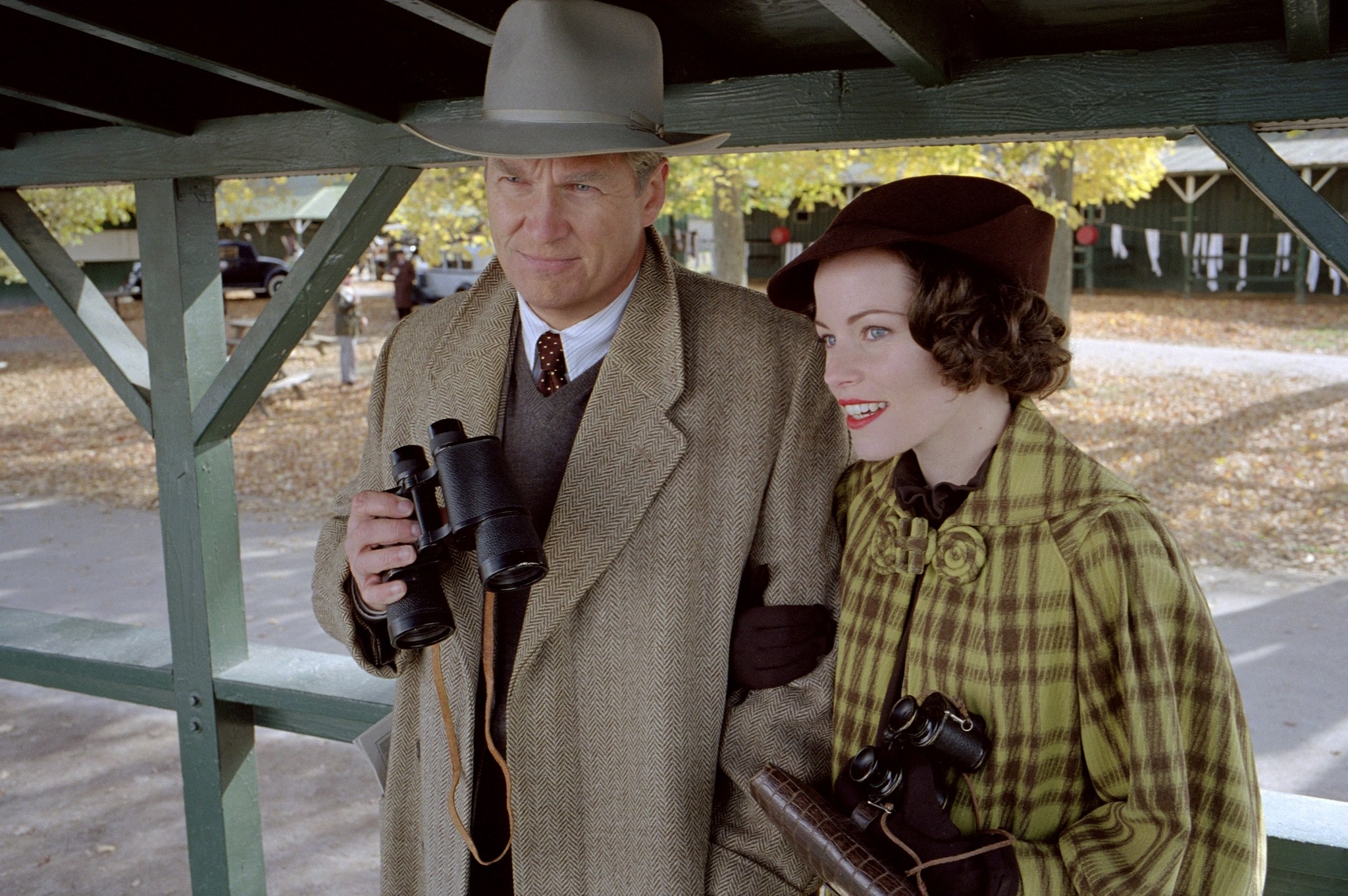
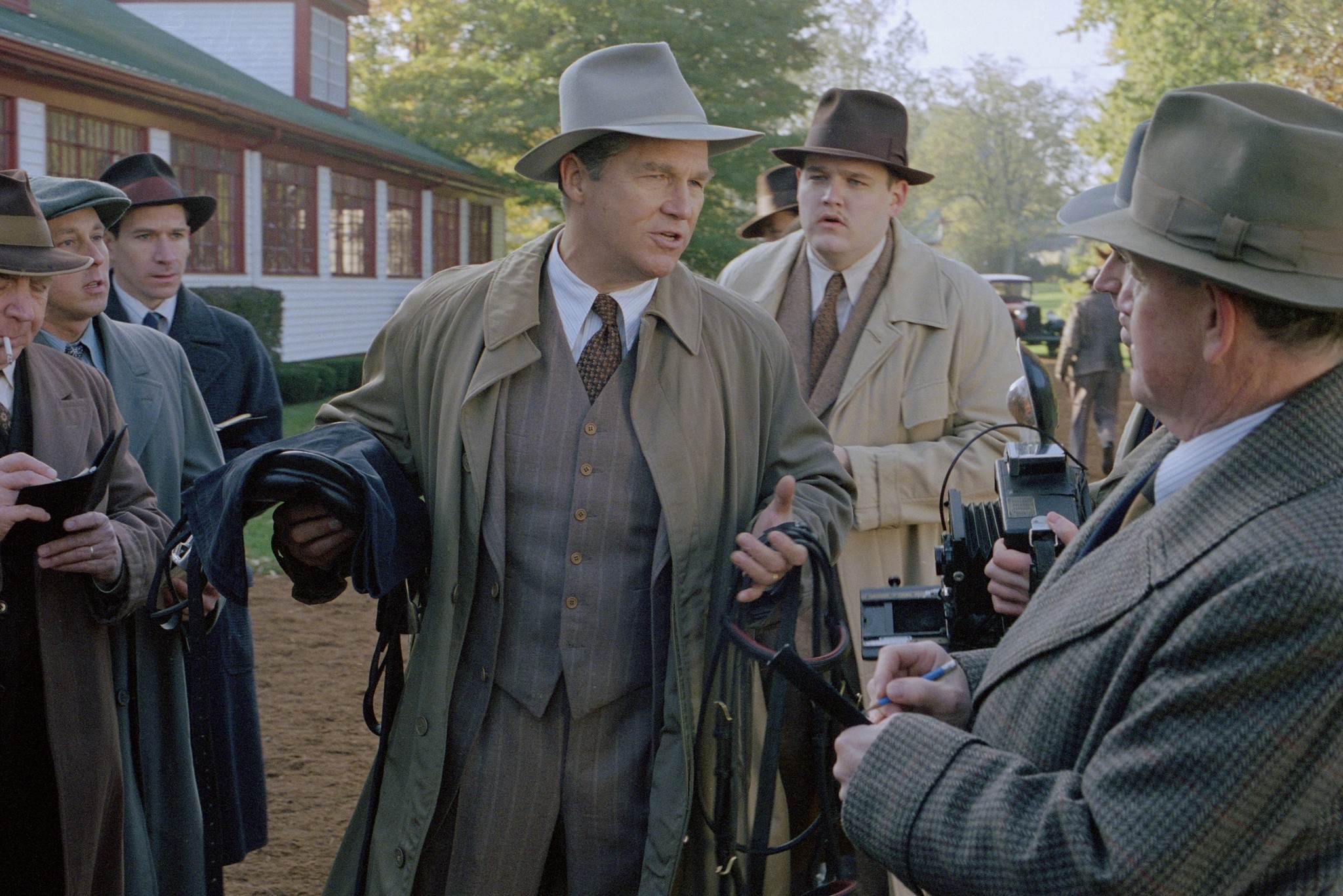
Jeff Bridges co-starred with Tobey Maguire and Chris Cooper in director/writer/producer Gary Ross’ horse racing drama, Seabiscuit (2003), based on Laura Hillenbrand’s 1999 best-selling Seabiscuit: An American Legend, with Elizabeth Banks, Gary Stevens and William H. Macy, and which was nominated for seven Oscars (including Best Picture, but losing all seven) while grossing over $148 million for distributor Universal Pictures. Bridges received high acclaim (Rolling Stone critic Peter Travers declaring him, “one of the best actors on the planet”) for his lead performance in director/writer Tod Williams’ Door in the Floor (2004), screen version of the first third of John Irving’s 1998 novel A Widow for One Year, produced by Anne Carey, Michael Corrente and Ted Hope, co-starring Kim Basinger and with a supporting cast including Jon Foster, Bijou Phillips, Elle Fanning and Mimi Rogers, and released by Focus Features.
Bridges led the ensemble of director/writer Michael Traeger’s indie comedy, The Amateurs (2005), with Tim Blake Nelson, Joe Pantoliano, William Fichtner, Ted Danson, Patrick Fugit, Lauren Graham and Jeanne Tripplehorn, and released in limited pattern to poor reviews by First Look Studios, and then Bridges reunited with director/co-writer Terry Gilliam for a supporting role in the dark fantasy based on Mitch Cullin’s 1998 novel, Tideland (2005), co-written by Tony Grisoni and co-produced by Jeremy Thomas, and featuring Jodelle Ferland, Brendan Fletcher, Janet McTeer and Jennifer Tilly, premiering at the Toronto Film Festival and released to little business in the U.S. by THINKFilm. Bridges starred in director/writer Jessica Bendinger’s high school comedy, Stick It (2006), starring Missy Peregrym, Vanessa Lengies, Jon Gries, Gia Carid, and Julie Warner, produced via Touchstone Pictures/Spyglass Entertainment and grossing $32 million for Disney/Buena Vista Pictures Distribution.
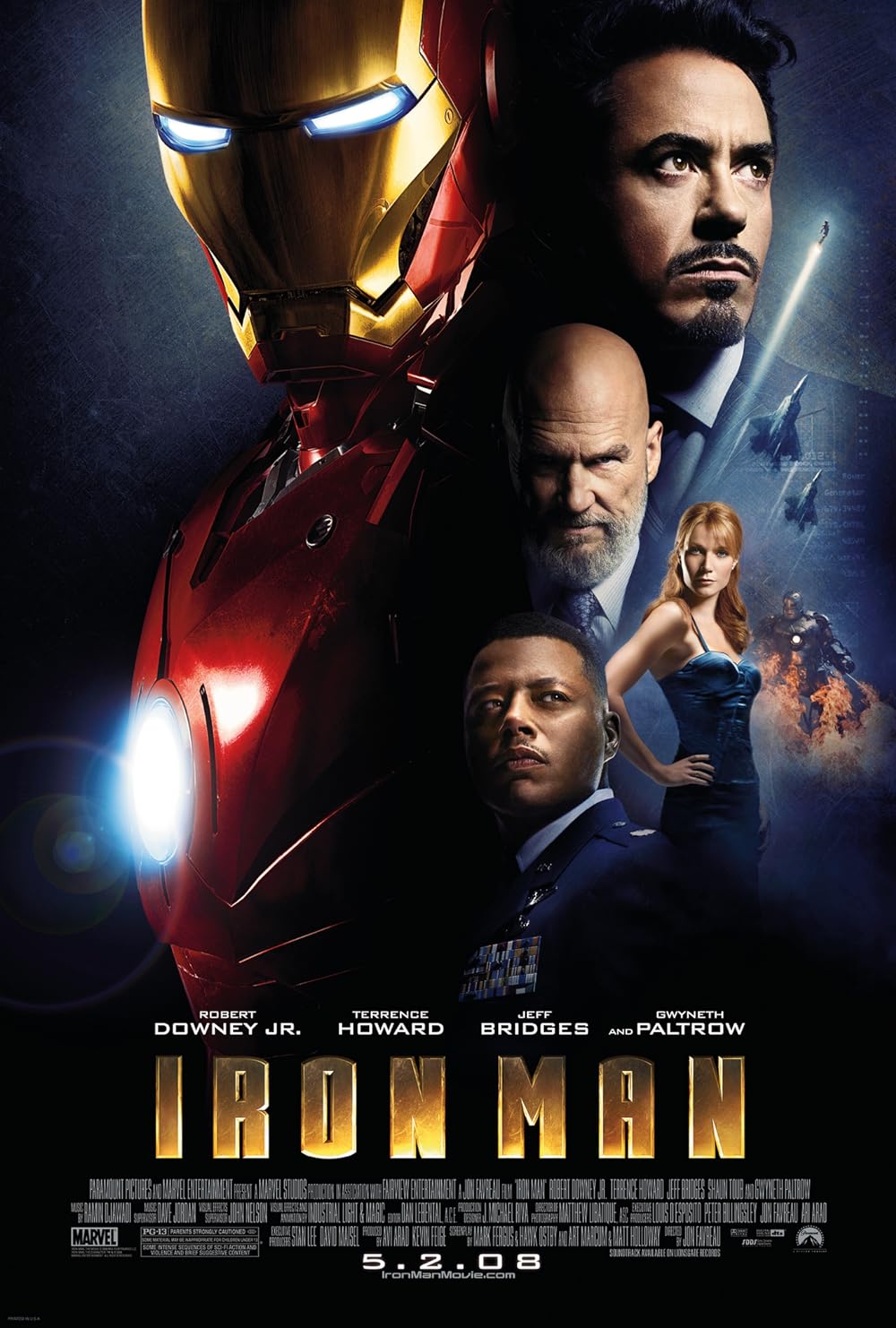
Jeff Bridges did his first animated feature voice performance as a surfing penguin in Sony Pictures Animation’s Surf’s Up (2007), from co-directors/co-writers Ash Brannon and Chris Buck and co-writer/producer Chris Jenkins, and co-starring the voices of Shia LaBeouf, Zooey Deschanel, Jon Heder, James Woods, and earning $152 million for Columbia Pictures/Sony Pictures Releasing, and receiving a Best Animated Feature Oscar nomination. Bridges joined the Marvel Cinematic Universe in its first feature and portraying the first MCU Bad Guy as Obadiah Stone/Iron Monger in Iron Man (2008), starring Robert Downey Jr., Terrence Howard, Gwyneth Paltrow, Leslie Bibb, Shaun Toub under Jon Favreau’s direction, and delivering a knockout $586 million gross for Marvel Studios/Paramount Pictures, spawning a raft of sequels.
Bridges joined the ensemble of the fictionalized comedy version of Toby Young’s 2001 memoir, How to Lose Friends & Alienate People (2008), directed by Robert Weide and written by Peter Straughan, produced with funding from the U.K., Cayman Islands, Ireland and the U.S., starring Simon Pegg, Kirsten Dunst, Danny Huston, Gillian Anderson, Megan Fox and Max Minghella, and grossing over $19 million for several distributors including MGM in the U.S. Bridges then co-starred with Justin Timberlake in director/writer/producer Michael Meredith’s indie comedy-drama, The Open Road (2009), executive produced by Wim Wenders and with a colorful cast including Kate Mara, Mary Steenburgen, Lyle Lovett, Harry Dean Stanton and Ted Danson, and released in limited pattern by Anchor Bay Entertainment.
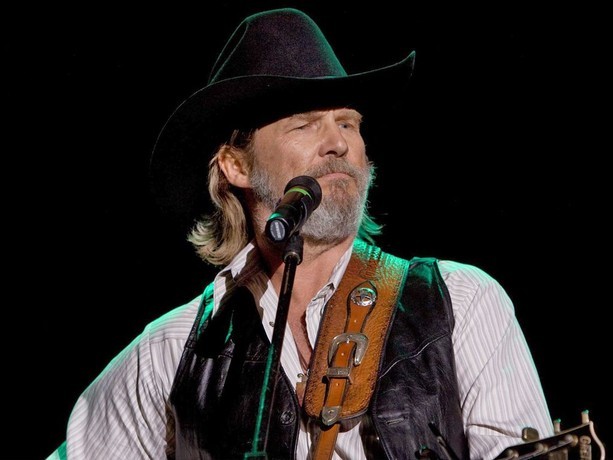
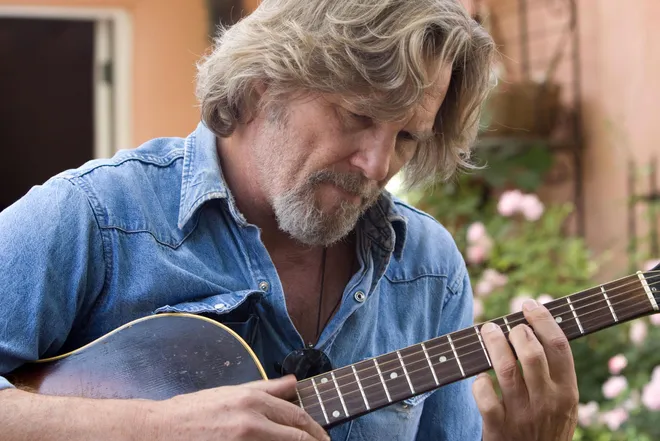
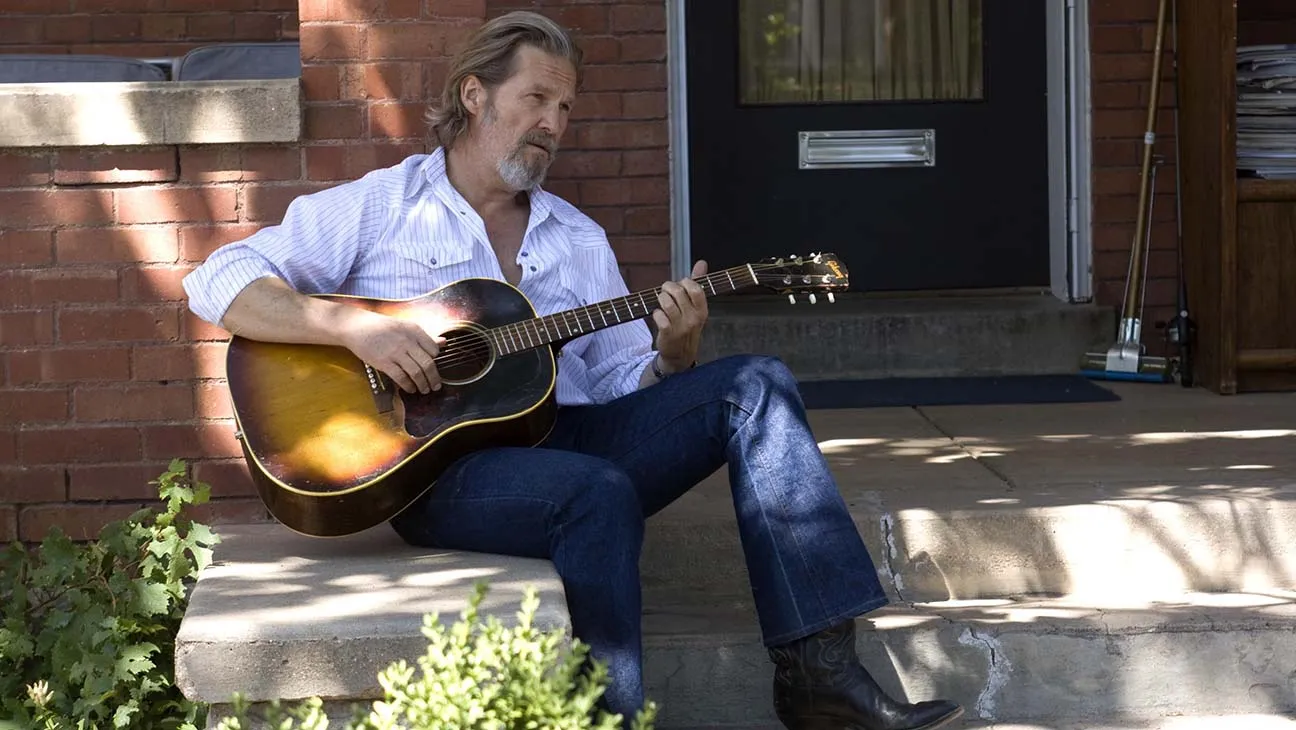
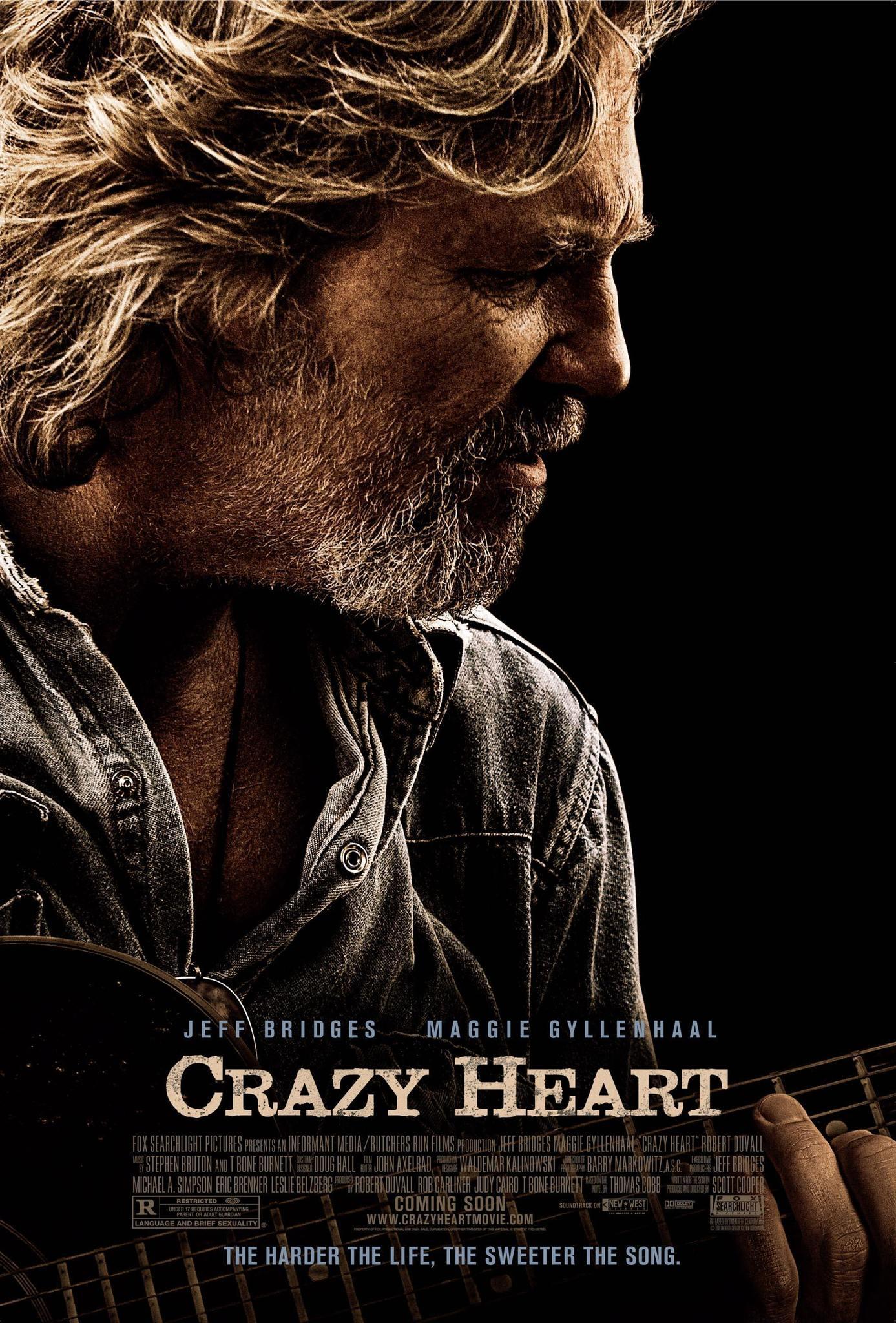
Jeff Bridges, enjoying renewed acclaim and success, finally won the Oscar for Best Actor for one of his finest performances as a struggling country singer in director/writer Scott Cooper’s fine debut, Crazy Heart (2009), based on Thomas Cobb’s 1987 novel, executive produced by Bridges, produced by co-star Robert Duvall and the film’s composer T Bone Burnett (winner of the Best Song Oscar), and featuring Oscar-nominated Maggie Gyllenhaal and Colin Farrell, and earning a fabulous $47.4 million for Fox Searchlight (which purchased the movie for theatrical release from Paramount Vantage, which had planned a direct-to-video release). Bridges joined the vivid ensemble of George Clooney (who also produced), Ewan McGregor, Kevin Spacey, Robert Patrick, Stephen Lang, Stephen Root and Nick Offerman in director/producer Grant Heslov’s dark satire, The Men Who Stare at Goats (2009), adapted by Peter Straghan from Jon Ronson’s non-fiction book of the same title, and which premiered at the Venice Film Festival before grossing an excellent $69 million for Overture Films (U.S.)/Momentum Pictures (U.K.).
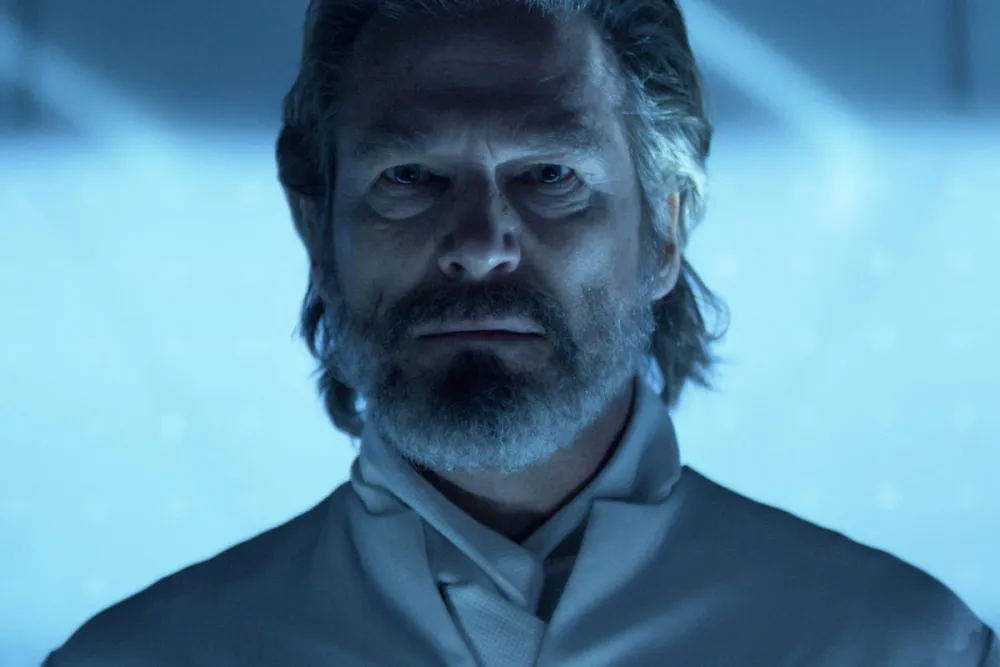
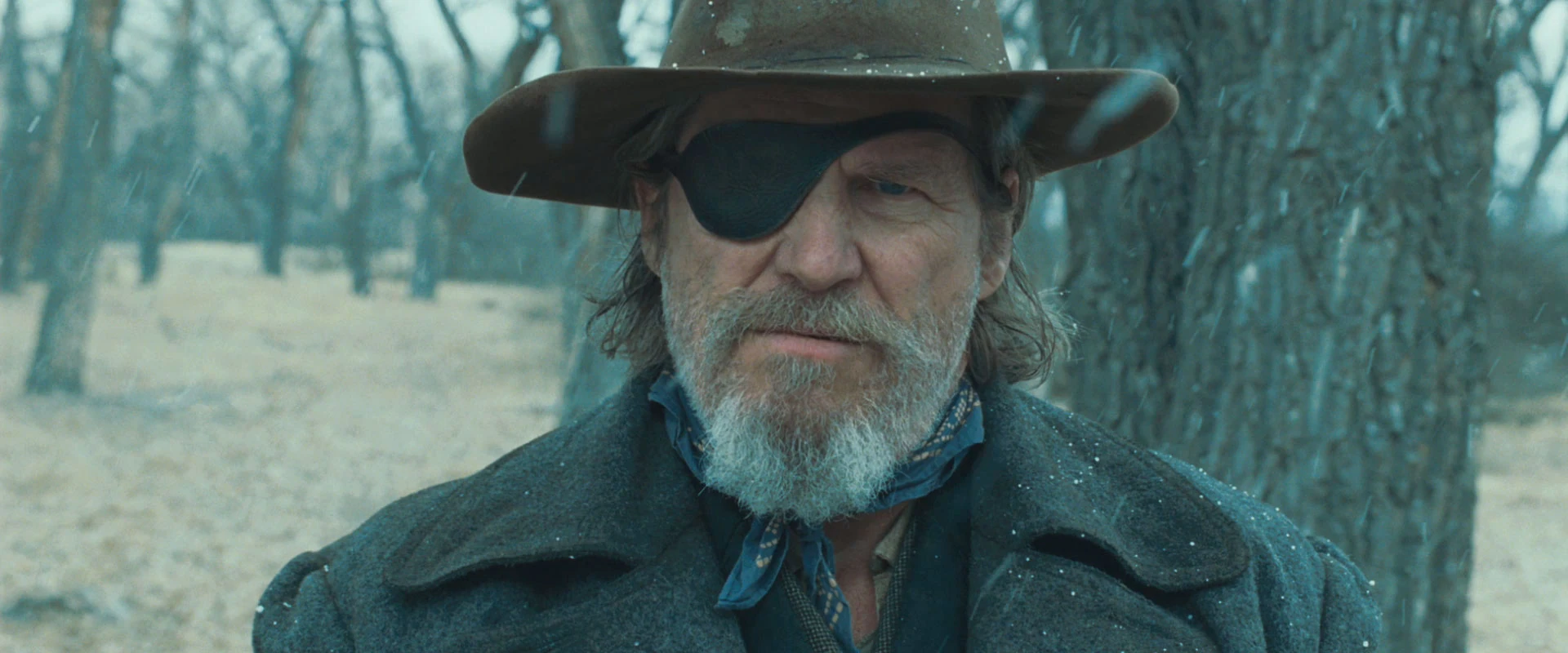
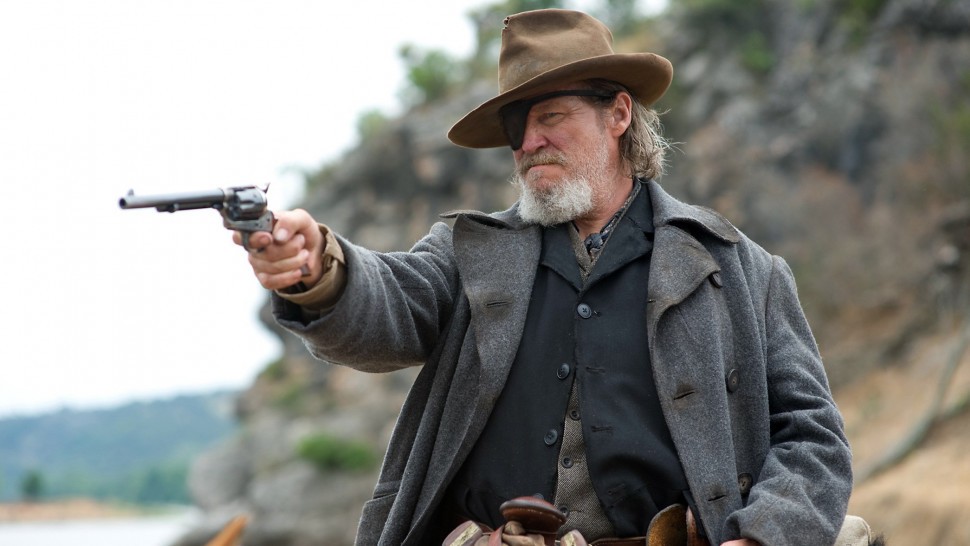
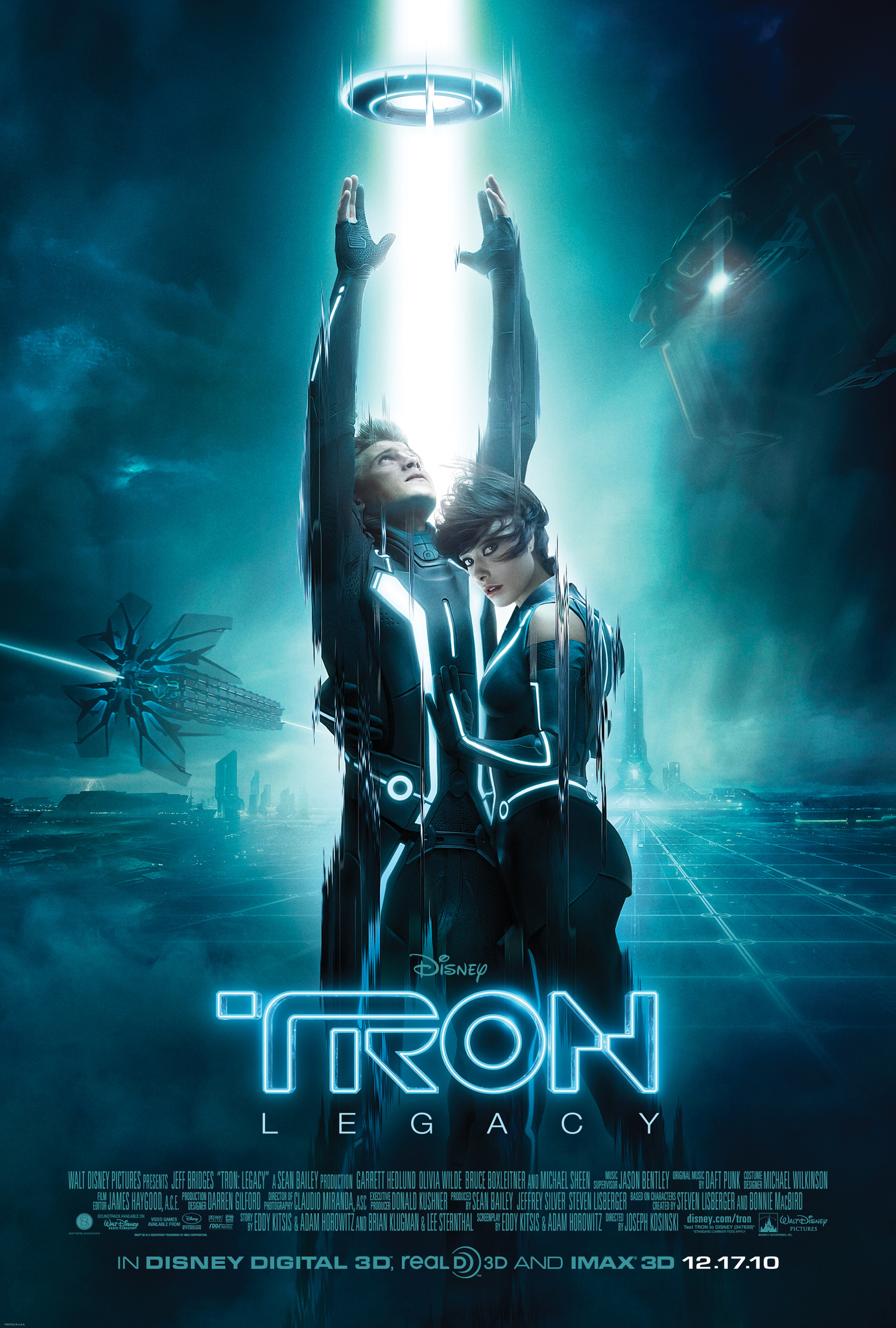
Bridges managed to eclipse the great John Wayne portrayal of Rooster Cogburn (which won Wayne the Oscar, though not Bridges, who was nominated) in the Coen Brothers’ masterful (and far more faithful) adaptation of Charles Portis’s classic 1968 Western novel, True Grit (2010), co-starring Matt Damon, Josh Brolin, Hailee Steinfeld and Barry Pepper, and producing hit box office numbers for Paramount Pictures ($252.3 million). Bridges returned to the world of Tron with Disney’s Tron: Legacy (2010), co-starring Garrett Hedlund, Olivia Wilde, Bruce Boxleit, ner and Michael Sheen under Joseph Kosinski’s direction, produced with Disney by Sean Bailey Productions, and delivering a strong gross of $410 million worldwide.
Jeff Bridges made an appearance and also narrated for directors Kristi Jacobson and Lori Silverbush’s documentary about hunger in the U.S., A Place at the Table (2012), with British social justice writer Raj Patel and chef Tom Colicchio, produced by Participant Media and released by Magnolia Pictures after premiering at the Sundance Film Festival. Bridges co-starred with Ryan Reynolds in the widely derided supernatural buddy-cop movie based on the 1999 Peter M. Lenkov comic book, R.I.P.D. (2013), with Kevin Bacon, Mary-Louise Parker, and Stephanie Szostak under Robert Schwentke’s direction, and grossing a poor $78.3 million (based on estimated costs).
Bridges starred in the title role and produced the dystopian drama based on Lois Lowry’s enduring young adult novel (which he had tried to do since the mid-1990s), The Giver (2014), co-starring Meryl Streep, Brenton Thwaites, Alexander Skarsgard, Odeya Rush, Katie Holmes and Taylor Swift under Philip Noyce’s direction, and returning a fine $67 million for producer Walden Media and distributor The Weinstein Company.
Bridges co-starred in the troubled production directed by Sergei Bodrov, the action fantasy movie Seventh Son (2014), with Julianne Moore, Djimon Hounsou, Ben Barnes, Alicia Vikander, Kit Harington and Olivia Williams, and a commercial and artistic dud for Universal Pictures, and then Bridges voiced the role of the Aviator in the English-language version of the successful French animated adaptation of Antoine de Saint-Exupery’s classic novella, Le Petit Prince (2015), with the voices of Rachel McAdams, Paul Rudd, Bud Cort, Marion Cotillard, Benicio del Toro, James Franco, Ricky Gervais, Paul Giamatti, Riley Osborne and Albert Brooks under Mark Osborne’s direction, produced at ON Animation Studio and Orange Studio and released by Paramount Pictures to a $97.6 million gross after premiering out of competition at the Cannes Film Festival.
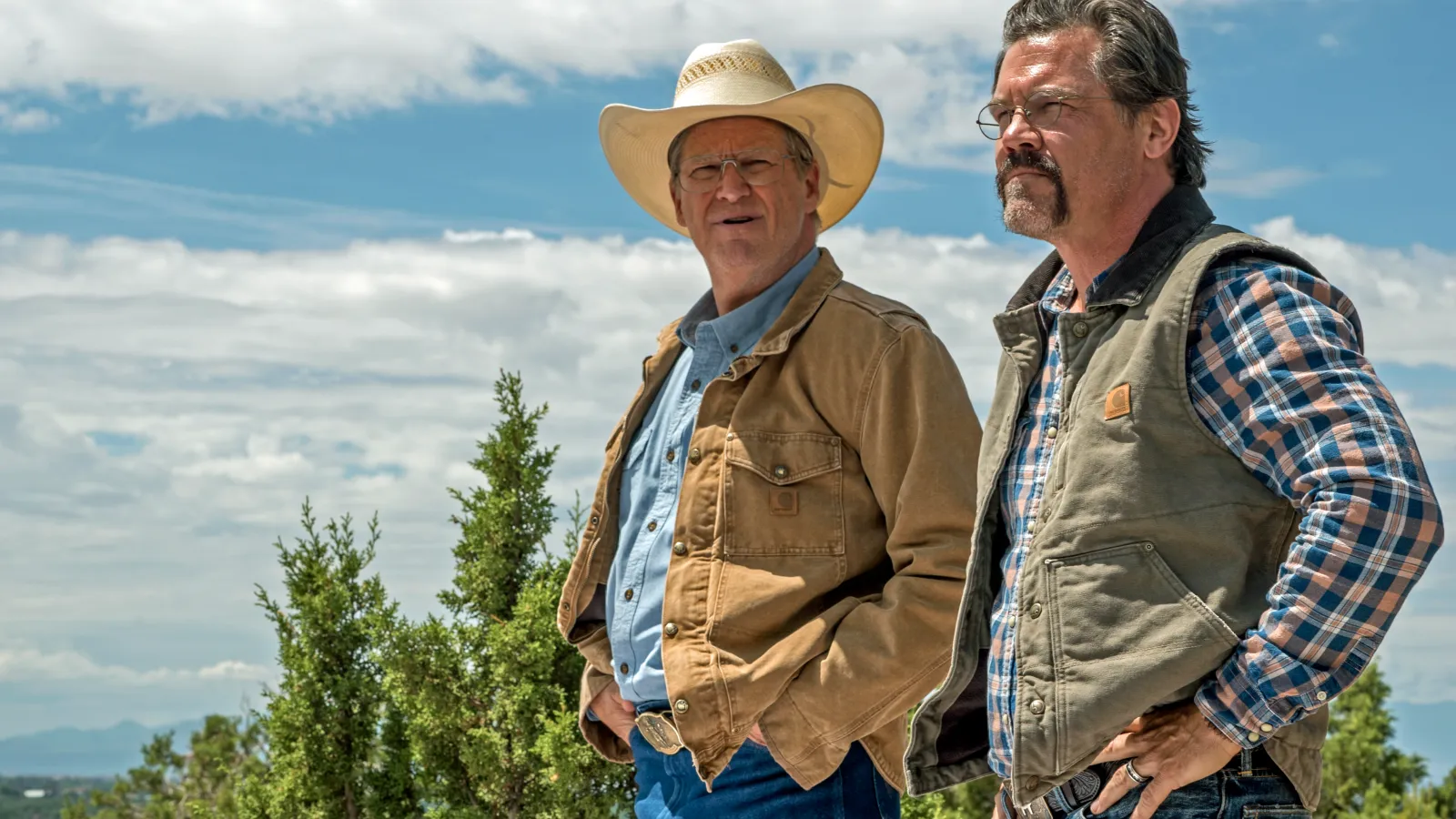
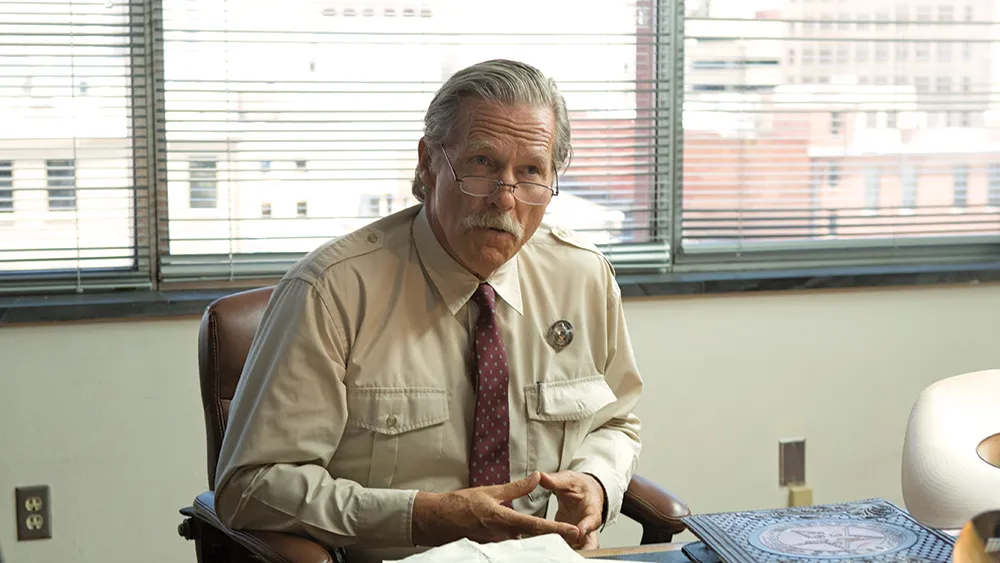
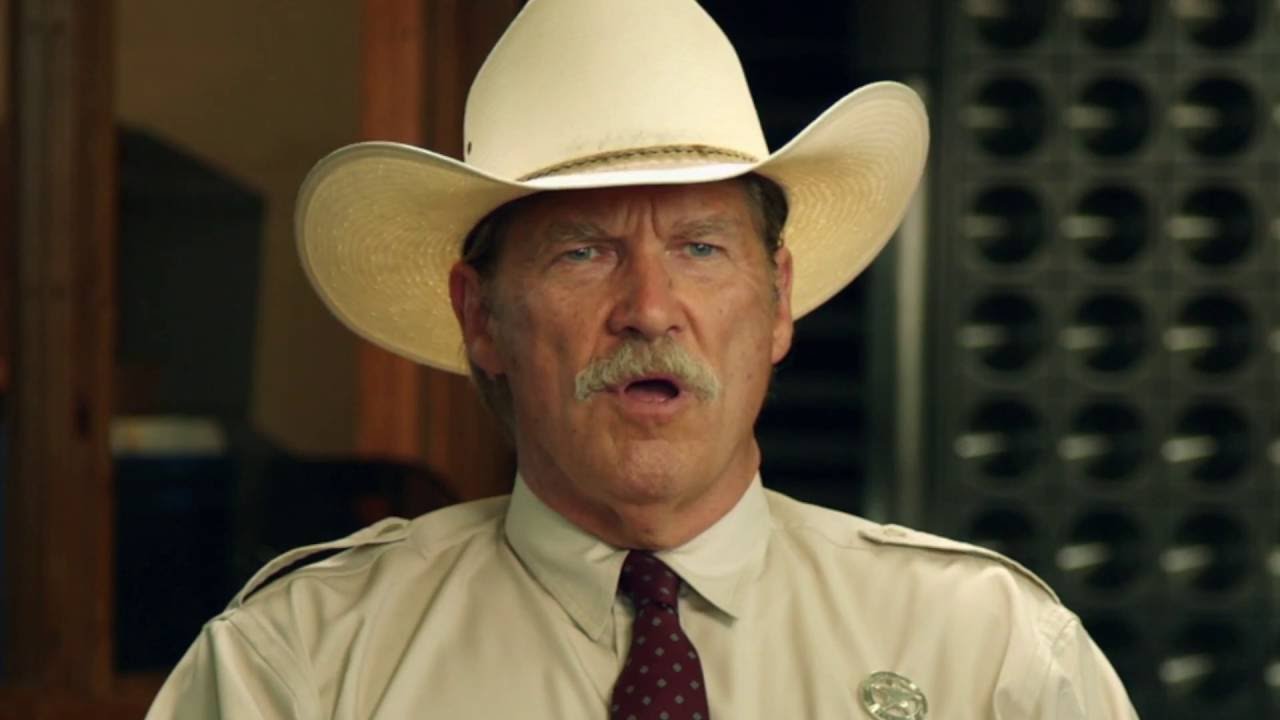
Jeff Bridges returned to Cannes the following year (and garnered yet another Oscar nomination) for his terrific co-starring role as a Texas Ranger in the contemporary Western, Hell or High Water (2016), co-starring Chris Pine, Ben Foster, Gil Birmingham, Marin Ireland and Dale Dickey under David Mackenzie’s direction, written by Taylor Sheridan, premiering in competition in Cannes’ Un Certain Regard section and receiving four Oscasr nominations (including Best Picture) and grossing $38 million for distributors Lionsgate and CBS Films. Bridges joined the talented cast of Callum Turner, Kate Beckinsale, Pierce Brosnan, Cynthia Nixon, Kiersey Clemons, Tate Donovan, Wallace Shawn, Debi Mazar, Ahn Duong and Bill Camp in the universally panned drama, The Only Living Boy in New York (2017), directed by Marc Webb and written by Allen Loeb, and released to little business by Roadside Attractions and Amazon Studios.
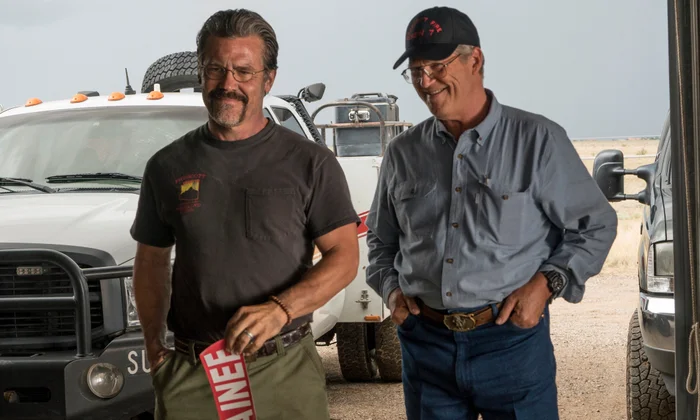
Bridges stepped aboard the Kingsman franchise in director/co-writer/producer Matthew Vaughn’s sequel, Kingsman: The Golden Circle (2017), starring Colin Firth, Taron Egerton, Mark Strong, with new cast mates Julianne Moore, Halle Berry, Pedro Pascal, Elton John and Channing Tatum, pulling in a solid $411 million box office take for 20th Century Fox. Bridges reunited with director Joseph Kosinski for the true saga about Arizona firefighters, Only the Brave (2017), dramatized by co-screenwriters Ken Nolan and Eric Warren Singer from a GQ article by Sean Flynn, starring Josh Brolin, Miles Teller, James Badge Dale, Taylor Kitsch and Jennifer Connelly, and released to rave reviews and poor box office by Columbia Pictures-Sony Pictures Releasing (North America)/Summit Entertainment-Lionsgate (International).
Jeff Bridges delivered a deliciously nasty performance in director/writer/producer Drew Goddard’s stylish neo-noir, Bad Times at the El Royale (2018), co-starring Cynthia Erivo, Dakota Johnson, Jon Hamm, Cailee Spaeny, Lewis Pullman, and Chris Hemsworth, and while garnering strong reviews, the movie failed at the box office for 20th Century Fox. Bridges produced and narrated director/producer Susan Kucera’s non-fiction film about climate change and resource depletion, Living in the Future’s Past (2018), featuring interviews with a range of scientists and experts including Bruce Hood, Wesley Clark, Daniel Goleman, Bob Inglis, Oren Lyons, Leonard Mlodinow, Timothy Morton and Mark Plotkin, and which was released by Vision Films.
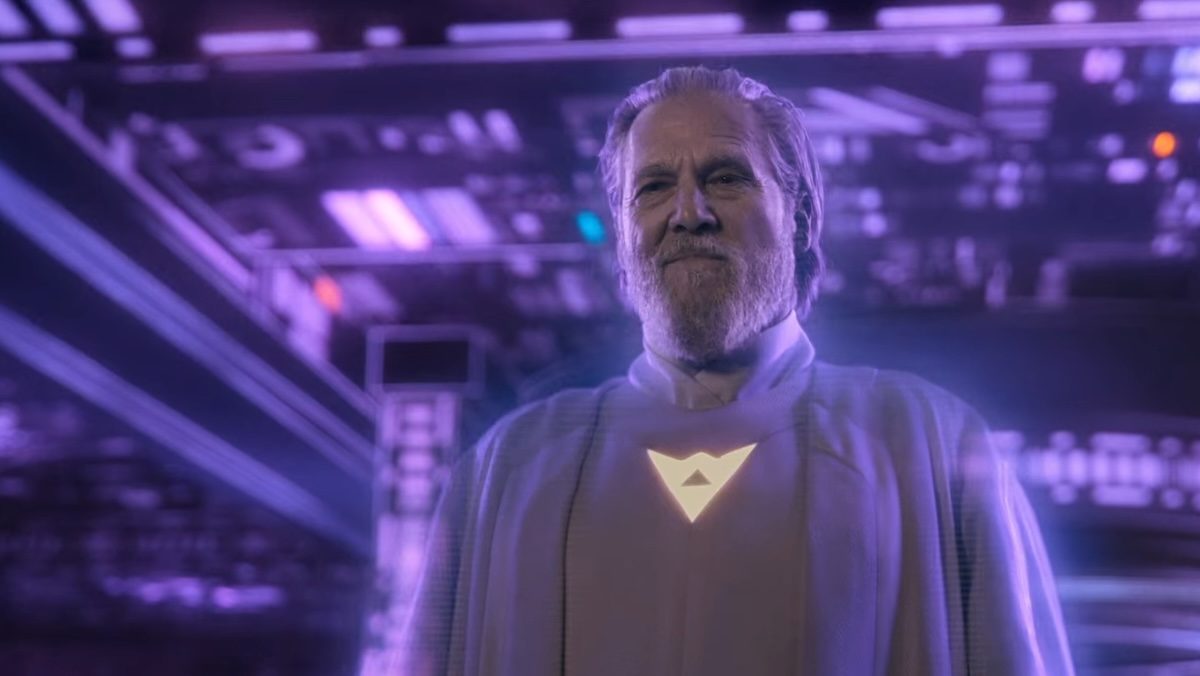
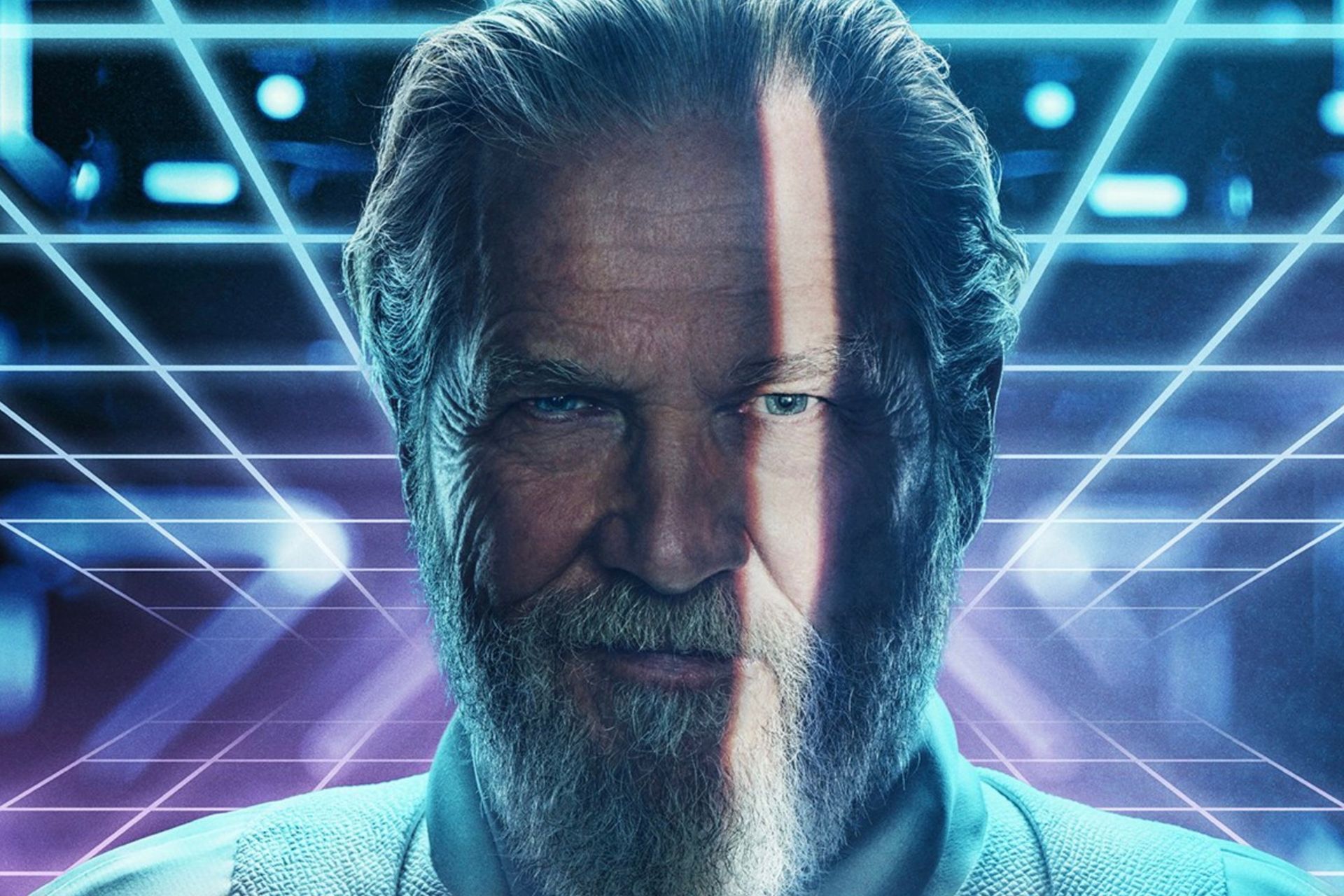
Bridges reprised his role as Kevin Flynn (depicted as a digital construct) in the third film in the series, Tron: Ares (2025), starring Jared Leto, Greta Lee, Evan Peters, Jodie Turner-Smith, Hasan Minaj and Gillian Anderson under Joachim Rønning’s direction, but proving to be a money loser for Disney, with a disappointing $124 million (and counting) global box office return. Bridges was an executive producer and performed the voice of the mythic Middle Ages beast from Beowulf in the title role of director/writer Robert D. Krzykowski’s Grendel (date to be announced), adapted from John Gardner’s novel and co-starring Bryan Cranston, Dave Bautista, Sam Elliott, Thomasin McKenzie, Aidan Turner, T Bone Burnett, and produced by The Jim Henson Company and Ashland Hill Media Finance.




Personal life
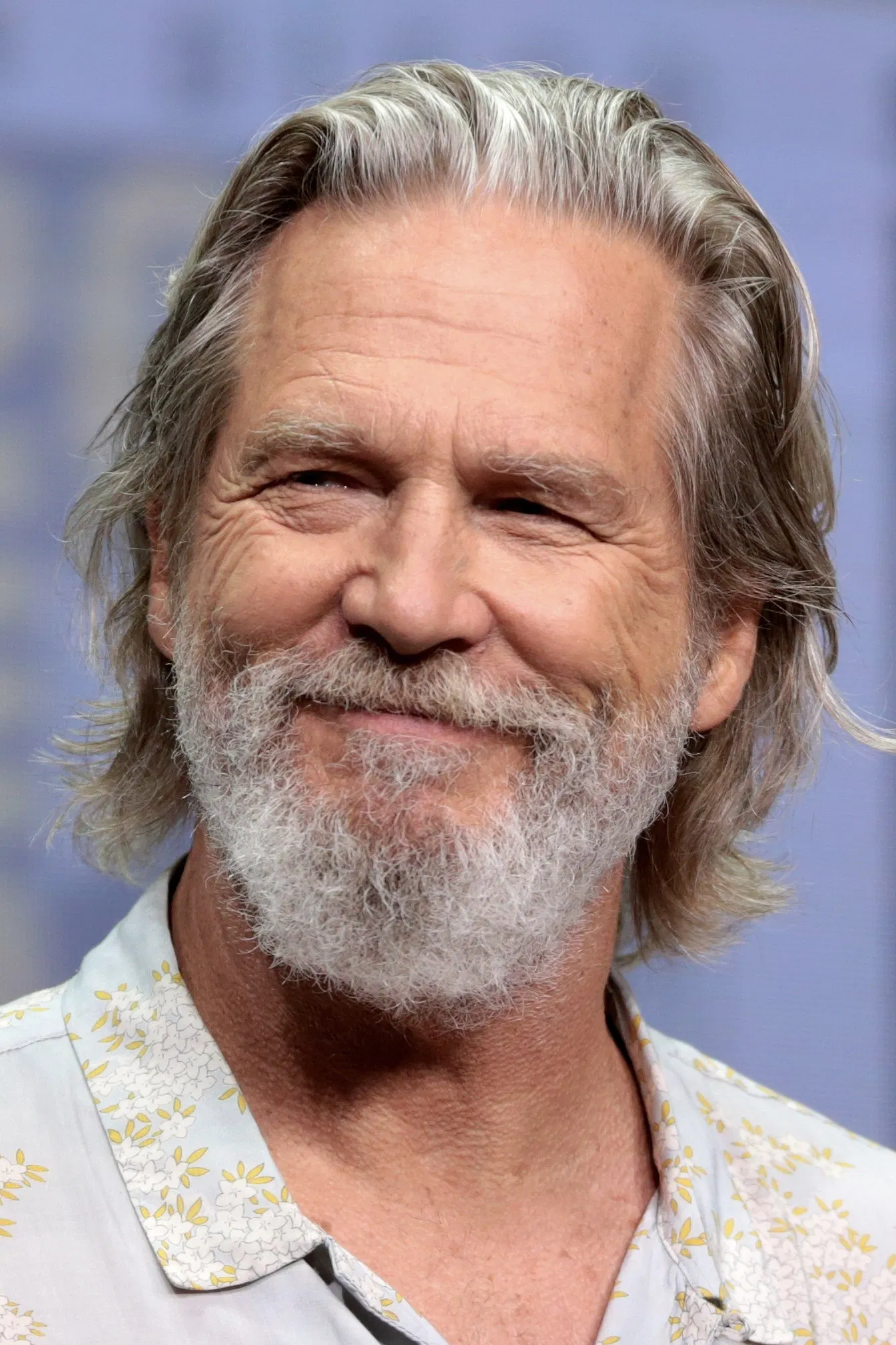
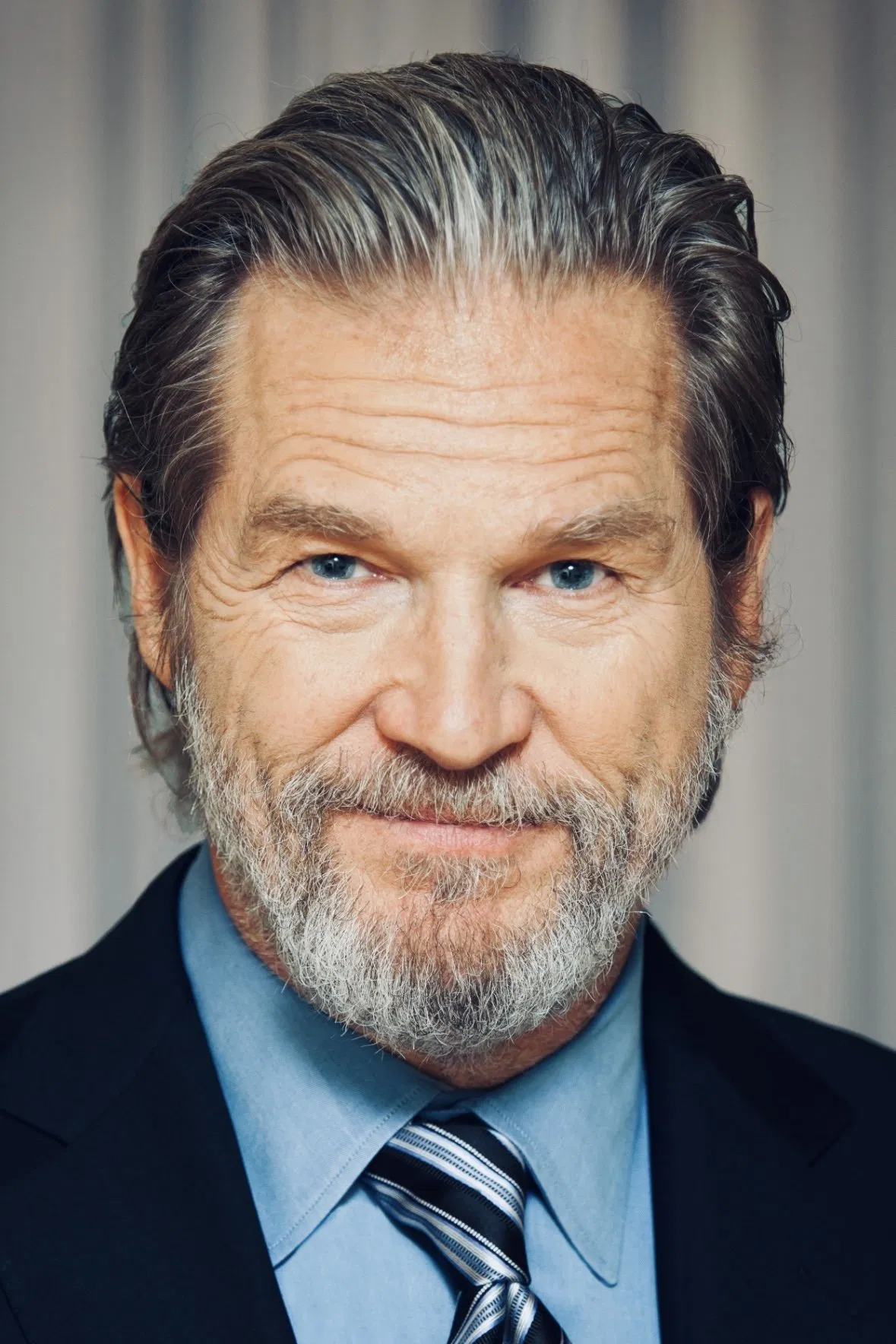
Jeff Bridges was born and raised in the Holmby Hills neighborhood on the west side of Los Angeles by his actor parents, Lloyd Bridges and Dorothy Dean Bridges. Jeff Bridges has a sister, Cindy, and an older brother, actor Beau Bridges, plus a brother, Garrett, who died in 1948 due to sudden infant death syndrome. Bridges attended and graduated from University High School in West Los Angeles. Bridges moved to New York City to study acting at the Herbert Berghof Studio. Bridges served from 1967 to 1975 in the U.S. Coast Guard Reserve, based in San Luis Obispo in central coastal California, where he held a rating of Boatswain’s Mate Second Class. Bridges has been married to Susan Bridges since 1977; the couple has three daughters, Haley, Isabelle and Jessica. Bridges’s height is 6’ ½ ”. Bridges’s estimated net worth is $80 million.
Known For
Crazy Heart
(2009)
Starman
(1984)
Jeff Bridges Movies
actor
Upcoming (1)
- 2026 |
Minions & Monsters
The Minions go on a journey to find frightening creatures to appear in their monster movie.
Previous (97)
- 2025 |
Tron: Ares
asKevin Flynn
A highly sophisticated program, Ares, is sent from the digital world into the real world on a dangerous mission.
- 2022 | Travelin' Band: Creedence Clearwater Revival at the Royal Albert Hallas Narrator
- 2021 | Hot Money
- 2020 | Ringo's Big Birthday Show!
- 2019 | Alan Pakula: Going for Truth
- 2019 | The Grand Unified Theory of Howard Bloom
- 2019 | Words from a Bear
- 2018 | Living in the Future's Past
- 2018 | Porndemic
- 2018 |
Bad Times at the El Royale
asFather Daniel Flynn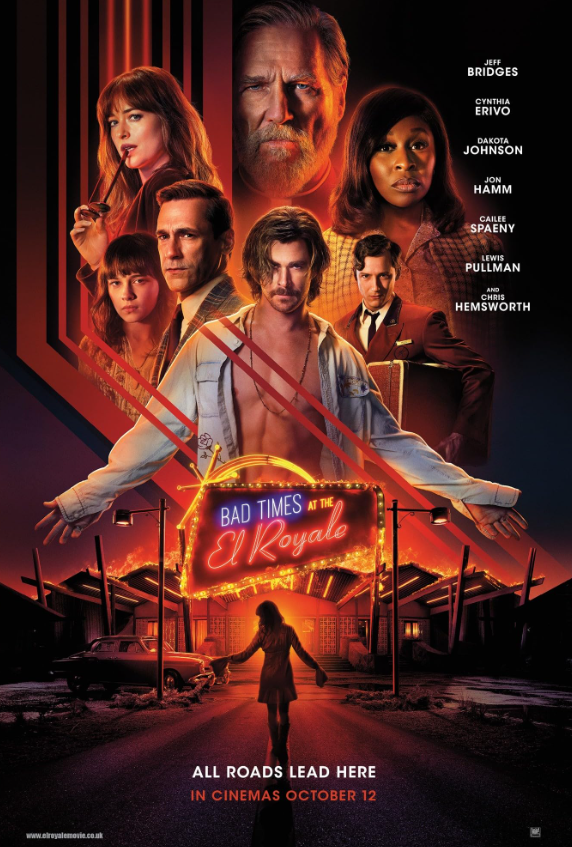
1969. Four strangers check in at the El Royale Hotel. The hotel is deserted, staffed by a single desk clerk. Some of the new guests' reasons for being there are less than innocent and some are not who they appear to be.
- 2017 | Bucky: A Fuller Future
- 2017 |
Only the Brave
asDuane Steinbrink
Based on the true story of the Granite Mountain Hotshots, a group of elite firefighters who risk everything to protect a town from a historic wildfire.
- 2017 |
The Only Living Boy in New York
asW.F. Gerald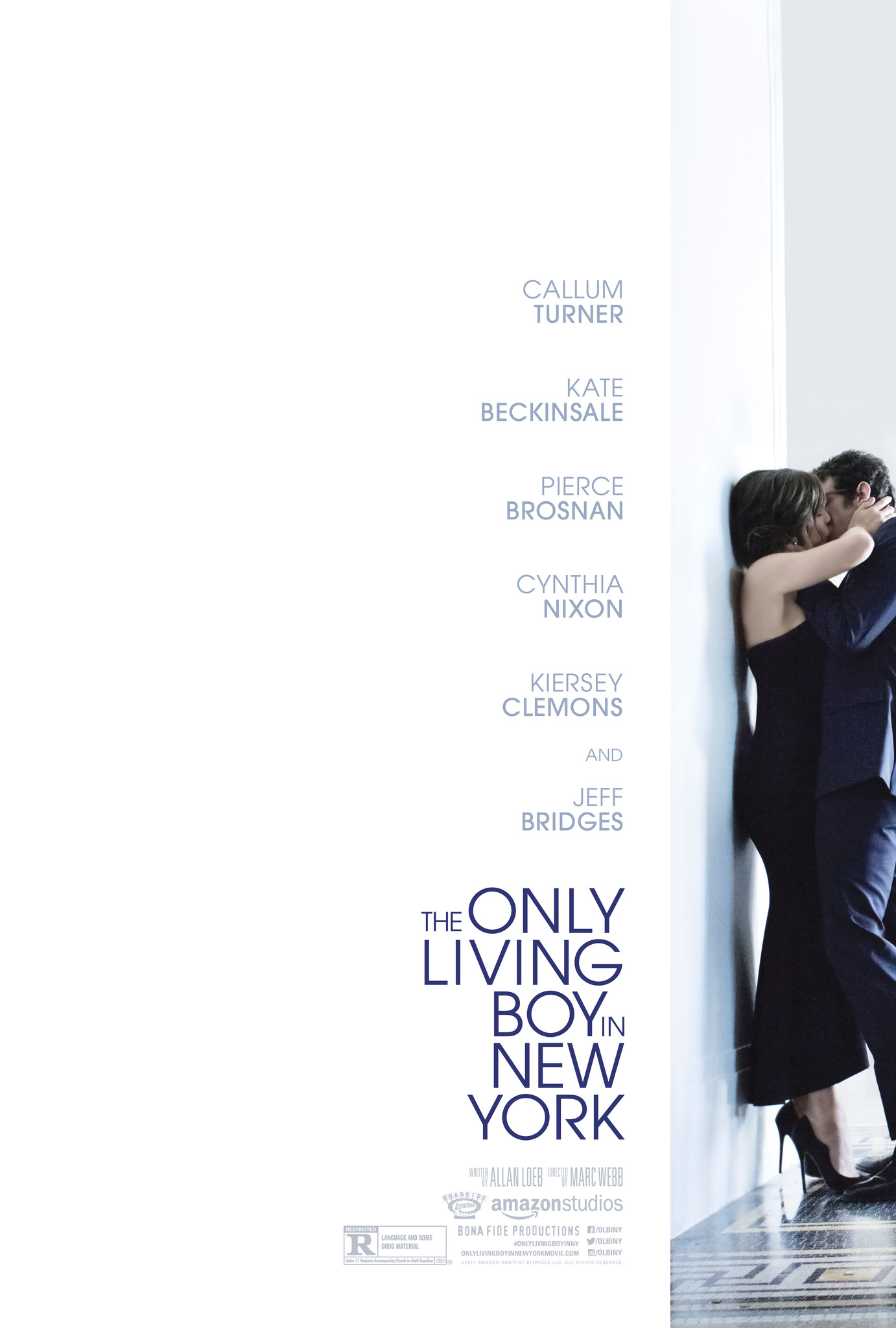
The Only Living Boy in New York
Adrift in New York City, a recent college graduate's life is upended by his father's mistress.
- 2016 |
Hell or High Water
asMarcus Hamilton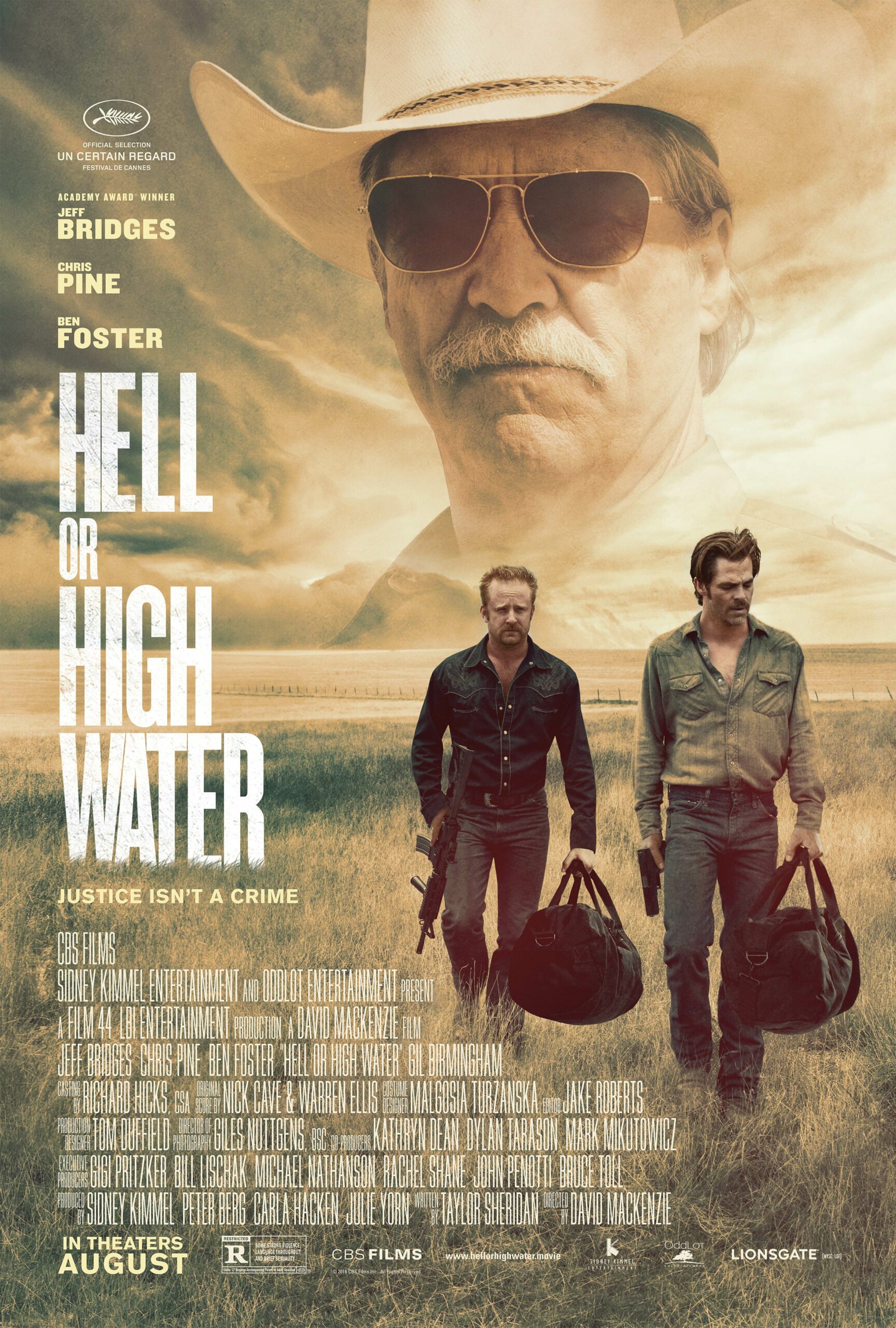
Toby is a divorced father who's trying to make a better life. His brother is an ex-con with a short temper and a loose trigger finger. Together, they plan a series of heists against the bank that's about to foreclose on their family ranch.
- 2016 |
The Little Prince
asThe Aviator
A little girl lives in a very grown-up world with her mother, who tries to prepare her for it. Her neighbor, the Aviator, introduces the girl to an extraordinary world where anything is possible, the world of the Little Prince.
- 2015 | Pilchuck: A Dance with Fireas Narrator
- 2015 |
Seventh Son
asMaster Gregory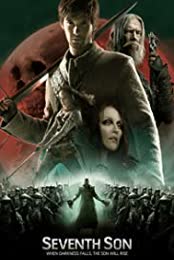
When Mother Malkin, the queen of evil witches, escapes the pit she was imprisoned in by professional monster hunter Spook decades ago and kills his apprentice, he recruits young Tom, the seventh son of the seventh son, to help him.
- 2014 | Austin City Limits Celebrates 40 Years
- 2014 | One Day Since Yesterday: Peter Bogdanovich & the Lost American Film
- 2014 |
- 2013 |
- 2012 | A Place at the Table
- 2012 | Made in New Mexico
- 2012 | Pabloas Narrator
- 2010 | Tron: Legacyas Kevin Flynn
- 2010 |
- 2009 | A Dog Yearas Jon Katz
- 2009 | The Achievers: The Story of the Lebowski Fans
- 2009 | Crazy Heartas Bad Blake
- 2009 | The Men Who Stare at Goatsas Bill Django
- 2009 | The Open Roadas Kyle
- 2008 | The Cool School
- 2008 |
- 2006 | Transformation: The Life and Legacy of Werner Erhard
- 2007 | Surf's Upas Zeke 'Big Z' Topanga
- 2006 | Chasing the Lotusas Narrator
- 2006 | George Sluizer - Filming Beyond Boundaries
- 2005 | Tidelandas Noah
- 2006 | Stick Itas Burt Vickerman
- 2005 | Backstage at the Bowl
- 2005 | The Amateursas Andy Sargentee
- 2004 | Big City Dick: Richard Peterson's First Movie
- 2004 | Final Cut: The Making and Unmaking of Heaven's Gate
- 2004 | The Door in the Flooras Ted Cole
- 2003 | Seabiscuitas Charles Howard
- 2003 |
Seabiscuit
asCharles Howard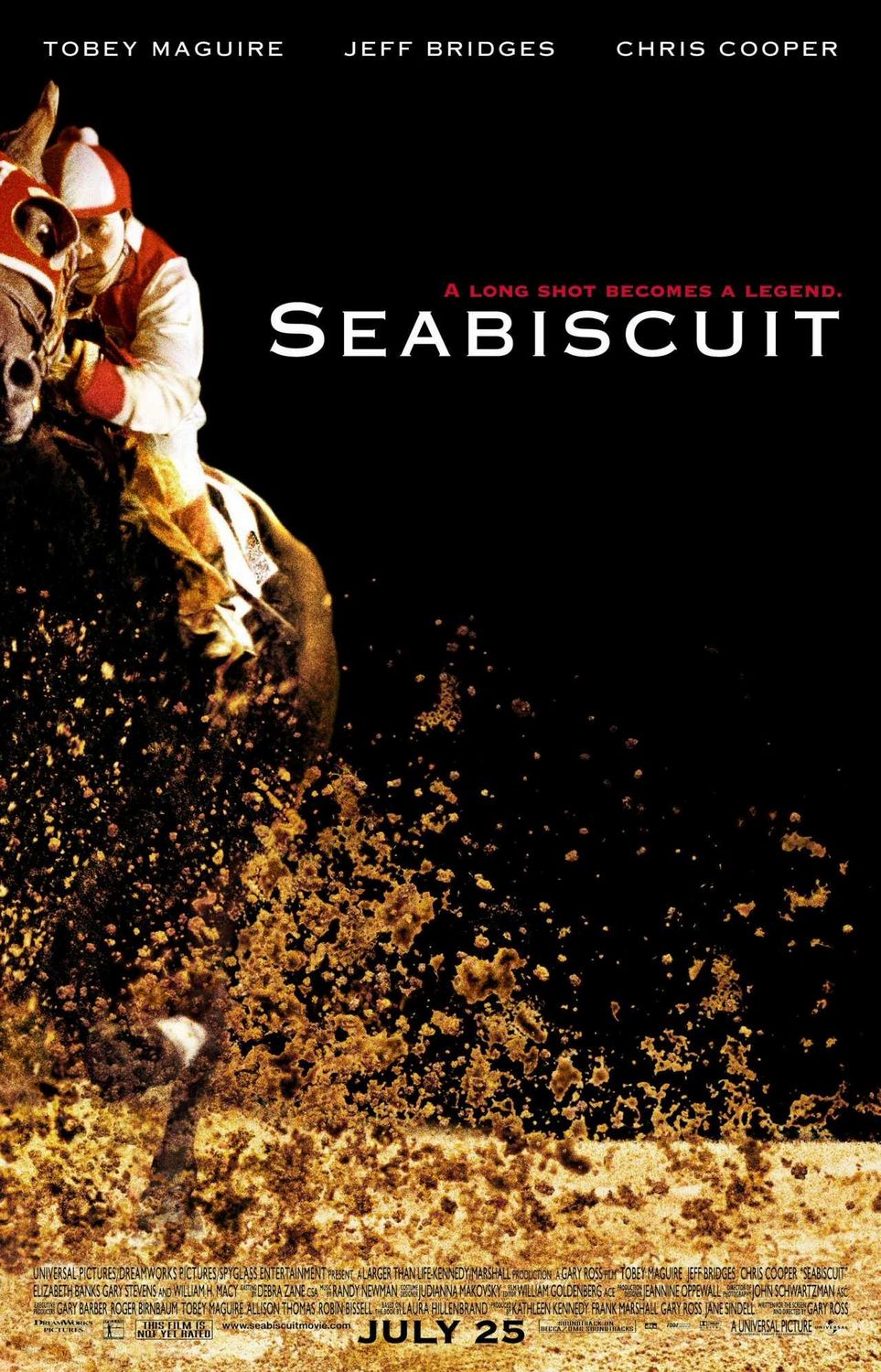
True story of the undersized Depression-era racehorse whose victories lifted not only the spirits of the team behind it but also those of their nation.
- 2003 | Masked and Anonymousas Tom Friend
- 2002 | Lost in La Manchaas Narrator
- 2001 | Scenes of the Crimeas Jimmy Berg
- 2001 | K-PAXas Dr. Mark Powell
- 2000 | The Contenderas President Jackson Evans
- 1999 | Simpaticoas Lyle Carter
- 1999 | Forever Hollywood
- 1999 | The Museas Jack Warrick
- 1999 | Arlington Roadas Michael Faraday
- 1998 |
The Big Lebowski
asThe Dude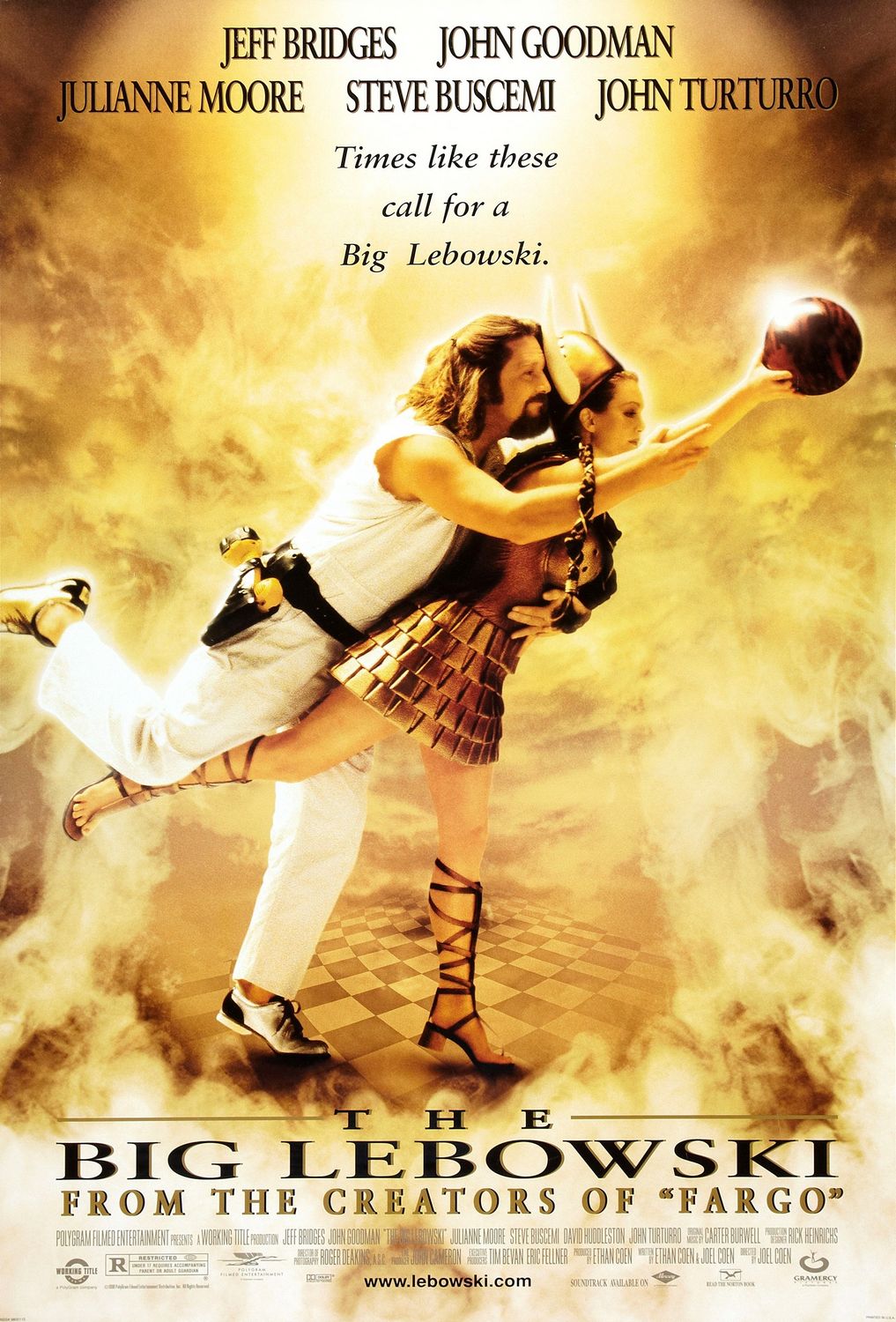
Jeff "The Dude" Lebowski, mistaken for a millionaire of the same name, seeks restitution for his ruined rug and enlists his bowling buddies to help get it.
- 1996 | The Mirror Has Two Facesas Gregory Larkin
- 1996 | White Squallas Sheldon 'Skipper'
- 1995 | Wild Billas Wild Bill Hickok
- 1994 | Blown Awayas Lt. Jimmy Dove
- 1993 | Fearlessas Max Klein
- 1992 | American Heartas Jack Kelson
- 1993 | The Vanishingas Barney Cousins
- 1991 | Picture This: The Times of Peter Bogdanovich in Archer City, Texas
- 1991 | The Fisher Kingas Jack Lucas
- 1990 | Texasvilleas Duane Jackson
- 1989 | The Fabulous Baker Boysas Jack Baker
- 1989 | See You in the Morningas Larry Livingstone
- 1988 |
Tucker: The Man and His Dream
asPreston Tucker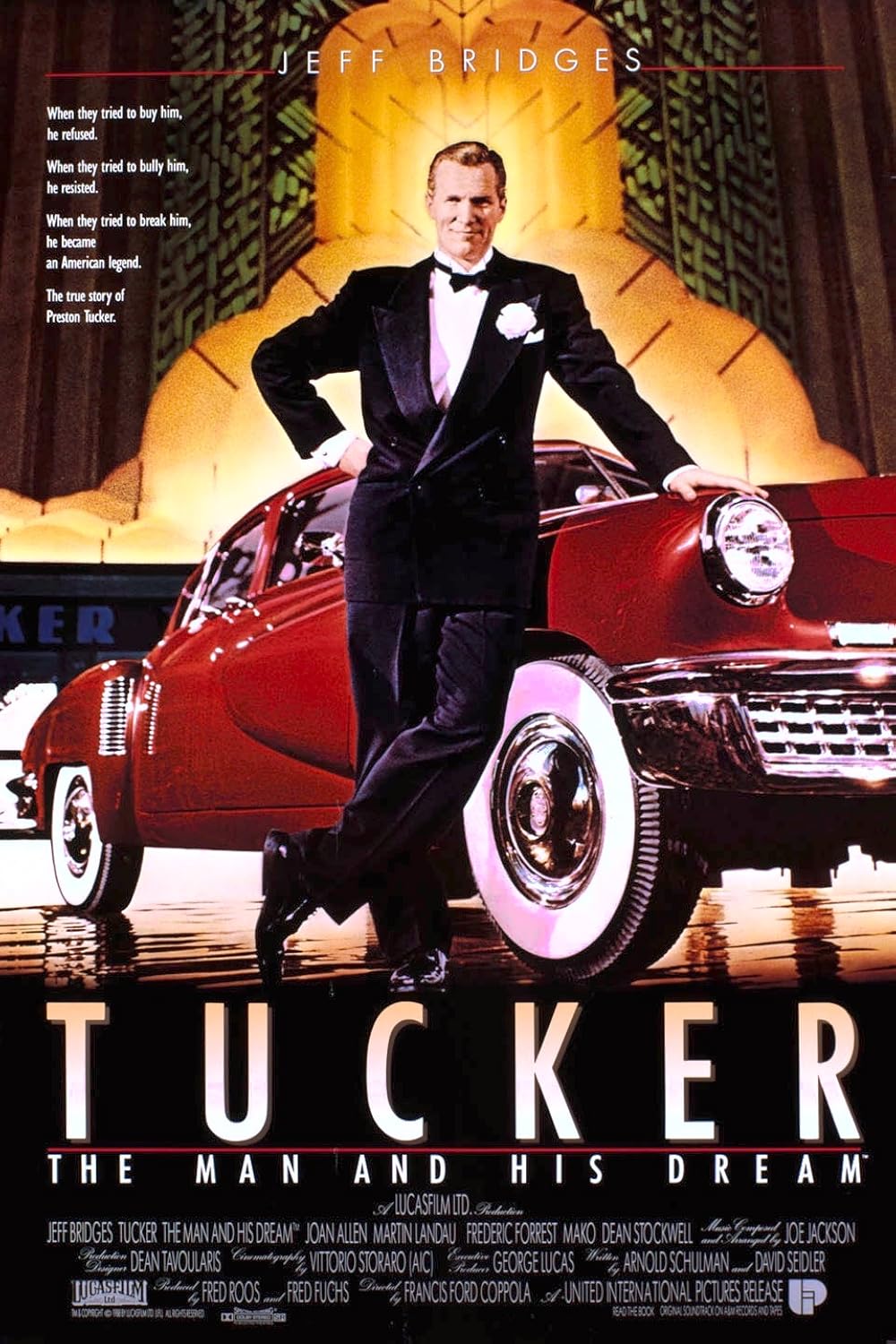
The story of Preston Tucker, the maverick car designer and his ill-fated challenge to the auto industry with his revolutionary car concept.
- 1987 | Nadineas Vernon Hightower
- 1986 | The Morning Afteras Turner Kendall
- 1986 | 8 Million Ways to Dieas Scudder
- 1985 | Jagged Edgeas Jack Forrester
- 1984 | Starmanas Starman
- 1984 | Against All Oddsas Terry Brogan
- 1982 | Kiss Me Goodbyeas Rupert
- 1982 | The Last Unicornas Prince Lir
- 1982 | Tronas Kevin Flynn
- 1982 |
- 1981 | Cutter's Wayas Richard Bone
- 1980 |
Heaven’s Gate
asJohn L. Bridges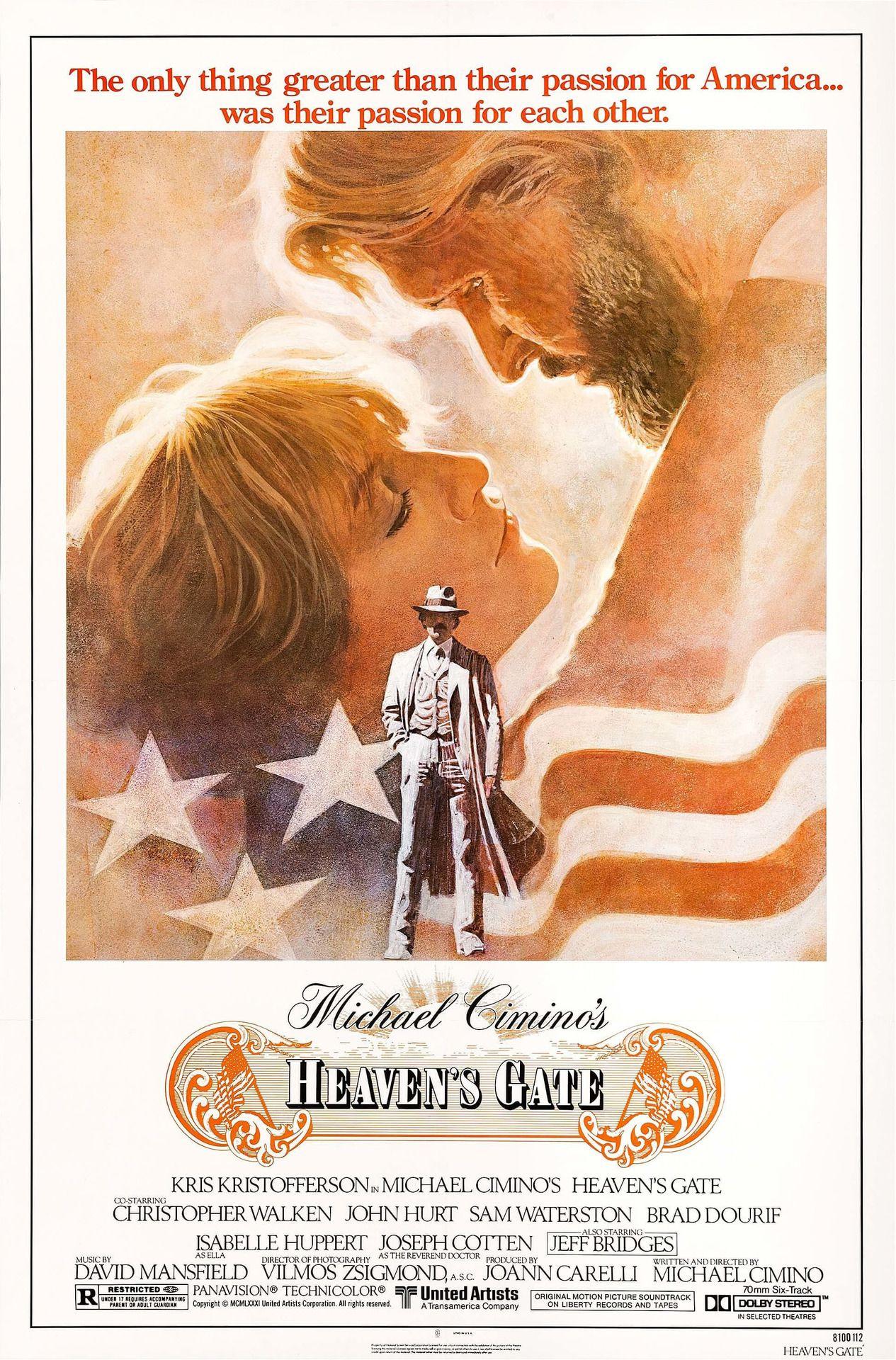
During the Johnson County War in 1890 Wyoming, a sheriff born into wealth does his best to protect immigrant farmers from rich cattle interests.
- 1979 | The American Success Companyas Harry
- 1979 |
Winter Kills
asNick Kegan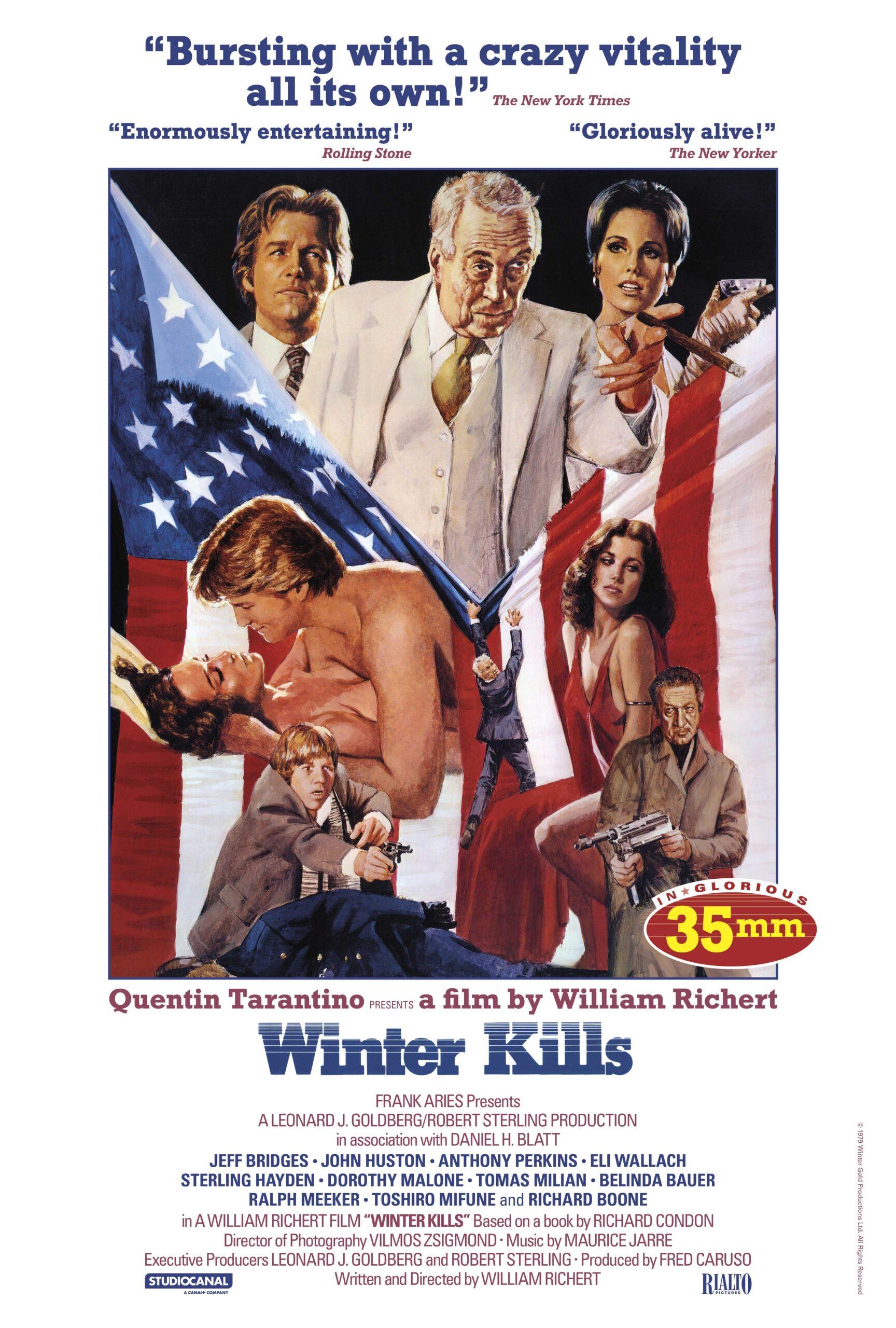
The younger brother of an assassinated US President is led down a rabbit hole of conspiracies and dead ends after learning of a man claiming to be the real shooter.
- 1978 | Somebody Killed Her Husbandas Jerry Green
- 1976 | King Kongas Jack Prescott
- 1976 | Stay Hungryas Craig Blake
- 1975 | Hearts of the Westas Lewis Tater
- 1975 | Rancho Deluxeas Jack McKee
- 1974 | Thunderbolt and Lightfootas Lightfoot
- 1973 | Lolly-Madonna XXXas Zack Feather
- 1973 | The Iceman Comethas Don Parritt
- 1973 | The Last American Heroas Elroy Jackson Jr.
- 1972 | Bad Companyas Jake Rumsey
- 1972 | Fat Cityas Ernie
- 1971 | The Last Picture Showas Duane Jackson
- 1970 | Halls of Angeras Doug
- 1970 | The Yin and the Yang of Mr. Goas Nero Finnegan

Facts About Jeff Bridges
AKA: Jeff Bridges has become so closely identified with his bumbling stoner character in The Big Lebowski, aka, The Dude, that it has become his adopted nickname.
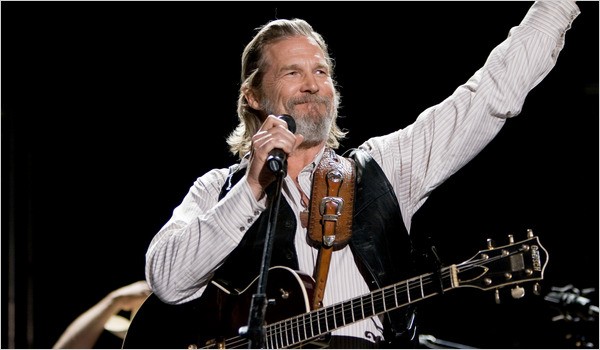
Hobbyist: Bridges is famed for his hobbies, which include his work as a talented photographer, country-folk musician/singer, and cartoonist.
Stop Hunger: Jeff Bridges has been active in supporting causes to end childhood hunger, becoming the spokesperson for Share Our Strength’s No Kid Hungry campaign.
Recording Artist: Bridges has released three albums to date, including Be Here Soon (2000) on Ramp Records, Jeff Bridges (2011) on Blue Note Records, and Sleeping Tapes (2015) on Squarespace.
Health Challenges: Jeff Bridges fully recovered, first, from Non-Hodgkin lymphoma in 2021, and then from COVID-19, which sent him to the hospital for five weeks.
Jeff Bridges News

People Also Searched For