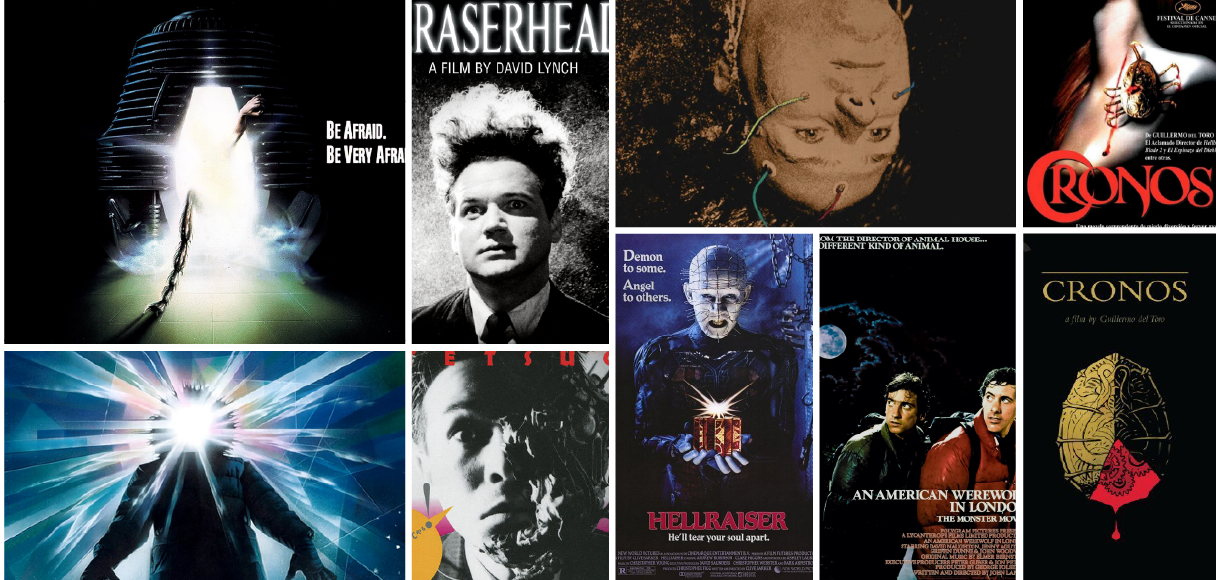



Clayface opens in US theaters on October 23, 2026. It is DC Studios' first outright horror film, directed by James Watkins (Speak No Evil, Eden Lake) from a Mike Flanagan and Hossein Amini screenplay. Tom Rhys Harries plays Matt Hagen, a rising Hollywood star whose disfigurement and desperate experimental treatment produce the shapeshifting clay-body creature Batman fans know.
The prep viewing splits into four tracks by time commitment. If you have 2 hours 2 minutes, watch just Joker (2019); everything essential is there. If you have a full weekend, the complete four-track plan covers 13 films across DC's live-action villain history.
Track 1 is essential. Track 2 is the prestige tradition Clayface is joining. Track 3 is the camp tradition it is running from. Track 4 is the universe it technically belongs to. The honest answer to "what do I need to watch before Clayface" is one film, and the minimum prep plan below tells you which one and why the other twelve are enhancement rather than homework.
What Clayface Is About: The Setup You Need in One Section
Before deciding what to watch, you need to know what Clayface is actually about. No spoilers beyond what DC Studios' official trailers and press materials have already revealed.
The premise: Abandoned by his team, Hagen seeks out an experimental treatment that restores his face and then begins to erode his grip on reality, sending him toward a revenge spiral. Tom Rhys Harries plays him. Director James Watkins told Deadline at San Diego Comic-Con in July 2026 that the script's bones are a monster story about identity, about who we are and how we define ourselves, and he placed it alongside Frankenstein and the older shape-shifter myths rather than alongside superhero cinema. That is not marketing language. That is a horror director describing a horror film.
The cast and creative team: Tom Rhys Harries leads as Matt Hagen. Naomi Ackie plays Dr. Caitlin Corr, Max Minghella plays John Borelli, and David Dencik, Eddie Marsan, Nancy Carroll and Joshua James fill out the cast. James Watkins directs, from a screenplay by Mike Flanagan and Hossein Amini, story by Flanagan. Matt Reeves, Lynn Harris, James Gunn and Peter Safran produce.
The DCU context and the rating: Clayface is the third theatrical film in James Gunn's DC Universe, following Superman and Supergirl, and the sixth installment of Chapter One: Gods and Monsters. It sits outside Matt Reeves's The Batman continuity: Robert Pattinson's Batman is not in it, and the DCU's own Batman remains uncast as of September 2026. The MPA rated the film R in September 2026 for strong bloody violence, gore, language, some nudity, and brief drug use, which is the DCU's first theatrical R-rated entry. The budget has been reported at roughly $40 million. It opens in US theaters and IMAX on October 23, 2026, after opening in several international markets from October 21.
The 13 Prep Films at a Glance
All titles stream on HBO Max in the US (subscription) and are available to rent or buy on Amazon Video, Apple TV, and Fandango at Home. Availability is in the US and was verified via JustWatch as of September 2026.
| # | Film | Year | Director | Track | Runtime | Streaming (US) |
|---|---|---|---|---|---|---|
| 1 | Joker | 2019 | Todd Phillips | 1 Essential | 122 min | HBO Max |
| 2 | The Batman | 2022 | Matt Reeves | 1 Essential | 176 min | HBO Max |
| 3 | Batman Begins | 2005 | Christopher Nolan | 2 Nolan | 140 min | HBO Max |
| 4 | The Dark Knight | 2008 | Christopher Nolan | 2 Nolan | 152 min | HBO Max |
| 5 | The Dark Knight Rises | 2012 | Christopher Nolan | 2 Nolan | 164 min | HBO Max |
| 6 | Batman | 1989 | Tim Burton | 3 Classic | 126 min | HBO Max |
| 7 | Batman Returns | 1992 | Tim Burton | 3 Classic | 126 min | HBO Max |
| 8 | Batman Forever | 1995 | Joel Schumacher | 3 Classic | 121 min | HBO Max |
| 9 | Batman & Robin | 1997 | Joel Schumacher | 3 Classic | 125 min | HBO Max |
| 10 | Suicide Squad | 2016 | David Ayer | 4 DCU | 123 min | HBO Max |
| 11 | Birds of Prey | 2020 | Cathy Yan | 4 DCU | 109 min | HBO Max |
| 12 | The Suicide Squad | 2021 | James Gunn | 4 DCU | 132 min | HBO Max |
| 13 | Superman | 2025 | James Gunn | 4 DCU | 129 min | HBO Max |
The Four Prep Tracks: Your Time-Budgeted Viewing Plan
The framework below organizes prep viewing into four tracks by time commitment. Pick the track that matches how much preparation you actually want to do. The article's honest answer to the "what do I need to watch" question is: probably less than you think.
Track 1: The Modern Villain Origin Films (Essential)
Track 1 is the two contemporary films that built the villain-origin-as-tragedy template Clayface extends. Joker (2019) is the closest thematic predecessor: an R-rated, character-focused horror-adjacent film told entirely from inside a Batman villain. The Batman (2022) is the most recent live-action Batman villain film and sets the craft standard Clayface will be measured against.
Track 1 total: 4 hours 58 minutes. If you watch anything, watch these two.
Track 2: The Nolan Batman Villain Films (Highly Recommended)
Track 2 is Christopher Nolan's Dark Knight trilogy, which redefined what a live-action Batman villain could be. Batman Begins (2005) introduced Cillian Murphy's Scarecrow and Liam Neeson's Ra's al Ghul. The Dark Knight (2008) delivered Heath Ledger's Joker. The Dark Knight Rises (2012) added Tom Hardy's Bane and Marion Cotillard's Talia al Ghul. None of it connects to the DCU. All of it established the prestige register Clayface is entering.
Track 2 total: 7 hours 36 minutes.
Track 3: The Classic Batman Villain Films (Historical Context)
Track 3 is the Tim Burton and Joel Schumacher era, 1989 through 1997, which built the live-action Batman villain vocabulary that everything after it either inherited or rejected. Burton's Batman gave us Jack Nicholson's Joker; Batman Returns gave us Danny DeVito's Penguin and Michelle Pfeiffer's Catwoman; Batman Forever gave us Tommy Lee Jones's Two-Face and Jim Carrey's Riddler; Batman & Robin gave us Arnold Schwarzenegger's Mr. Freeze and Uma Thurman's Poison Ivy.
Track 3 total: 8 hours 18 minutes.
Track 4: The DCU Villain Ecosystem (Universe Context)
Track 4 is the wider DC villain-film tradition plus the universe Clayface is joining. Superman (2025) is James Gunn's DCU debut with Nicholas Hoult's Lex Luthor. The Suicide Squad (2021) is Gunn's own villain ensemble. Suicide Squad (2016) is the earlier attempt at the same idea. Birds of Prey (2020) is the closest structural precedent Clayface has: a Batman villain film with no Batman in it.
Track 4 total: 8 hours 13 minutes.
Track 1: The Modern Villain Origin Films, The Essential Prep
The two films below are the modern Batman villain films that most directly establish what Clayface is doing. Joker is the closer thematic predecessor. The Batman is the more recent craft benchmark. Watch them in release order.
Joker (2019)
Trailer: Official trailer for Joker (2019) — Warner Bros. Pictures (paste verified YouTube link here).
Director: Todd Phillips
Starring: Joaquin Phoenix, Robert De Niro, Zazie Beetz, Frances Conroy
Year: 2019
Rating: R
Runtime: 122 minutes
Featured villain: Joker / Arthur Fleck (Joaquin Phoenix, Best Actor winner at the 2020 Academy Awards)
Where to watch: US: streaming on HBO Max (subscription); rent or buy on Amazon Video, Apple TV, Fandango at Home. Canada: check JustWatch for current availability.
Joker (2019) is the film Clayface is in the most direct conversation with, and it is the one film on this list you should not skip. Todd Phillips built an R-rated character study out of a Batman villain and made it work commercially at a scale nobody had attempted.
Why it belongs in Track 1: Both films take a man whose identity is his public face and dismantle him externally before he collapses internally. Watkins has already been asked about the comparison and declined it politely, telling interviewers in September 2026 that Joker and The Substance are both good films but that Matt Hagen's story creates its own atmosphere and belongs to a different universe. A director declining a comparison that specific is usually a director who has thought about it carefully.
What to watch for: Arthur's identity dissolving in increments rather than in one break. The way 1981 Gotham is shot as an extension of his interior rather than as a backdrop. Phoenix's physical registers, especially the laugh, which is played as a symptom and never as a flourish.
Skip if: You cannot skip this one. If you have time for exactly one film, this is it.
The Screendollars Take: Joker is not a supervillain origin story. It is a film about a man who discovers that the only version of himself the world will pay attention to is the one that frightens it. Phillips shoots the talk-show set with the same warm nostalgia he gives Arthur's fantasies, so that by the time the fantasy and the stage occupy the same frame, you cannot locate the seam. Phoenix plays the laugh as a medical event for ninety minutes, then plays it as a choice once, and the difference between those two sounds is the entire film. The critical divide over Joker was never about whether the film works; critics were arguing about what it endorses. Arthur does not become the Joker. He stops apologising for already being him.
The Batman (2022)
Trailer: Official trailer for The Batman (2022) — Warner Bros. Pictures (paste verified YouTube link here).
Director: Matt Reeves
Starring: Robert Pattinson, Zoë Kravitz, Jeffrey Wright, Colin Farrell, Paul Dano
Year: 2022
Rating: PG-13
Runtime: 176 minutes
Featured villains: Riddler (Paul Dano), Penguin (Colin Farrell), Carmine Falcone (John Turturro)
Where to watch: US: streaming on HBO Max (subscription); rent or buy on Amazon Video, Apple TV, Fandango at Home.
The Batman (2022) is the most recent live-action Batman villain film, and it set the standard Clayface will be judged against whether the two films share a universe or not. They do not: Clayface sits in the DCU, and Reeves's film does not.
Why it belongs in Track 1: Reeves spent nearly three hours treating his villains as case studies rather than obstacles. Dano's Riddler is a grievance made literal; Farrell's Penguin is a character performance buried under prosthetics so complete that the actor disappears. That is the exact craft problem Tom Rhys Harries has to solve under transformation makeup.
What to watch for: Farrell's Penguin scenes, specifically what he does with the eyes and the mouth when the rest of the face cannot move. Dano's Riddler videos as a study in how a modern villain performs for an audience. Reeves's Gotham as weather rather than as architecture.
Skip if: You watched it recently. Clayface sits outside this continuity, so plot memory buys you nothing. Tonal memory is all you need.
The Screendollars Take: The Batman is not a detective film with villains in it. It is a film about a city that keeps producing the same wound and naming it differently each time. Reeves keeps the camera low and close on Pattinson for the first hour so that Gotham arrives in fragments, the way it would to someone who only goes out at night. Farrell's Penguin works because Reeves lets him be funny, which no other prosthetic villain in this franchise has been allowed to be. Dano plays a man who has rehearsed every line he says, and you can hear the rehearsal. Three hours in, the film's real reveal is that nobody in Gotham is the exception.
Track 2: The Nolan Batman Villain Films, For Serious Villain Context
The three films below are Christopher Nolan's Dark Knight trilogy. Watch these for the "Batman villain as serious cinema" tradition, which is the lineage Clayface is entering. None of the three connects to the DC Universe that Clayface belongs to.
Batman Begins (2005)
Trailer: Official trailer for Batman Begins (2005) — Warner Bros. Pictures (paste verified YouTube link here).
Director: Christopher Nolan
Starring: Christian Bale, Michael Caine, Liam Neeson, Cillian Murphy, Gary Oldman
Year: 2005
Rating: PG-13
Runtime: 140 minutes
Featured villains: Scarecrow (Cillian Murphy), Ra's al Ghul (Liam Neeson)
Where to watch: US: streaming on HBO Max (subscription); rent or buy on Amazon Video, Apple TV, Fandango at Home.
Batman Begins (2005) is the film that made the prestige Batman possible, and Cillian Murphy's Scarecrow is the reason it belongs on a villain prep list rather than an origin one.
Why it belongs in Track 2: Murphy plays a psychiatrist who weaponises fear, and he plays it quietly, which was the tonal break from everything the franchise had done since 1989. Nolan also builds Bruce Wayne's psychological interior as a structural mirror of Gotham's decay, and that mirroring is the most likely structural choice Clayface will make with Hagen and his own ruined face.
What to watch for: The fear-toxin sequences, which are shot as horror and land as horror. Neeson playing mentor and antagonist in the same register without switching. The distance between this Gotham and Schumacher's, eight years earlier.
Skip if: You are pressed for time and have not seen any Nolan. Go straight to The Dark Knight. Begins is the better foundation and the lesser villain film.
TheScreenDollarss Take: Batman Begins is not an origin story. It is a film about a man building an institution out of a private injury and then discovering the institution has its own opinions. Murphy's Scarecrow gets maybe eleven minutes of real screen time and spends most of it speaking at conversational volume, which is precisely why the mask works when it finally appears. Nolan shoots the League of Shadows training in wide, patient takes and the Gotham sequences in close, fractured ones, so the film physically changes shape when Bruce comes home. The villain here is not fear. It is the belief that fear can be aimed.
The Dark Knight (2008)
Trailer: Official trailer for The Dark Knight (2008) — Warner Bros. Pictures (paste verified YouTube link here).
Director: Christopher Nolan
Starring: Christian Bale, Heath Ledger, Aaron Eckhart, Gary Oldman, Michael Caine
Year: 2008
Rating: PG-13
Runtime: 152 minutes
Featured villains: Joker (Heath Ledger, posthumous Best Supporting Actor winner), Two-Face (Aaron Eckhart)
Where to watch: US: streaming on HBO Max (subscription); rent or buy on Amazon Video, Apple TV, Fandango at Home.
The Dark Knight (2008) contains the performance every subsequent Batman villain is measured against, and that includes the one Tom Rhys Harries is about to deliver. It is the best-reviewed film in this article.
Why it belongs in Track 2: Ledger's Joker proved a comic-book villain could carry a major studio film as a legitimate character rather than as spectacle. The film's other villain matters more for Clayface prep, though: Aaron Eckhart's Harvey Dent is a good man disfigured and then destroyed by what the disfigurement permits him to do. That is Matt Hagen's structure, almost exactly.
What to watch for: Eckhart's turn, which the film earns across two hours and then spends in twenty minutes. Ledger's stillness between lines. The interrogation scene, which is two men in a room and better than any set piece in the trilogy.
Skip if: You have seen it in the last year or two. This is the most-watched film on the list by a distance.
The Screendollars Take: The Dark Knight is not a film about chaos versus order. It is a film about how quickly institutions will trade their principles for a result, and how the Joker's only real weapon is patience. Ledger holds pauses that no studio note would have survived, and Nolan cuts around him as though the camera is also unsure what he will do. Eckhart's Dent is the film's actual tragedy: the coin is not a gimmick; it is a man outsourcing a decision he cannot live with. Ledger's Joker never wins an argument. He just waits for everyone else to lose theirs.
The Dark Knight Rises (2012)
Trailer: Official trailer for The Dark Knight Rises (2012) — Warner Bros. Pictures (paste verified YouTube link here).
Director: Christopher Nolan
Starring: Christian Bale, Tom Hardy, Anne Hathaway, Marion Cotillard, Michael Caine
Year: 2012
Rating: PG-13
Runtime: 164 minutes
Featured villains: Bane (Tom Hardy), Talia al Ghul (Marion Cotillard)
Where to watch: US: streaming on HBO Max (subscription); rent or buy on Amazon Video, Apple TV, Fandango at Home.
The Dark Knight Rises (2012) is on this list for one reason: Tom Hardy's Bane is the closest thing live-action Batman cinema has to the performance problem Clayface presents.
Why it belongs in Track 2: Hardy acts through a mask that covers most of his face and a voice track that was rebuilt in post. He is left with posture, hands and cadence, and he builds a whole character out of them. Harries has to do something structurally similar under a body that will not hold its shape.
What to watch for: Hardy's hands, which do most of the characterisation. The way mass and stillness read as threat without speed. Nolan's willingness to leave Gotham occupied and broken for most of the third act.
Skip if: You are only watching one Nolan film. Watch The Dark Knight. Rises is the trilogy's most diffuse entry, and it spends its villain's best material in the first hour.
The Screendollars Take: The Dark Knight Rises is not a finale. It is a film about a city that was told a comforting lie for eight years and then handed the bill. Hardy makes Bane courteous, which is the choice that makes him frightening: he explains himself, thanks people, and then breaks them. The pit sequence is the trilogy's only genuinely patient stretch of filmmaking, and it works because Nolan lets Bruce fail at it twice. The film is overstuffed, and the Talia reveal arrives late enough to feel administrative. Bane's real threat was never the bomb. It was the offer of hope with a timer on it.
Track 3: The Classic Batman Villain Films, Historical Villain Context
The four films below are the Tim Burton and Joel Schumacher era, 1989 through 1997, which established the live-action Batman villain as spectacle. Track 3 is the tradition Clayface is departing from, and the range of quality inside it is enormous.
Batman (1989)
Trailer: Official trailer for Batman (1989) — Warner Bros. Pictures (paste verified YouTube link here).
Director: Tim Burton
Starring: Michael Keaton, Jack Nicholson, Kim Basinger, Michael Gough
Year: 1989
Rating: PG-13
Runtime: 126 minutes
Featured villain: Joker / Jack Napier (Jack Nicholson)
Where to watch: US: streaming on HBO Max (subscription); rent or buy on Amazon Video, Apple TV, Fandango at Home.
Batman (1989) invented the modern Batman film, and Jack Nicholson's Joker set the template that every live-action Batman villain worked inside for the next sixteen years.
Why it belongs in Track 3: Nicholson's Napier is disfigured by chemicals, reconstructed by a back-alley surgeon, and comes out of it with a face that will not stop smiling. Strip the greasepaint,t and that is Matt Hagen's first act. Burton stages the transformation as a horror beat and then spends the rest of the film treating it as a joke, which is the exact split Clayface appears designed to refuse.
What to watch for: The bandage-removal scene and the laugh that follows it. Anton Furst's gothic-industrial Gotham, which every subsequent production designer has had to answer. Danny Elfman's theme.
Skip if: You want Burton context but only have one slot. Batman Returns is the better film.
The Screendollars Take: Batman (1989) is not a superhero film. It is a Tim Burton film about two damaged men in costumes, one of whom happens to have a company. Nicholson plays Napier as a gangster with theatre-kid ambitions, and the performance only becomes historic after the mirror scene, when the film lets him look at his own face for four uninterrupted seconds before he starts laughing. Keaton, given almost nothing on the page, acts entirely with his jaw. The film's pacing sags badly in the middle hour. Burton understood before anyone else that the mask was the honest part.
Batman Returns (1992)
Trailer: Official trailer for Batman Returns (1992) — Warner Bros. Pictures (paste verified YouTube link here).
Director: Tim Burton
Starring: Michael Keaton, Danny DeVito, Michelle Pfeiffer, Christopher Walken
Year: 1992
Rating: PG-13
Runtime: 126 minutes
Featured villains: Penguin / Oswald Cobblepot (Danny DeVito), Catwoman / Selina Kyle (Michelle Pfeiffer)
Where to watch: US: streaming on HBO Max (subscription); rent or buy on Amazon Video, Apple TV, Fandango at Home.
Batman Returns (1992) is the most useful film in Track 3 for Clayface prep, because it is the first live-action Batman film to treat a physically grotesque villain as a tragedy rather than as a design choice.
Why it belongs in Track 3: DeVito plays Oswald Cobblepot under heavy prosthetics and black bile, and Burton refuses to let the audience off the hook about why he is like this. Pfeiffer's Selina Kyle, meanwhile, gets the franchise's best transformation sequence: a woman destroying her own apartment and rebuilding herself out of the wreckage.
What to watch for: The sewer flashback that opens the film. Pfeiffer's transformation scene, from the spray paint to the stitching. The moment Cobblepot's mayoral campaign collapses, which Burton shoots as public humiliation rather than as defeat.
Skip if: Nothing here to skip. If you are watching one pre-Nolan Batman film, watch this one.
The Screendollars Take: Batman Returns is not a sequel. It is a Christmas film about three people who cannot stop performing the version of themselves that the city finds acceptable. Burton shoots Cobblepot's campaign launch in bright civic daylight, and his death in near-total dark, and the film's sympathy moves exactly along that gradient. Pfeiffer's transformation works because she plays it as a breakdown rather than an empowerment montage; she is not becoming Catwoman, she is running out of Selina. DeVito is buried under latex and still lands the only genuinely sad line in the trilogy. The monsters here are not made in laboratories. They are made in front of cameras.
Batman Forever (1995)
Trailer: Official trailer for Batman Forever (1995) — Warner Bros. Pictures (paste verified YouTube link here).
Director: Joel Schumacher
Starring: Val Kilmer, Tommy Lee Jones, Jim Carrey, Nicole Kidman, Chris O'Donnell
Year: 1995
Rating: PG-13
Runtime: 121 minutes
Featured villains: Two-Face (Tommy Lee Jones), Riddler / Edward Nygma (Jim Carrey)
Where to watch: US: streaming on HBO Max (subscription); rent or buy on Amazon Video, Apple TV, Fandango at Home.
Batman Forever (1995) is where the live-action Batman villain became a costume rather than a condition, and it is on this list as the counter-example that makes everything after it legible.
Why it belongs in Track 3: Watch the design logic change. Nicholson and DeVito were built out of prosthetics and physical damage. Jones and Carrey are built out of wardrobe. That shift from body to costume is the exact thing Clayface reverses, and you cannot see the reversal clearly unless you have seen the original move.
What to watch for: Carrey's Riddler, which is the last major Batman villain performance in the pure scenery-chewing register before Ledger reset the terms. Schumacher's neon, which was a deliberate reaction against Burton. The near-total absence of Two-Face as a character rather than a colour scheme.
Skip if: You have limited time. This is optional prep, and the article's description of it gives you the context without the 121 minutes.
The Screendollars Take: Batman Forever is not a bad film so much as a film with no interior. Schumacher lights every set as though someone might need to find a dropped contact lens, and the effect is that nothing in Gotham can hide, which is a strange choice for a story about a man in a mask. Tommy Lee Jones, capable of real menace, is directed to match Carrey's volume and loses the part doing it. Carrey survives because his register was always going to be loud. This is the film where the franchise decided villains were merchandise, and it took ten years to take it back.
Batman & Robin (1997)
Trailer: Official trailer for Batman & Robin (1997) — Warner Bros. Pictures (paste verified YouTube link here).
Director: Joel Schumacher
Starring: George Clooney, Arnold Schwarzenegger, Uma Thurman, Chris O'Donnell, Alicia Silverstone
Year: 1997
Rating: PG-13
Runtime: 125 minutes
Featured villains: Mr. Freeze (Arnold Schwarzenegger), Poison Ivy (Uma Thurman).
Where to watch: US: streaming on HBO Max (subscription); rent or buy on Amazon Video, Apple TV, Fandango at Home.
Batman & Robin (1997) is the worst-reviewed film in this article, and it earned that reputation. It is useful here only as the reason the franchise had to stop.
Why it belongs in Track 3: It grossed $238.3 million worldwide against a $125 million budget, which on paper is not a catastrophe and in practice ended the series for eight years. Mr. Freeze, a character with one of the genuinely tragic origins in the Batman canon, is handed to an actor and directed to deliver ice puns. The distance between that and an R-rated Mike Flanagan script about a man losing his face is the distance this franchise has travelled.
What to watch for: Nothing, for Clayface purposes. Understanding why it fails is the entire value.
Skip if: Almost anyone can skip this. Read the paragraph above,e and you have what you need.
The Screendollars Take: Batman & Robin is not the worst Batman film because of the bat-nipples or the ice puns. It is the worst because it is the only one with no point of view about its villains at all. Schwarzenegger's Freeze is given a dying wife and a cryogenics tragedy and then asked to deliver a pun over her body. Thurman commits fully to a bit the film has not designed, and she is the only person on screen who seems to have decided what movie she is in. Eight years of silence followed, and the franchise deserved every one of them.
Track 4: The DCU Villain Ecosystem, The Wider Universe Clayface Enters
The four films below cover the wider DC villain tradition and the specific universe Clayface joins in October 2026. This track matters most if you want the connective tissue. It matters least if you want the film itself.
Suicide Squad (2016)
Trailer: Official trailer for Suicide Squad (2016) — Warner Bros. Pictures (paste verified YouTube link here).
Director: David Ayer
Starring: Will Smith, Margot Robbie, Viola Davis, Jared Leto, Joel Kinnaman
Year: 2016
Rating: PG-13
Runtime: 123 minutes
Featured villains: Task Force X ensemble; Joker cameo (Jared Leto)
Where to watch: US: streaming on HBO Max (subscription); rent or buy on Amazon Video, Apple TV, Fandango at Home.
Suicide Squad (2016) is the DC extended universe's first villain-ensemble film and its clearest demonstration of what happens when marketing and editing want different movies.
Why it belongs in Track 4: Jared Leto's Joker is the modern benchmark for a villain performance that mistakes commitment for character. Watching it clarifies what Phoenix, Farrell and Dano were each reacting against. Margot Robbie's Harley Quinn arrives here fully formed and survives the film around her.
What to watch for: The gap between the trailer's promise and the finished cut. Robbie, who is the only element that outlived the film. Viola Davis, who is playing a considerably better film than everyone else.
Skip if: You are prioritising the Gunn-era DCU. The contrast with the 2021 film is instructive, not essential.
The Screendollars Take: Suicide Squad is not a film that failed in the edit. It is a film that was never given a spine to edit around. Ayer's actual interest is in squad loyalty, and it flickers through in maybe four scenes, all of them better than the plot they interrupt. Leto plays the Joker as a collection of accessories, and the performance's most revealing quality is that you can remember the grill and the tattoos and not a single line. Robbie, given a character with no arc, invents one out of timing. The 2016 film's real legacy is that it made the 2021 one possible.
Birds of Prey (2020)
Trailer: Official trailer for Birds of Prey (2020) — Warner Bros. Pictures (paste verified YouTube link here).
Director: Cathy Yan
Starring: Margot Robbie, Ewan McGregor, Mary Elizabeth Winstead, Jurnee Smollett, Rosie Perez
Year: 2020
Rating: R
Runtime: 109 minutes
Featured villains: Black Mask / Roman Sionis (Ewan McGregor), Victor Zsasz (Chris Messina)
Where to watch: US: streaming on HBO Max (subscription); rent or buy on Amazon Video, Apple TV, Fandango at Home.
Birds of Prey (2020) is the closest structural precedent Clayface has in live action: an R-rated, standalone, Batman-adjacent film with no Batman in it.
Why it belongs in Track 4: Warner Bros. has now made this bet twice. Cathy Yan's film proved a Gotham story could be R-rated, self-contained, and character-led without the cowl showing up to validate it. Ewan McGregor's Black Mask is also the most underrated Batman villain performance of the last decade, and nobody talks about it.
What to watch for: McGregor playing insecurity rather than menace, which is why the club scene lands. The film's willingness to be genuinely violent inside a comic-book frame. Yan's action staging, which is legible in a way most of the era's is not.
Skip if: Your interest in Clayface is the horror rather than the Gotham. This one is optional.
The Screendollars Take: Birds of Prey is not a Harley Quinn spin-off. It is a film about how much of a woman's public identity was actually being held in place by a man she is no longer with. McGregor plays Sionis as a man who needs an audience for his own cruelty and falls apart the second he does not have one, and the nightclub scene where he makes a woman climb onto a table is the most frightening thing in any film on this list. Yan shoots the funhouse finale in clean, wide takes because she trusts the choreography. It is the only Gotham film that treats a villain's neediness as the threat.
The Suicide Squad (2021)
Trailer: Official trailer for The Suicide Squad (2021) — Warner Bros. Pictures (paste verified YouTube link here).
Director: James Gunn
Starring: Idris Elba, Margot Robbie, John Cena, Viola Davis, Daniela Melchior, David Dastmalchian
Year: 2021
Rating: R
Runtime: 132 minutes
Featured villains: Task Force X ensemble; Starro
Where to watch: US: streaming on HBO Max (subscription); rent or buy on Amazon Video, Apple TV, Fandango at Home.
The Suicide Squad (2021) is the most important film in Track 4, because James Gunn wrote and directed it, and James Gunn is producing Clayface.
Why it belongs in Track 4: This is the clearest available evidence of how the man now running DC Studios handles villain material when he has full control: R-rated, structurally playful, willing to kill people you have been asked to like. The tonal permissions Clayface is operating under were established here.
What to watch for: Polka-Dot Man, whose entire arc is body horror played for sympathy, which is the closest tonal cousin to Clayface in Gunn's own filmography. The opening sequence tells you exactly what the film's rules are. Melchior's Ratcatcher 2, who carries the emotional weight.
Skip if: You are doing the full Track 1 to 3 route and running short. Superman (2025) gives you the Gunn register more efficiently.
The Screendollars Take: The Suicide Squad is not a redo of the 2016 film. It is a war movie that keeps its cynicism pointed at the people giving the orders rather than at the people following them. Gunn opens by spending twelve minutes making you care about a squad he then deletes, and the joke is structural rather than cruel: he is teaching you that Waller's arithmetic is the actual villain. Dastmalchian's Polka-Dot Man is the tell for Clayface watchers, a man whose condition is grotesque, involuntary, and treated with real tenderness. Gunn's DC works because he finds the one thing each monster is embarrassed about.
Superman (2025)
Trailer: Official trailer for Superman (2025) — Warner Bros. Pictures (paste verified YouTube link here).
Director: James Gunn
Starring: David Corenswet, Rachel Brosnahan, Nicholas Hoult, Edi Gathegi, Nathan Fillion
Year: 2025
Rating: PG-13
Runtime: 129 minutes
Featured villain: Lex Luthor (Nicholas Hoult)
Where to watch: US: streaming on HBO Max (subscription); rent or buy on Amazon Video, Apple TV, Fandango at Home.
Superman (2025) is the DC Universe's opening statement, and Clayface is its sixth chapter. If you want one Track 4 film, this is the one.
Why it belongs in Track 4: Nicholas Hoult's Lex Luthor is the DCU's inaugural villain, and he establishes the register: contemporary, petty, genuinely dangerous, never cartoonish. Watching it also tells you what visual and tonal rules Watkins is working inside, or deliberately breaking, when Clayface arrives in the same universe with an R rating and a horror director.
What to watch for: Hoult's Luthor, particularly the moments when his resentment is visible under the strategy. Gunn's Metropolis, which is built as a functioning city rather than as a set. Any world-building detail that a Gotham-set film could pick up.
Skip if: You have already seen it. It has been widely available since 2025, and most DCU-curious viewers have.
The Screendollars Take: Superman is not a reboot of a myth. It is an argument that sincerity is a harder tonal choice than cynicism, and Gunn makes it by refusing to spend a single frame on the origin. Hoult plays Luthor as a man who has confused being the smartest person in the room with being owed something by it, and the performance is at its best in the quiet logistical scenes rather than the speeches. Corenswet's best work is reactive: he keeps listening to people who are not worth listening to. The DCU's opening bet is that a hero who means it is more interesting than one who doubts it, and the box office agreed.
The Body-Horror Context: Why Clayface Is Not Like Any Batman Film Before It
Clayface is DC Studios' first outright horror film, and its creative team comes from horror rather than from superhero cinema. James Watkins directed Eden Lake (2008), The Woman in Black (2012), and Speak No Evil (2024). Mike Flanagan wrote it. Neither man has a comic-book film behind him. That means Clayface is drawing on traditions no previous Batman villain film has touched. This section is not required prep. It is the context that explains what you are actually about to watch.
The Cronenberg Body-Horror Tradition
The Fly (1986) is the canonical body-horror film, and it is the single best preparation for Clayface's mode that exists. David Cronenberg takes a scientist's transformation seriously as a medical and emotional event, films every stage, and refuses the monster reveal that a lesser version would build toward. Runtime: 96 minutes. Cronenberg's rule, which Clayface appears to be following, is that the transformation is not the horror. The loss of the person is.
Coralie Fargeat's The Substance (2024)
Trailer: Official trailer for The Substance (2024) — MUBI (paste verified YouTube link here).
The Substance is the most recent major body-horror film and the obvious comparison point, which is why Watkins has already been asked about it. Coralie Fargeat's film runs 141 minutes and follows an ageing screen celebrity who takes a black-market treatment that generates a younger version of herself, with escalating physical cost. A Hollywood career, a cosmetic fix, a body that will not stop changing: the parallel is close enough that Watkins addressed it directly in September 2026, calling both The Substance and Joker good films while insisting Matt Hagen's story belongs to a different universe with its own atmosphere.
Watkins's Own Filmography
James Watkins makes horror that escalates through character rather than through incident. Eden Lake, his 2008 debut with Michael Fassbender and Kelly Reilly, is one of the more unsparing British horror films of its decade. Speak No Evil, his 2024 remake with James McAvoy, works the same way: politeness holding for far too long against something obviously wrong.
- Mike Flanagan's Horror Filmography
Mike Flanagan prioritises grief over shock. The Haunting of Hill House, Midnight Mass, The Fall of the House of Usher and Doctor Sleep all do the same trick, which is to build a monster out of an unprocessed loss and then make you sympathise with it. Flanagan writing a man whose face is his career, his income, and his public self at once is the most Flanagan premise DC had available.
What it means for viewing
Every previous live-action Batman villain film operated primarily as a comic-book adaptation, including Nolan's. Clayface operates primarily as a horror film that happens to use a Batman villain. Calibrate accordingly. If you want to prepare for the film's genre rather than its franchise, you do not need any Batman film at all.
If You Only Have One Evening: The Minimum Prep Plan for Clayface
Most viewers will not watch 29 hours of Batman villain films to prepare for a two-hour horror film. This section is the honest minimum, sorted by the time you actually have.
-
2 hours 2 minutes: Joker (2019) only.
> This is the article's floor and its recommendation. R-rated, character-focused, tragic-figure Batman villain film with identity dissolution at its centre. Everything else is enhancement. -
4 hours 34 minutes: Joker plus The Dark Knight (2008).
> Adds the canonical modern Batman villain performance and, more usefully, Harvey Dent's disfigurement-to-destruction arc. The strongest efficient plan on this list. -
4 hours 58 minutes: the full Track 1.
> Joker plus The Batman (2022). This is the article's standard recommendation: one long evening, or a weekend afternoon, for the two most recent films in the tradition Clayface extends. -
7 hours 10 minutes: Track 1 plus The Suicide Squad (2021).
> Adds James Gunn's own villain filmmaking, which matters because Gunn produced Clayface. A weekend afternoon and one evening. -
4 hours 57 minutes, no Batman at all: The Fly (1986) plus The Substance (2024).
> If you care about what Clayface is doing rather than which franchise it belongs to, this is the better plan. Add Eden Lake if you want Watkins's own voice before you hear it on a bigger budget.


.webp)