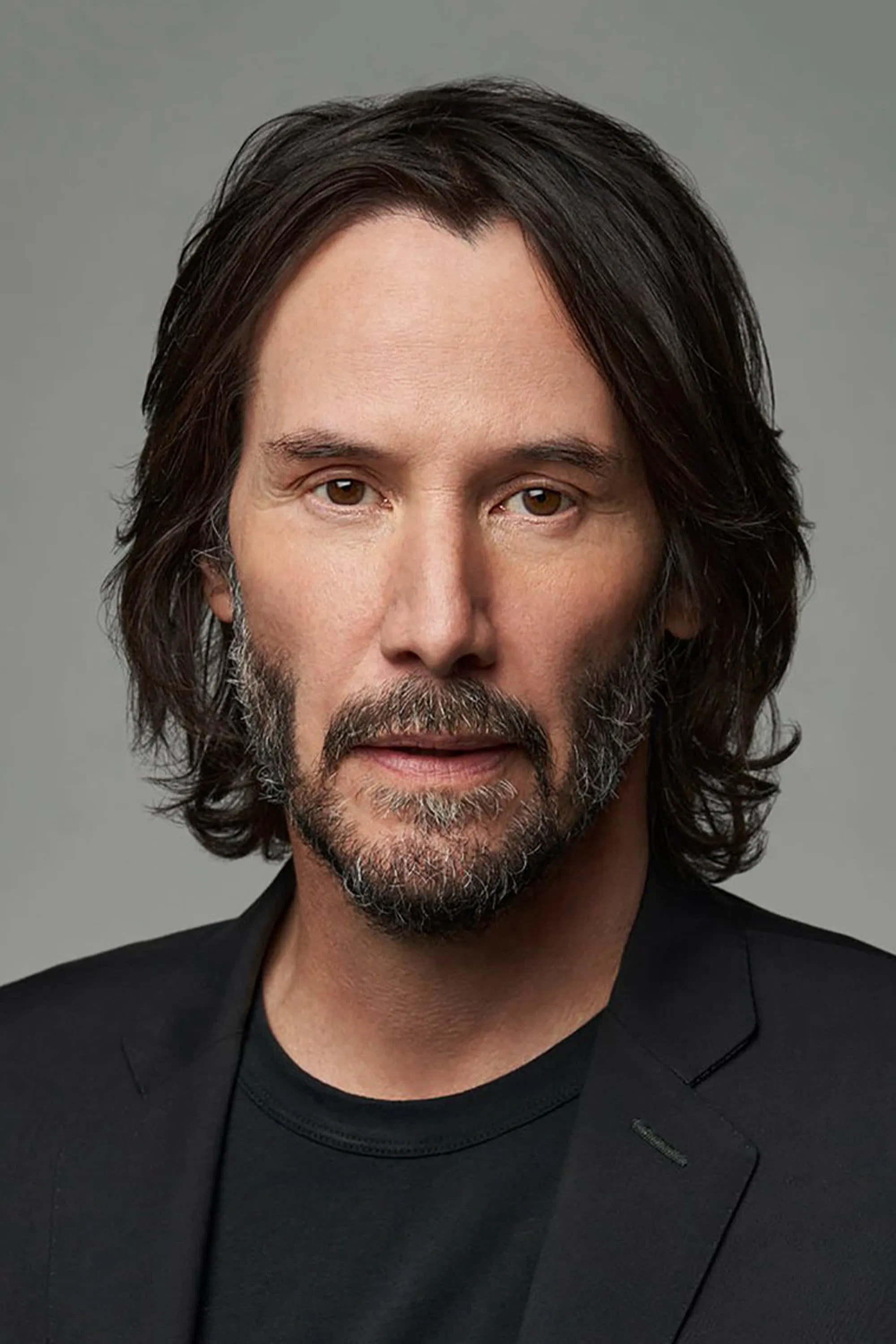

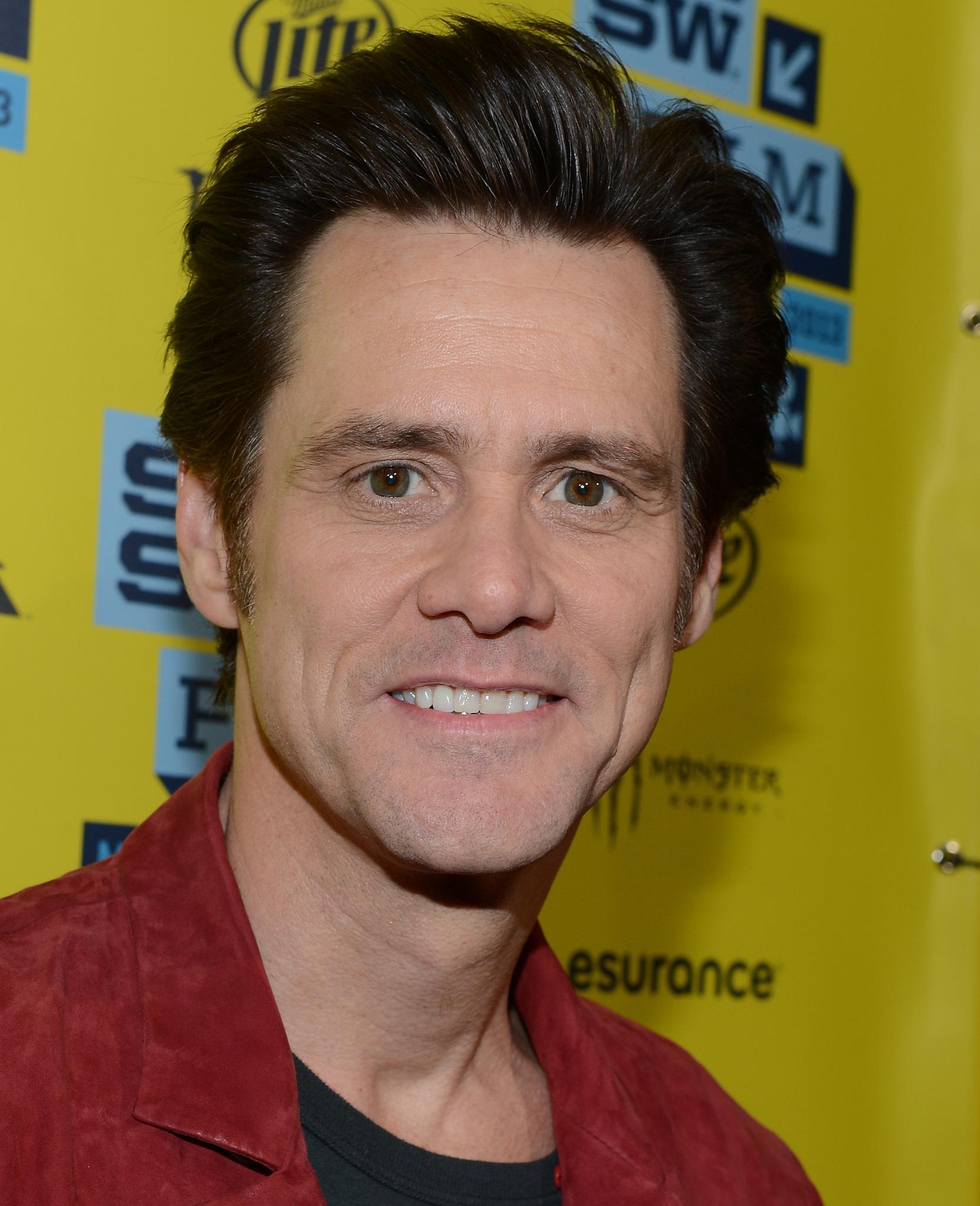
Jim Carrey
Birthdate: January 17, 1962 (64 Years Old)
Birthplace: Newmarket, Ontario, Canada
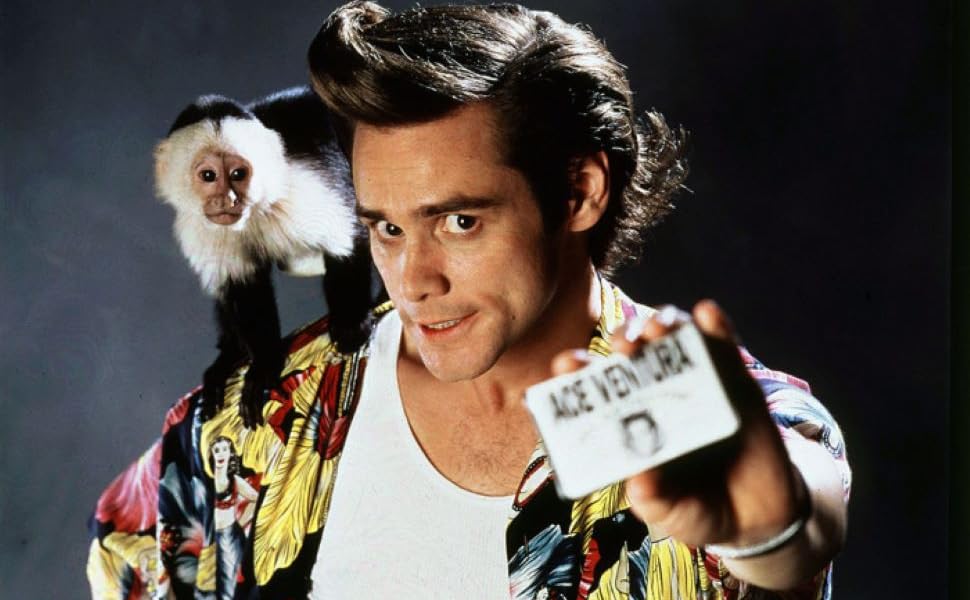
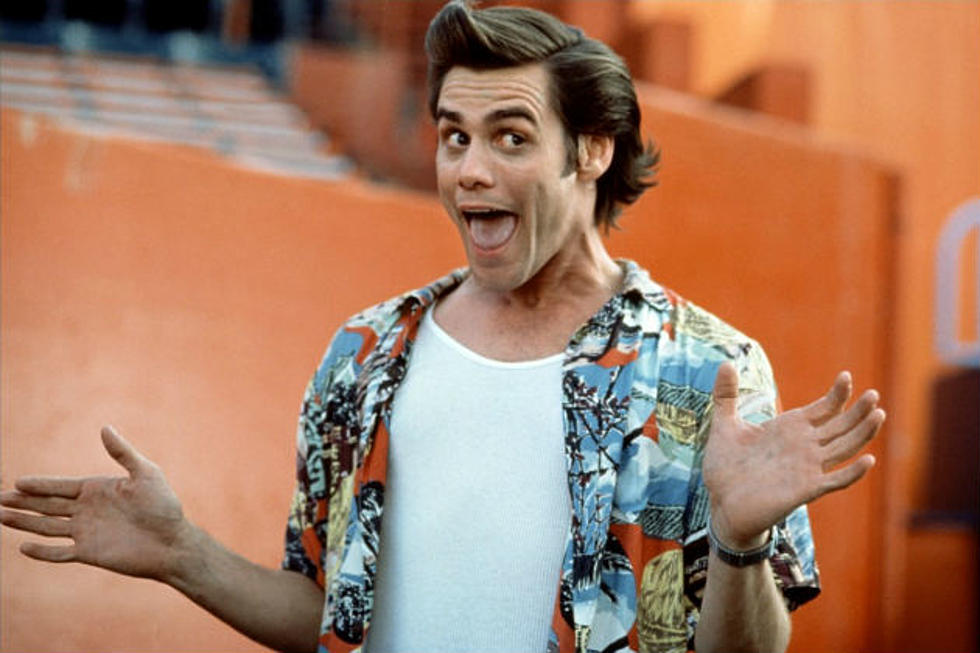
From 1994 and his breakout performance in Ace Ventura: Pet Detective to his turn in Michel Gondry’s Eternal Sunshine of the Spotless Mind in 2004, Jim Carrey (birthname: James Eugene Carrey) was arguably the dominant comedy star in Hollywood. His lanky, rubbery physical presence, over-the-top manner, and persistent taste in depicting stupid guys proved enormously popular and nailed the cultural zeitgeist, but it also risked typecasting Carrey as The Dumb Guy, just as much as he was known as The Cable Guy (1996).
With his acclaimed performance as a man caught in an artificial world in Peter Weir’s The Truman Show (1998), Jim Carrey repositioned himself in a way that few comic movie actors have managed to do before or since. Carrey’s stratospheric rise, after a decade of mainly minor supporting roles (though under such heavyweight directors as Francis Ford Coppola, Richard Lester, and Clint Eastwood), was followed by a steady career decline in the past decade. Carrey made somewhat of a comeback with his well-received, mustache-twirling role in Sonic the Hedgehog 1 (2020) and Sonic the Hedgehog 2 (2022).
Jim Carrey had showbiz aspirations at an early age, 10, when he sent comic queen Carol Burnett his “resume,” claiming that he had mastered many impressions. His family was homeless for a period during his teenage years, and he and his brother John lived for a while in a tent on the shore of Lake Ontario. He left college to develop his chops as a stand-up comic. Enrolled at Agincourt Collegiate Institute (technically a high school), Carrey dropped out to work in a factory and build a stand-up comedy career. His early impression bits tended to bomb, but his more polished act worked better in Toronto clubs. Good reviews landed him work on the Canadian Broadcasting Company, touring with comic Rodney Dangerfield, and, in a move to Los Angeles, gigging at the talent-rich Comedy Store on Sunset Blvd.
Jim Carrey’s early movie appearances alternated with comedy dates, including three auditions and rejections for casting as a regular on Saturday Night Live. Carrey’s first co-starring role was in the vampire comedy Once Bitten (1985) with Lauren Hutton. He landed a regular spot on the hit ensemble comedy series, In Living Color (1990-1994), increasing his visibility, before his breakout hit (which he wrote), Ace Ventura, in 1994.
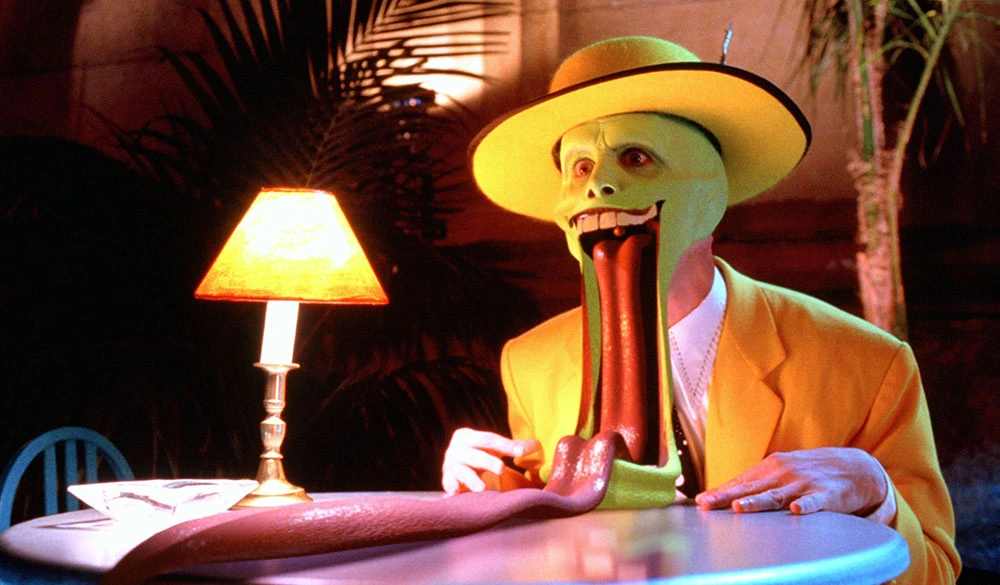
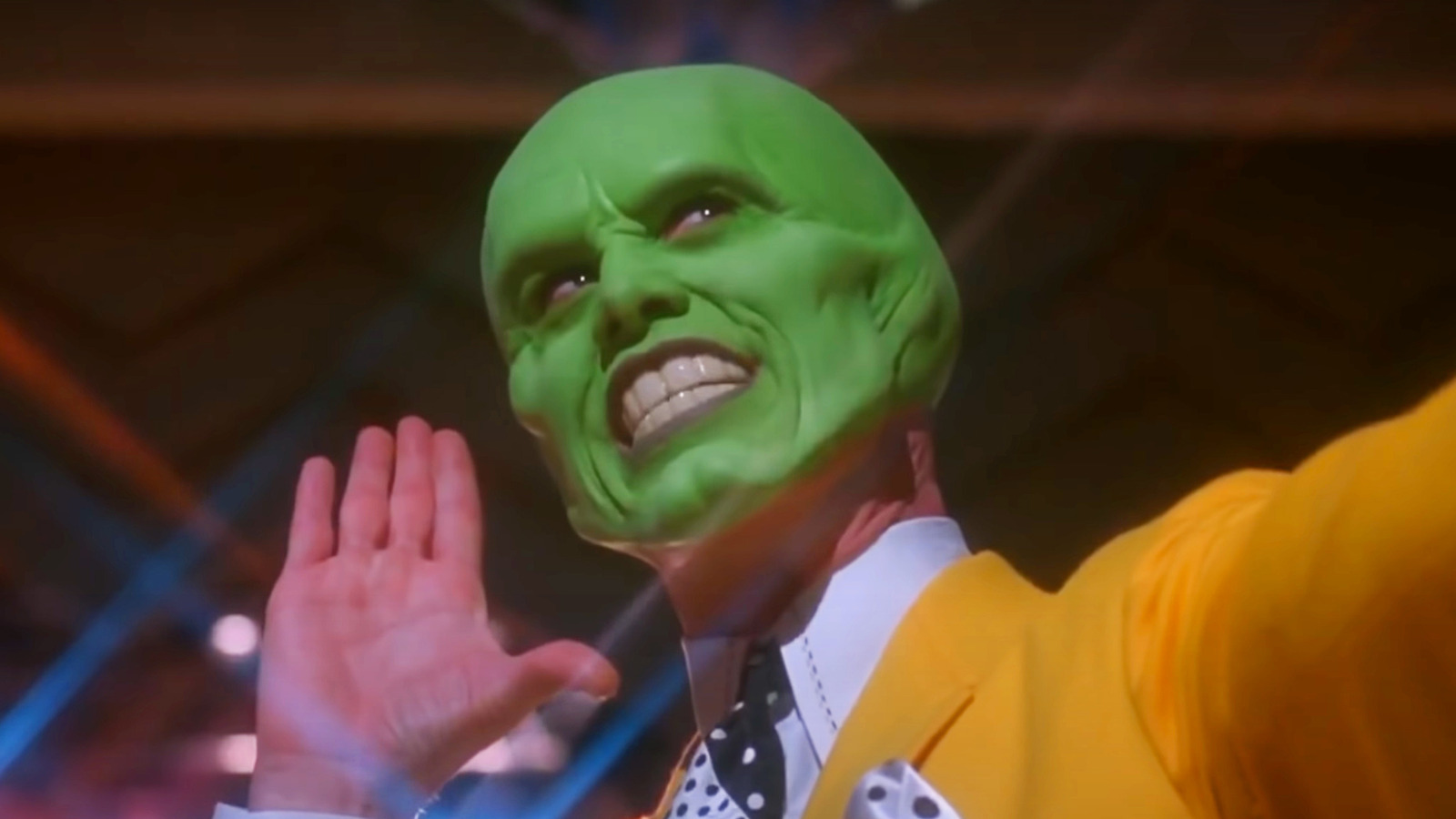
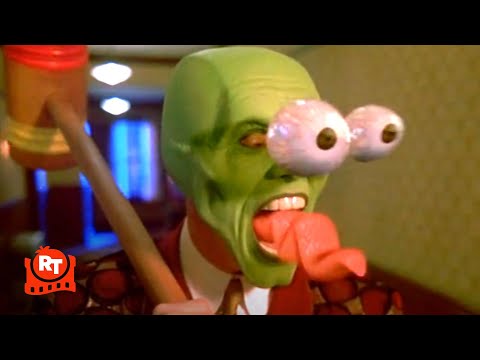
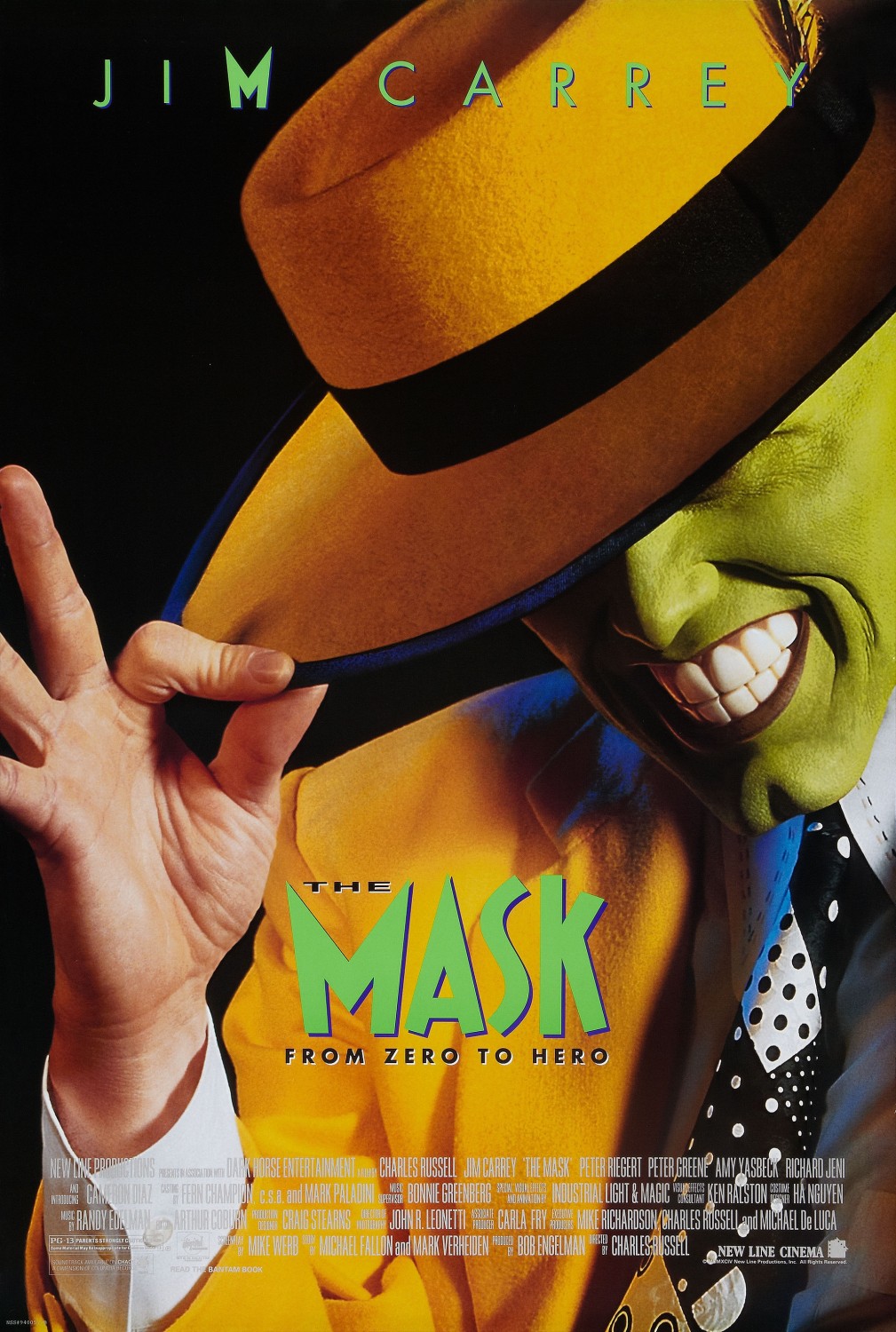
For the next decade, Jim Carrey became the face of a new, starkly over-the-top comedy style that matched the taste of young moviegoers as well as the level of new developments in visual effects, which were first displayed in The Mask (1994), which grossed over $300 million globally. Carrey’s salaries reached unheard-of levels for comic movie stars as one movie after another scored at the box office. These included Dumb and Dumber (1994), his first collaboration with comedy auteurs Peter and Bobby Farrelly; Batman Forever (1995), in which Carrey played an ultra-broad The Riddler; the sequel, Ace Ventura: When Nature Calls (1995), another top earner at the box office.
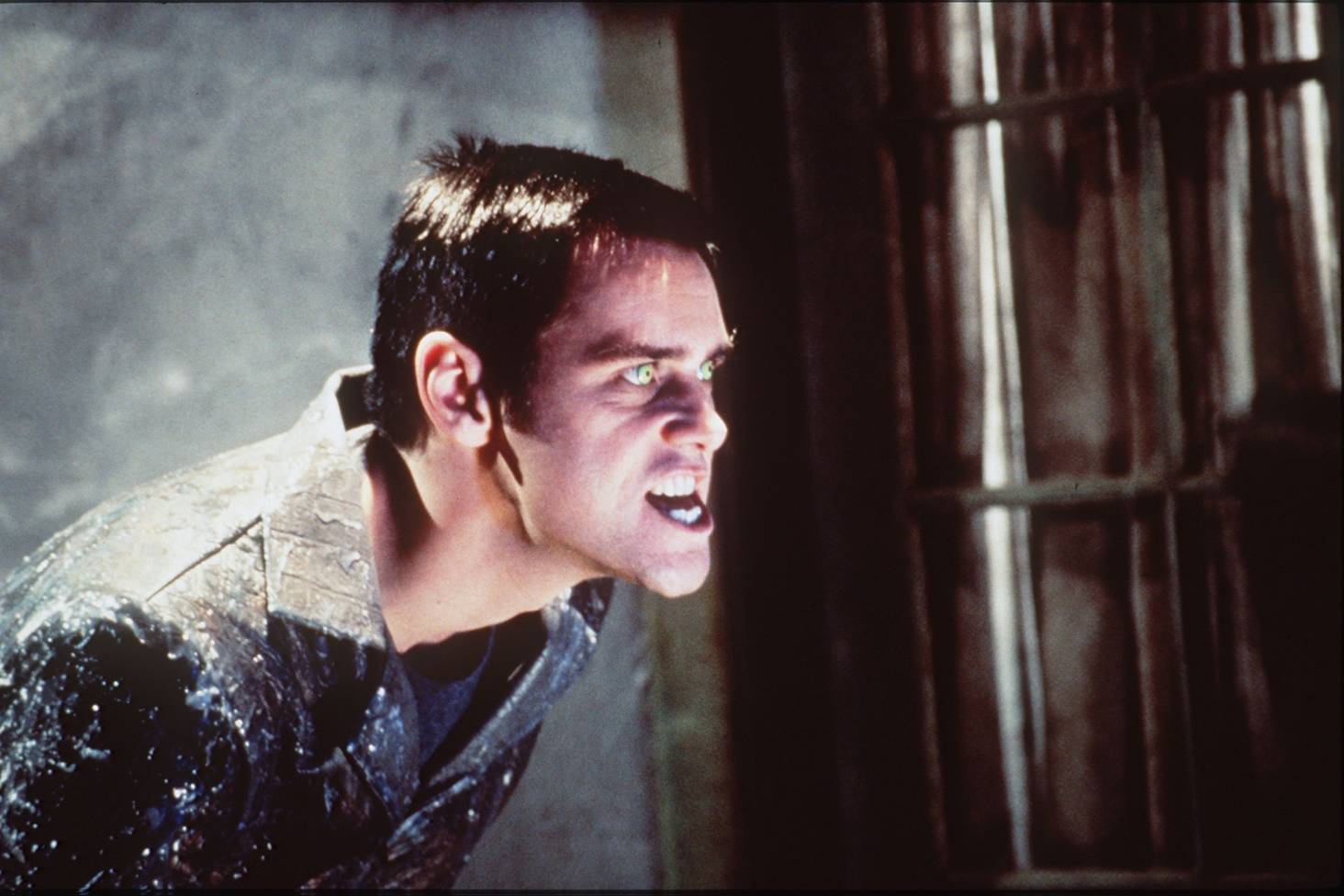
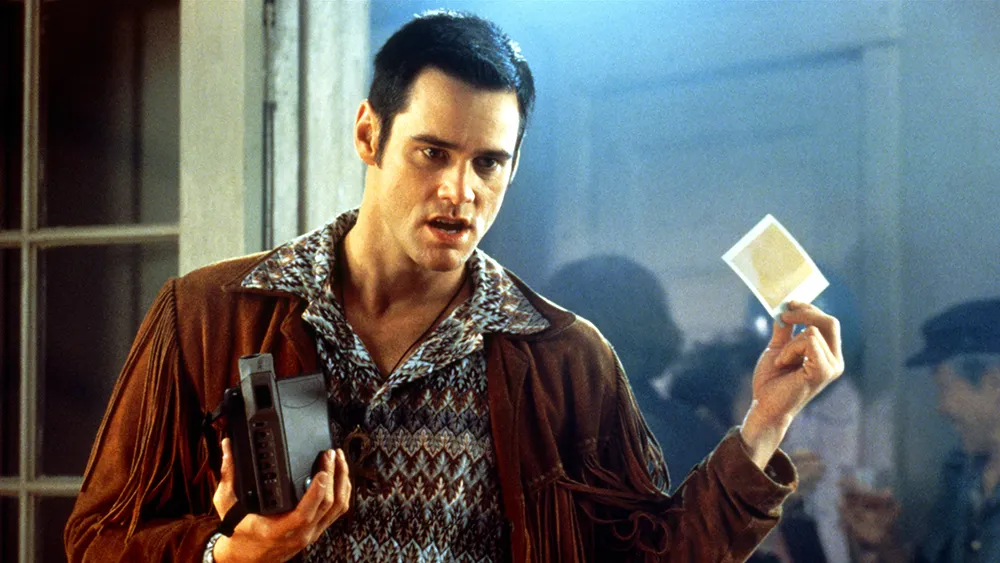
Jim Carrey was one of the first stars to be paid $20 million for a role when he was cast as The Cable Guy (1996), a darker-toned comedy directed by fellow comedian Ben Stiller. It was yet another hit to score in the nine-figure range of the global box office. Perhaps Carrey’s most interesting period began in 1998, with Peter Weir’s The Truman Show, his first major critical hit/award-winner/box office hit ($264 million global). He followed this with his audacious portrayal of the outrageous and original comic Andy Kaufman, in Milos Forman’s Man on the Moon (1999).
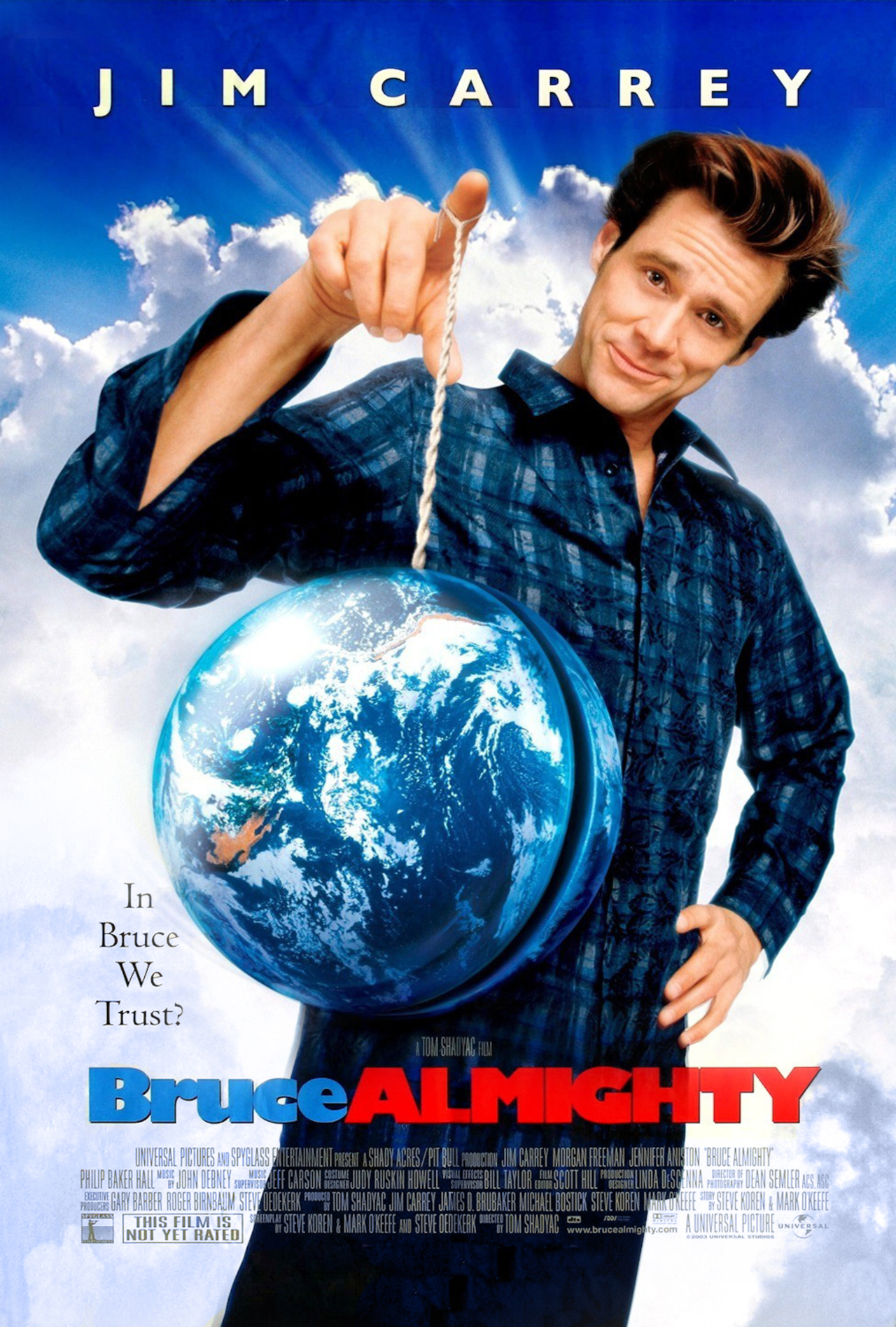
Jim Carrey’s box-office streak continued into the new century, with a chain of hit comedies: The Farrelly’s Me, Myself & Irene (2000); How The Grinch Stole Christmas (one of the all-time top-earning Christmas movies, in 2000); and Bruce Almighty (2003), a mega-hit scoring nearly $ ½ billion worldwide. Carrey capped this, and his career, in a beautifully shaded performance opposite Kate Winslet in Michel Gondry’s extraordinary surrealist romance, Eternal Sunshine of the Spotless Mind (2004), for which he received BAFTA and Golden Globe acting nominations.
2008 proved to be another excellent year for Jim Carrey and audiences, who turned out for both Dr. Seuss's animated feature, Horton Hears a Who! (in which Carrey did voice work) And Yes Man, another high-concept comedy that earned over $200 million worldwide. Carrey’s box-office streak ended, but on a classy note, with the off-kilter drama, I Love You, Phillip Morris (2009), with Ewan McGregor. An attempt at stoking the old Carrey magic failed with the kid-friendly Mr. Popper’s Penguins (2011) and opposite Steve Carell in the dud Vegas comedy, The Incredible Burt Wonderstone (2013).
Jim Carrey has authored a children’s book, How Roland Rolls, and, in 2020, a critically acclaimed memoir fashioned as fiction, Memoirs and Misinformation, co-written with Canadian novelist Dana Vachon. 2020 was also the year that Carrey enjoyed something of a box-office comeback as the villain in Sonic the Hedgehog 1, followed by the sequel, Sonic the Hedgehog 2 (2022). During the publicity tour for this movie, the 60-year-old Carrey announced his retirement from film acting.
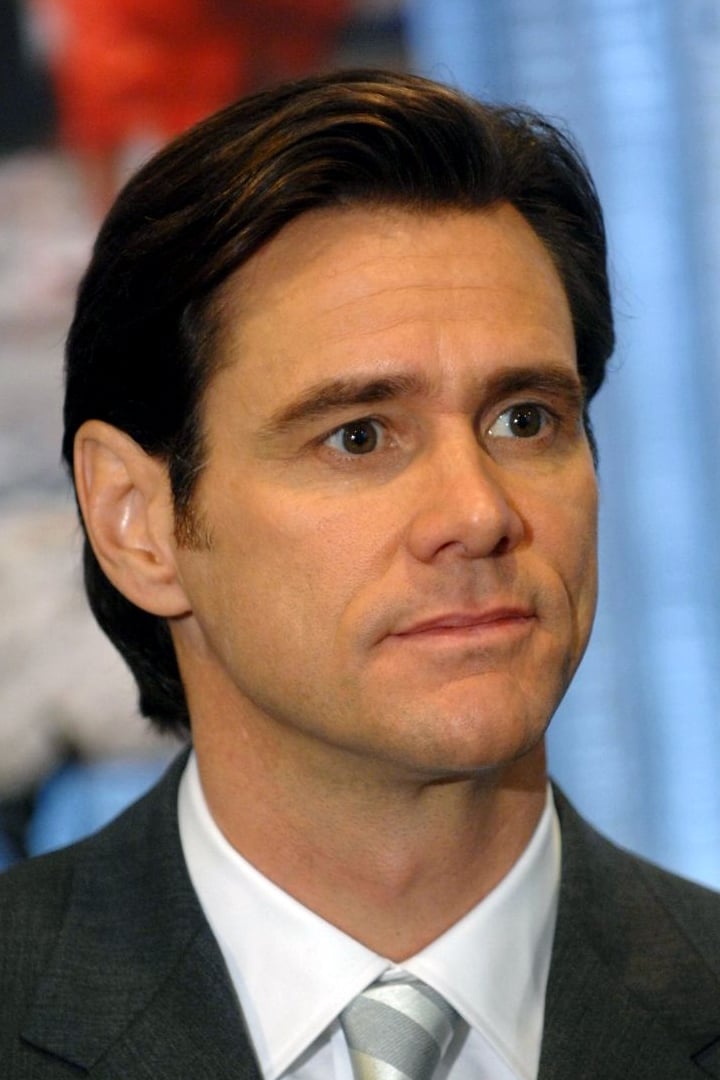
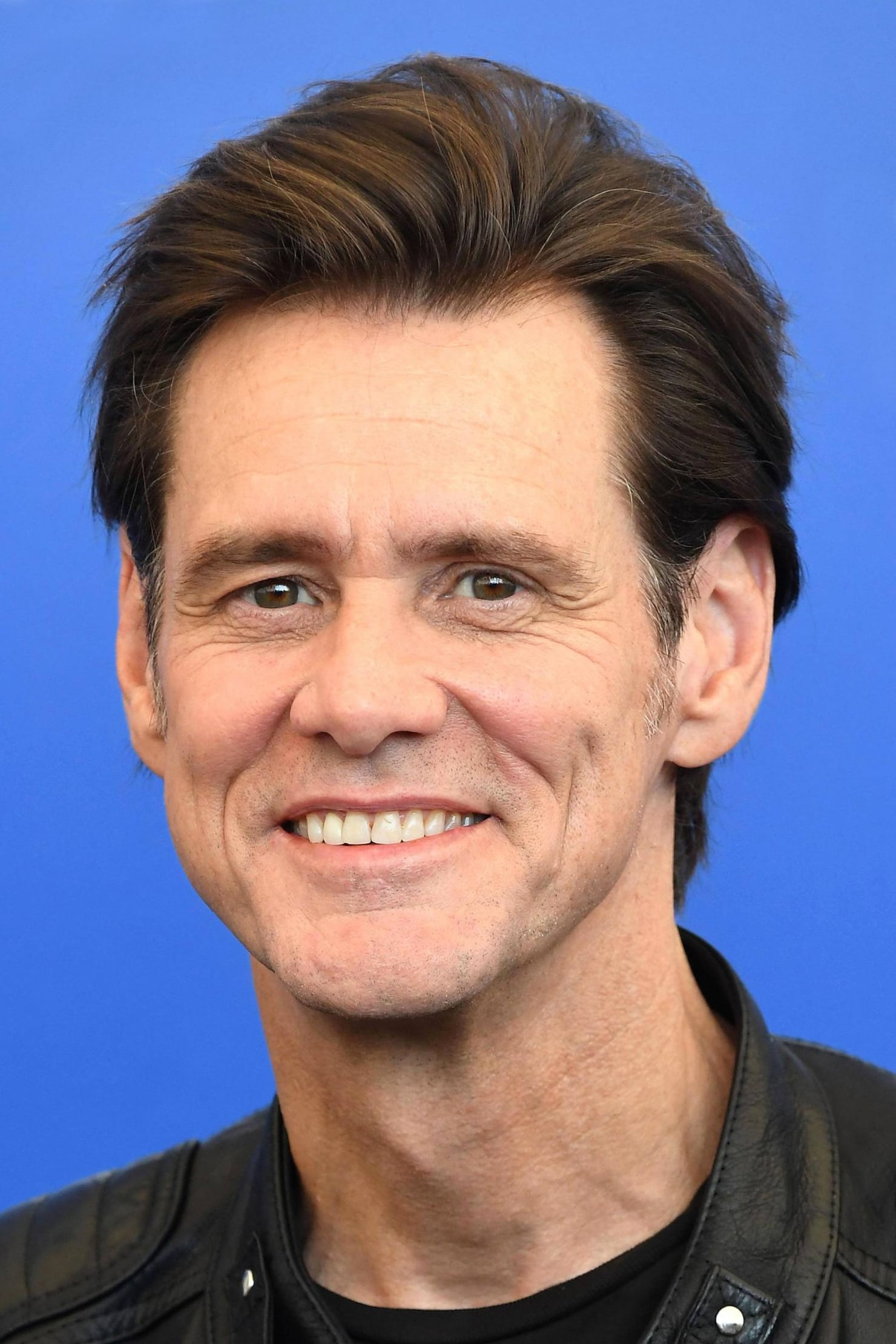
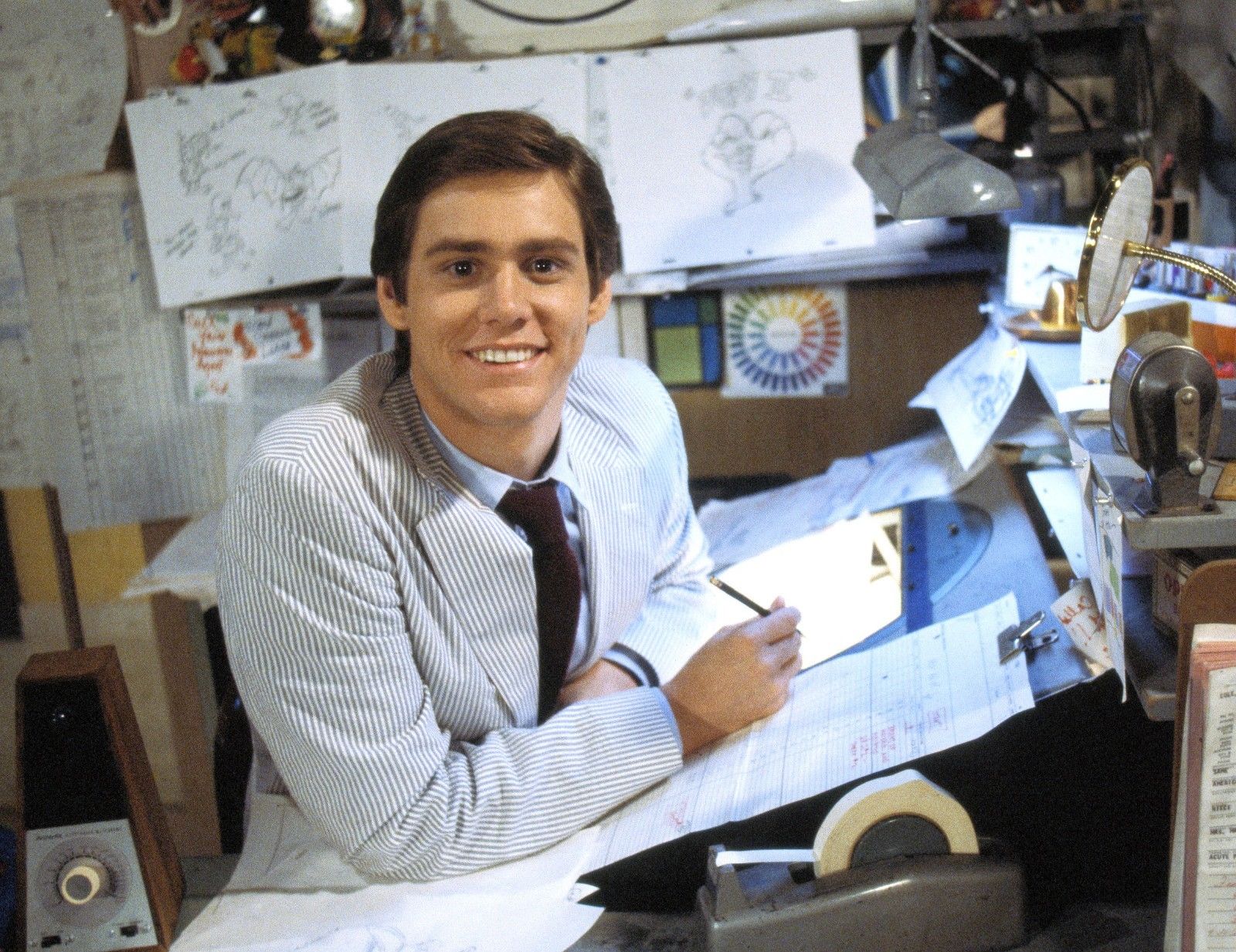
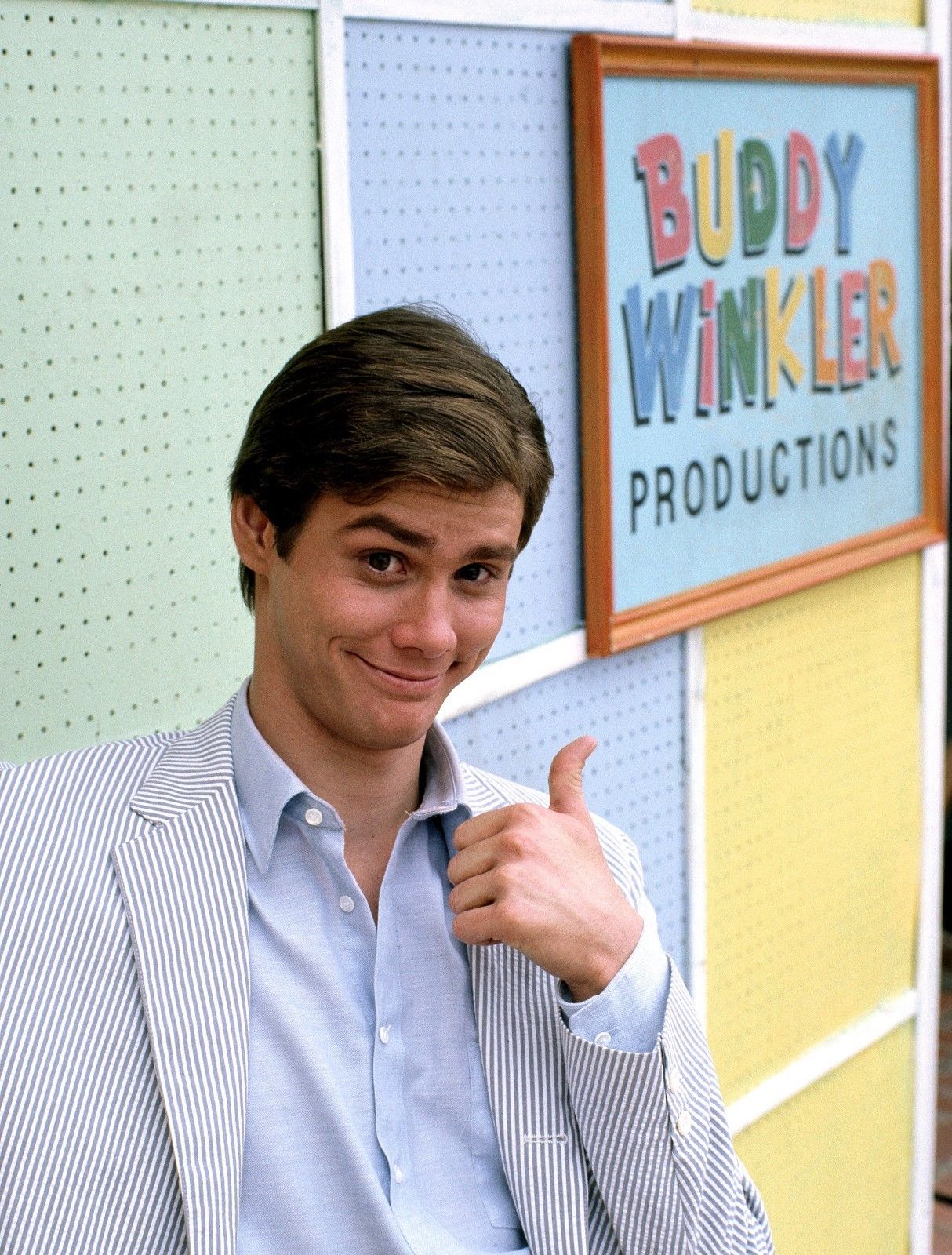
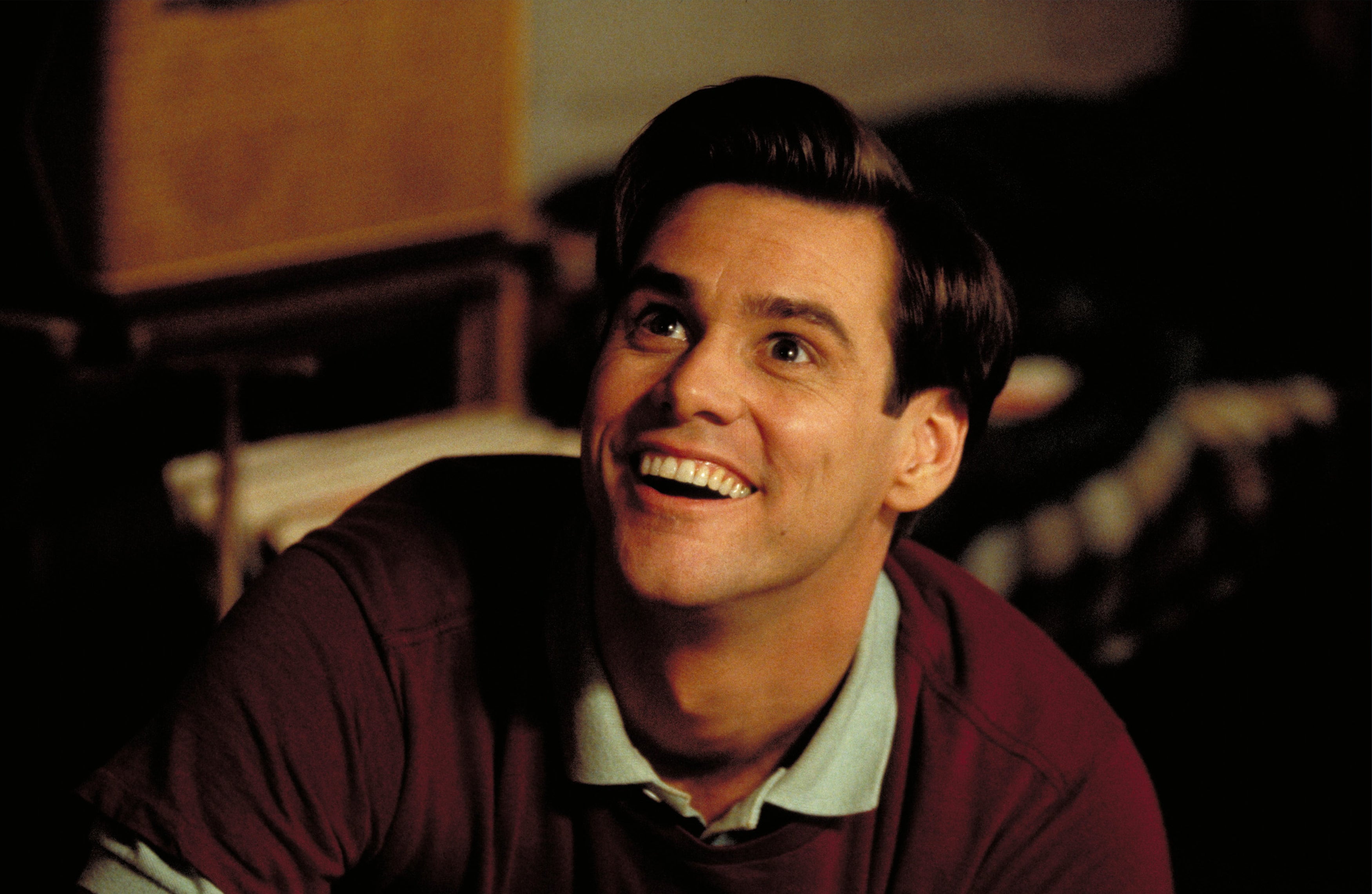
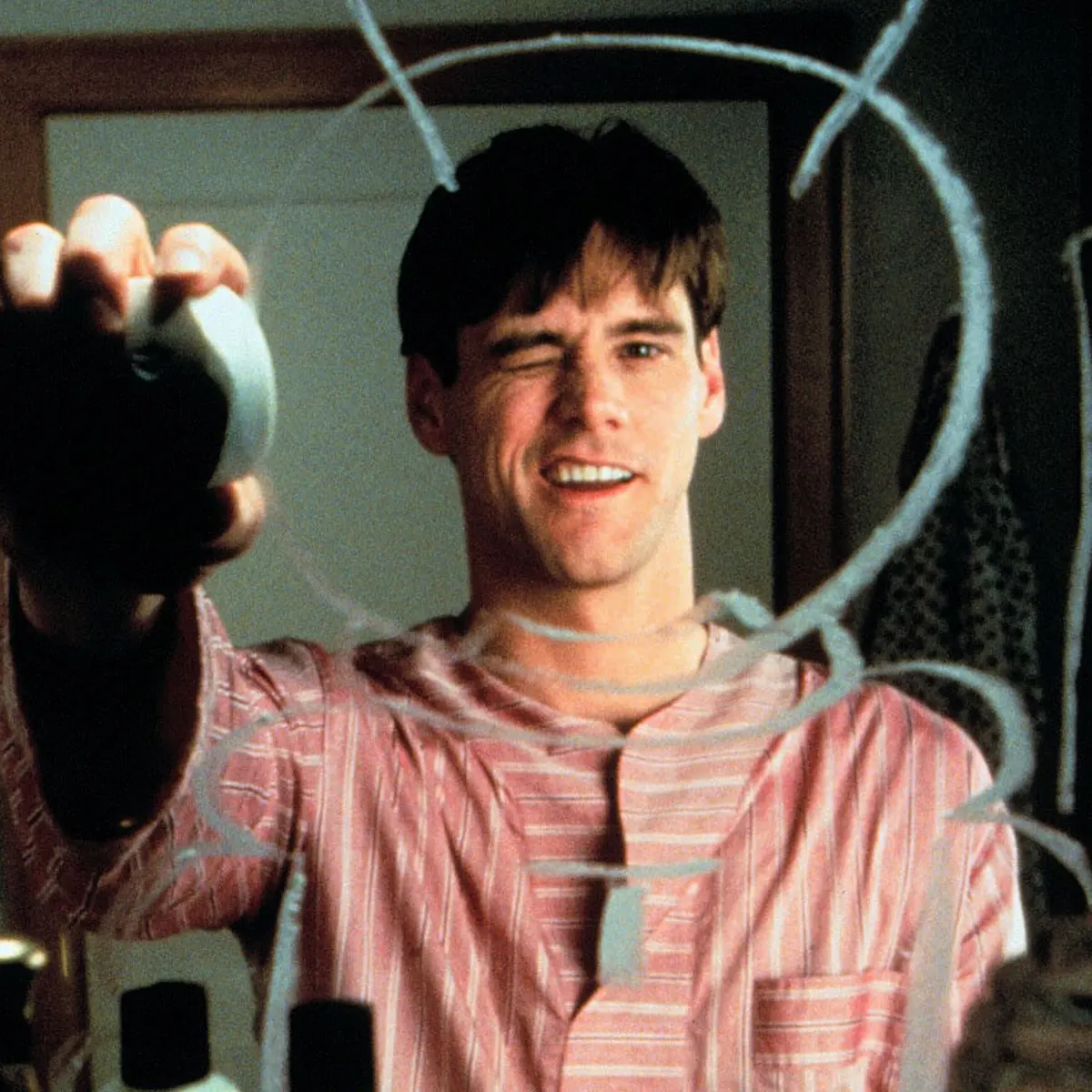
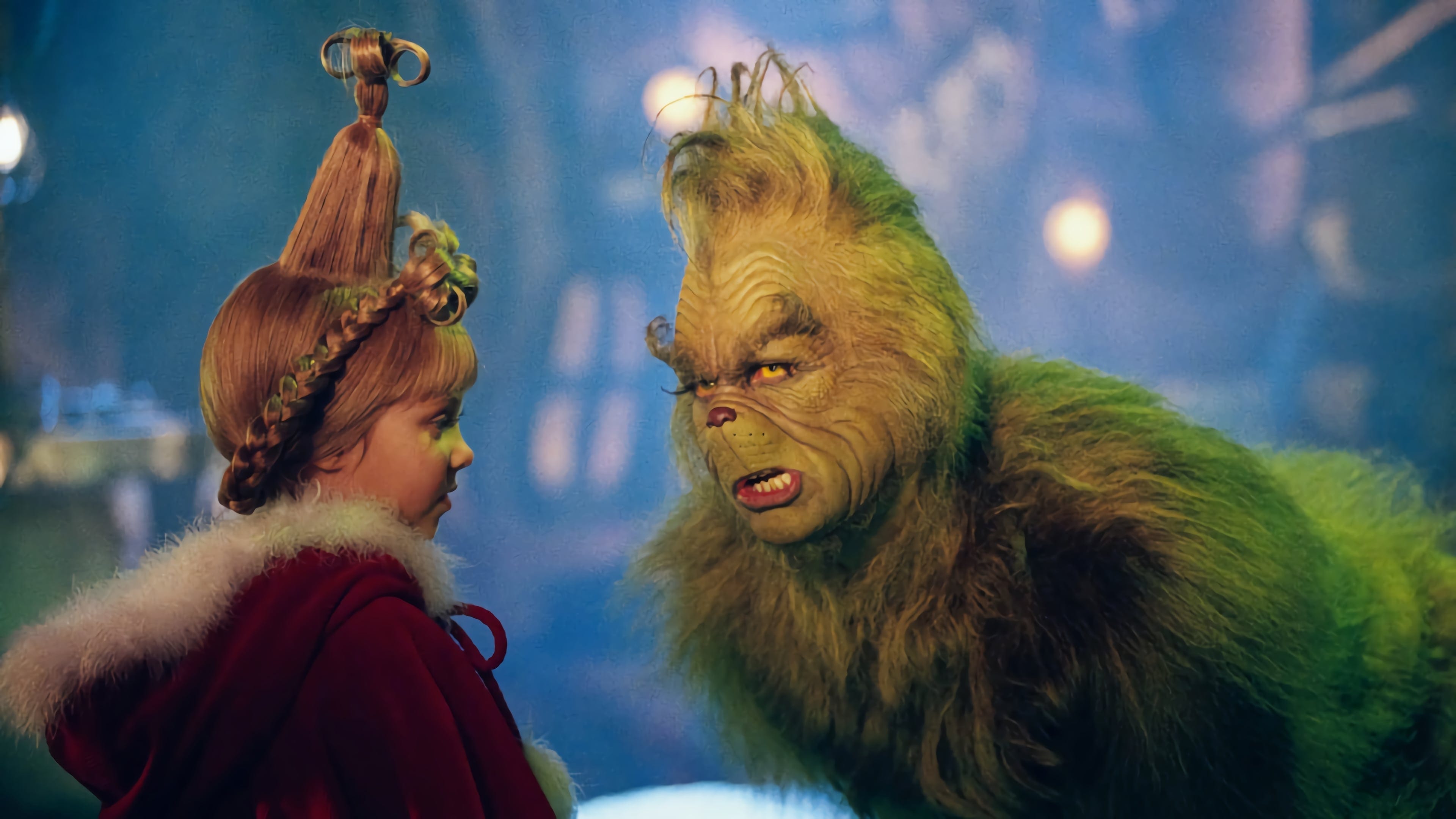
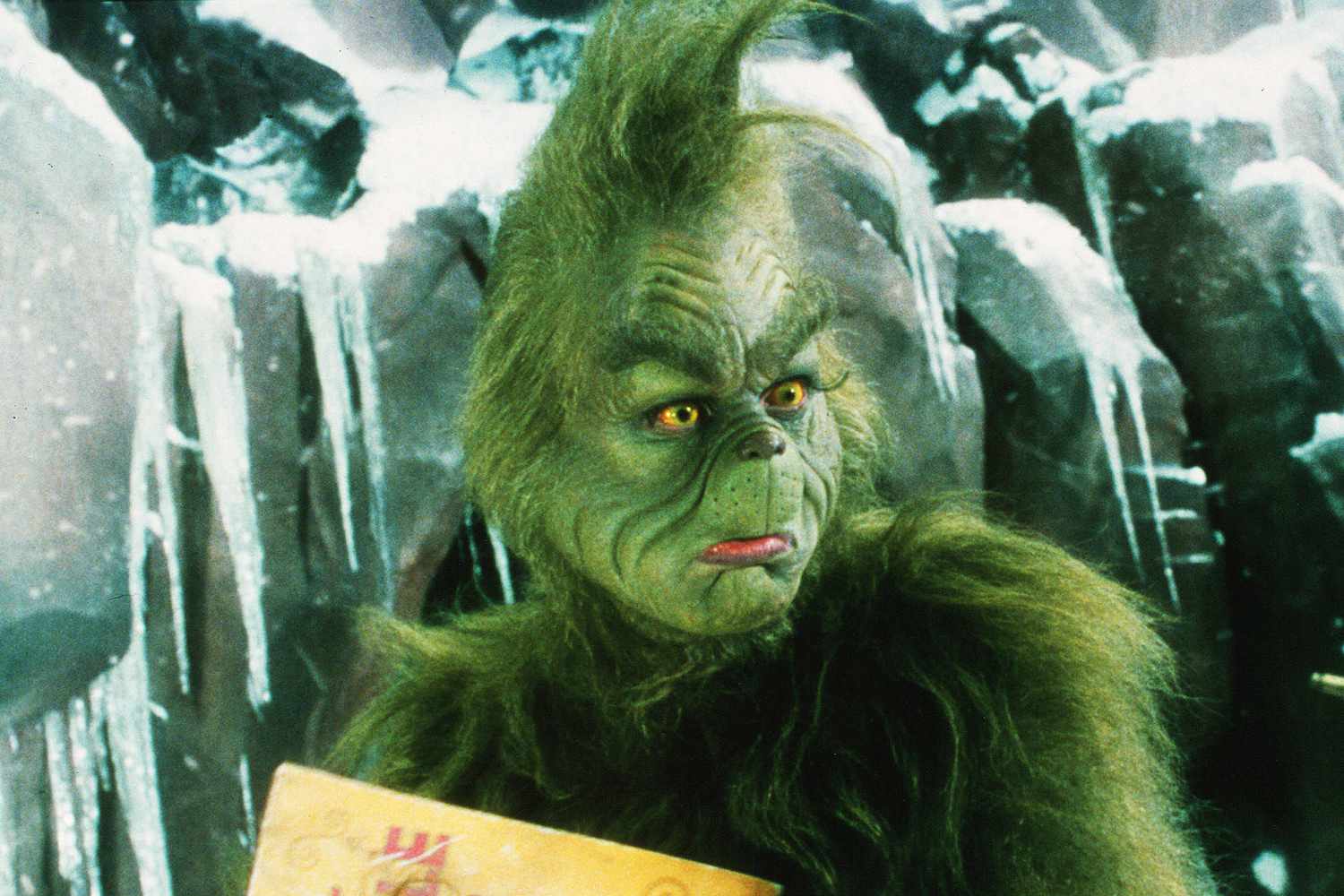
Jim Carrey Photos and Videos





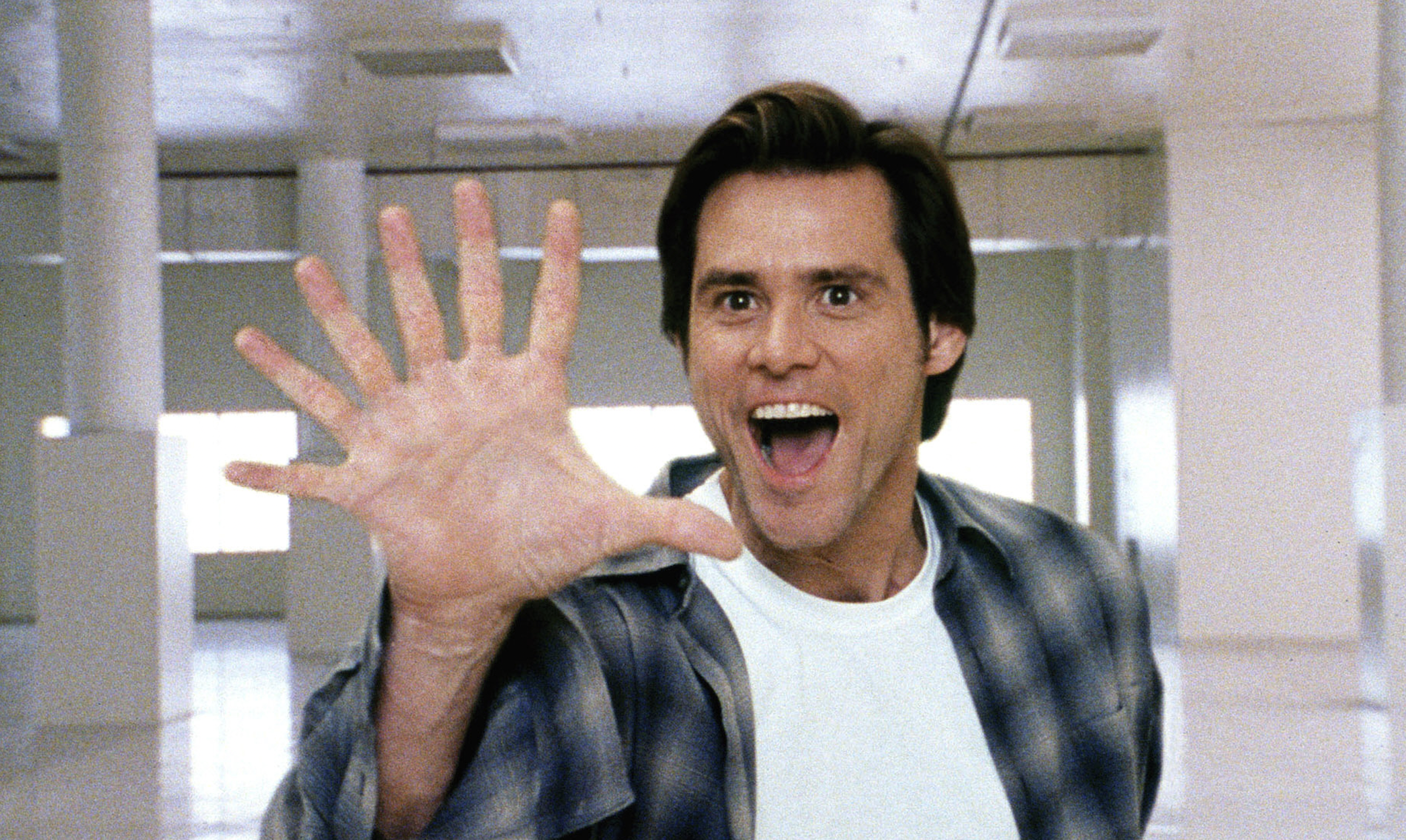
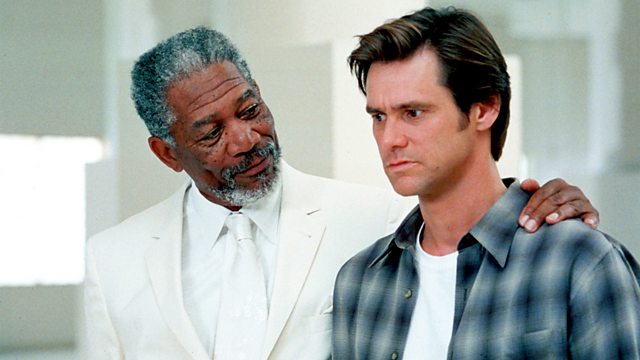
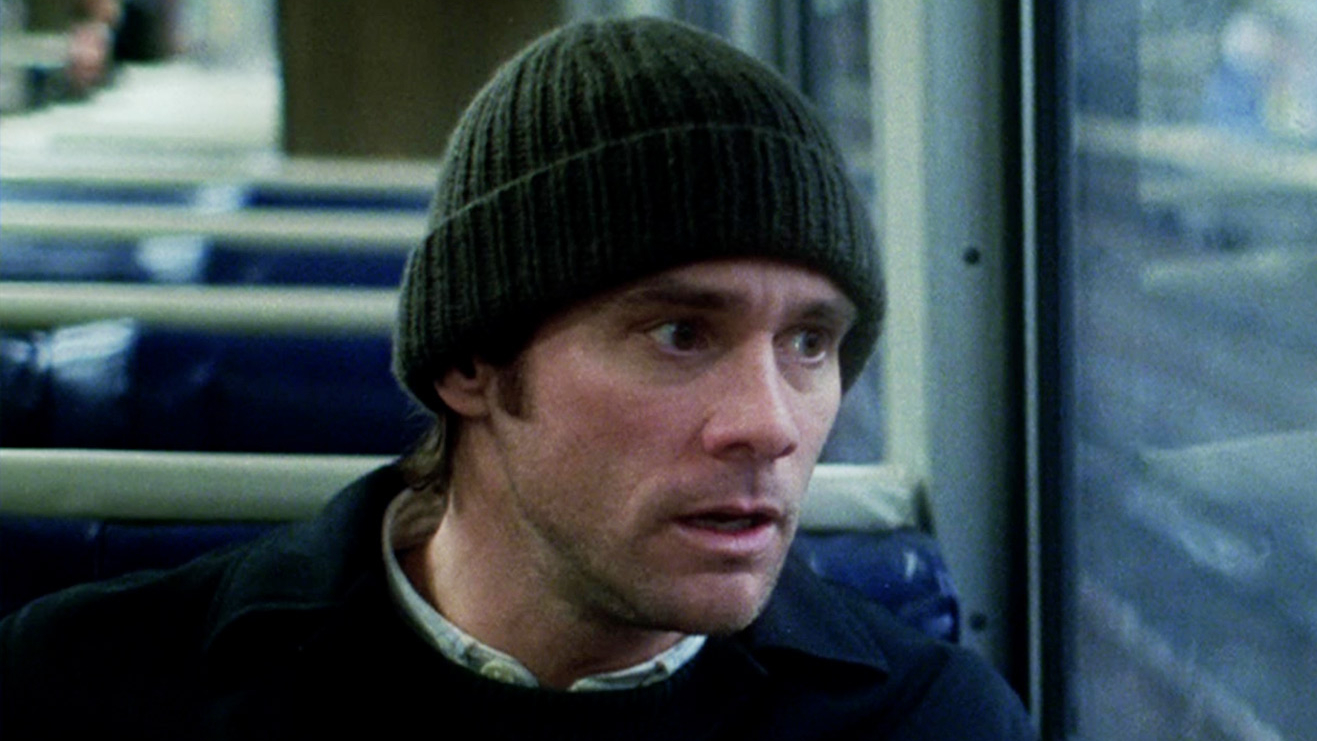
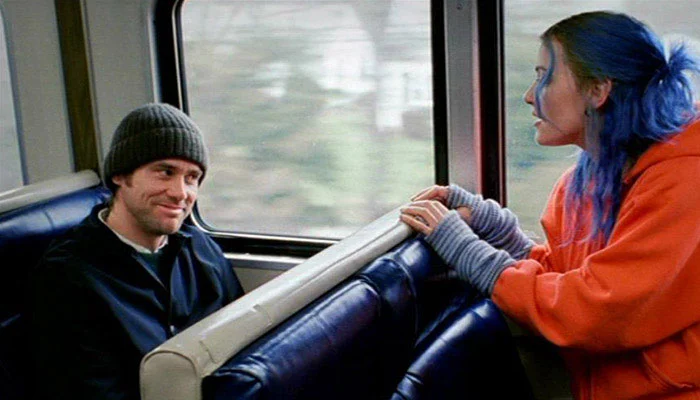





Personal life
Awards
Winner, Best Actor Motion Picture Musical or Comedy, Golden Globes Awards (1999); Winner, Best Actor Motion Picture Drama, Golden Globe Awards (2000); Nominee, Best Actor, Screen Actors Guild Awards (2000); Canadian Walk of Fame inductee (2005); Nominee, Best Actor, BAFTA Awards (2005);
Jim Carrey Movies
Actor
Upcoming (1)
- 2027 |
Sonic the Hedghog 4
asDr. Robotnik
Sonic the Hedgehog, accompanied by a new heroine named Amy, faces a new technological rival known as Metal Sonic.
Previous (26)
- 2024 |
Sonic the Hedgehog 3
asIvo Robotnik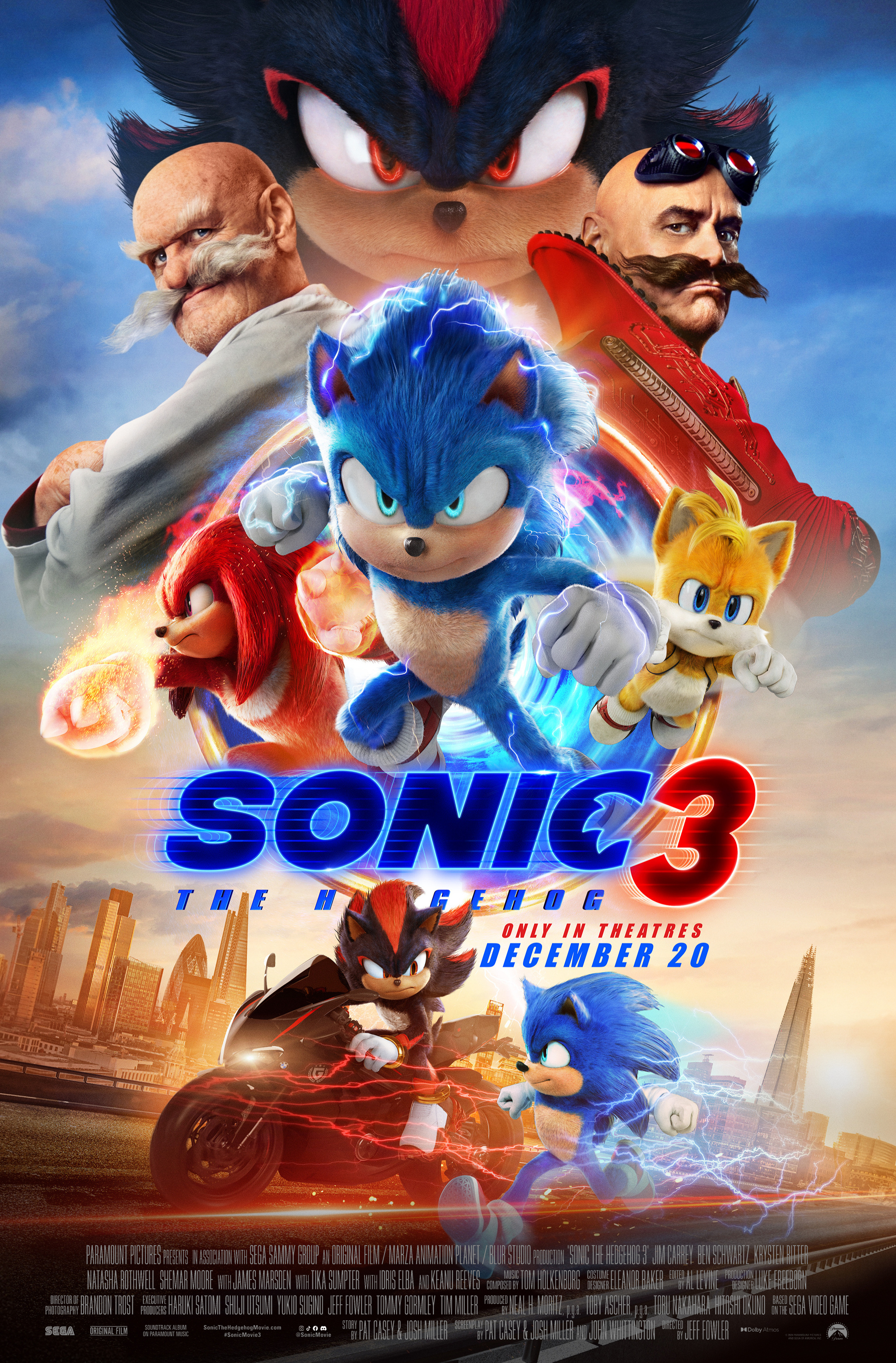
Sonic, Knuckles, and Tails reunite against a powerful new adversary, Shadow, a mysterious villain with powers unlike anything they have faced before. With their abilities outmatched, Team Sonic must seek out an unlikely alliance.
- 2022 |
Sonic the Hedgehog 2
asDr. Robotnik
When Dr. Robotnik returns with a new partner, Knuckles, in search of an emerald that has the power to destroy civilizations, Sonic teams up with his own sidekick, Tails, on a journey across the world to find the emerald first.
- 2020 |
Sonic the Hedgehog
asDr. Robotnik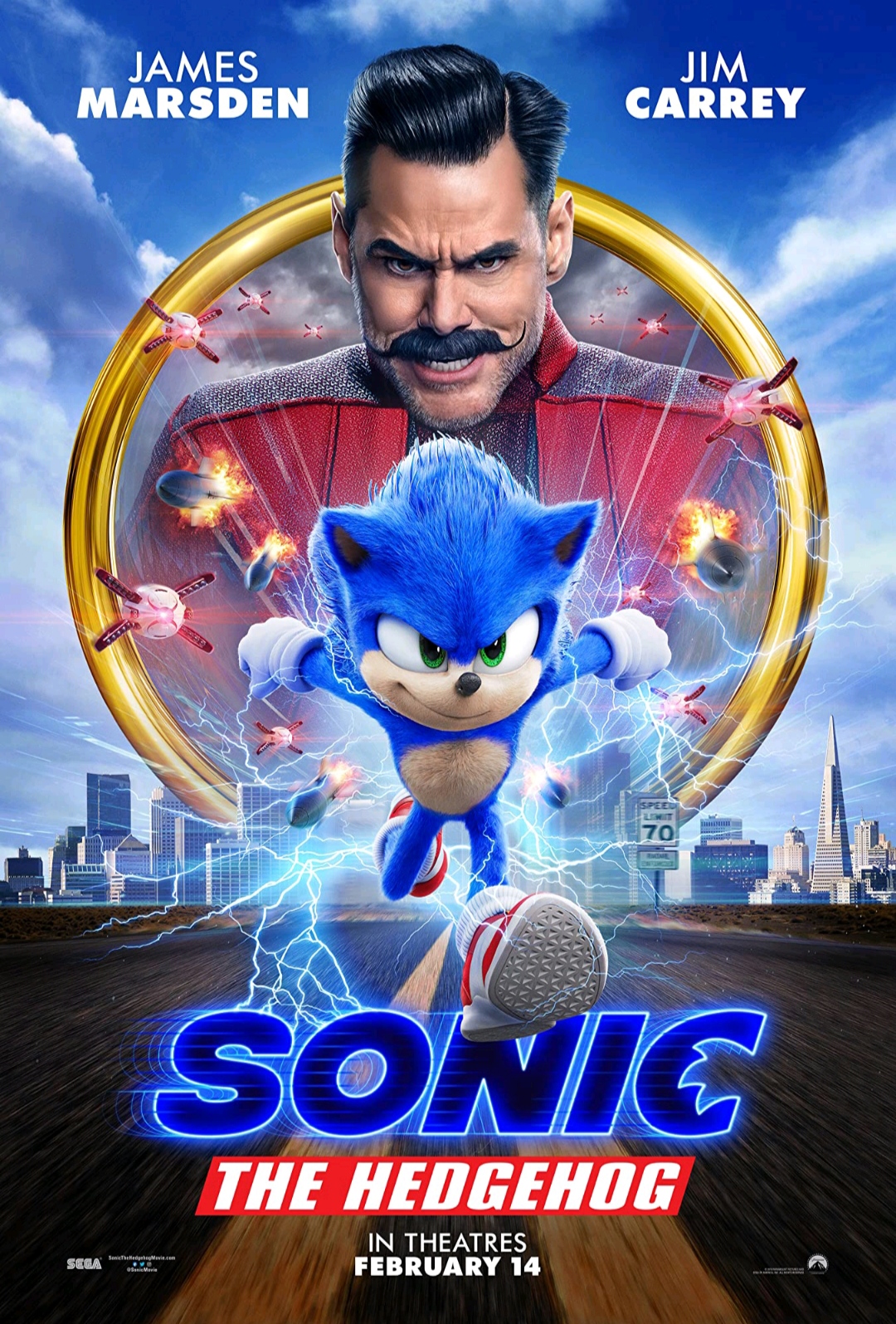
Taking refuge on Earth, when Sonic uses his incredible speed and accidentally knock out the power in part of the United States, he catches the attention of Dr. Robotnik and must stop him from using his unique power for world domination.
- 2019 |
Kathy Griffin: A Hell of a Story
asSelf - Comedian, Actor
Kathy Griffin: A Hell of a Story
Comedian Kathy Griffin performs a new set in the aftermath of the fallout she experienced due to a controversial Donald Trump-inspired photo shoot that threatened to end her career.
- 2017 |
- 2014 |
Dumb and Dumber To
asLloyd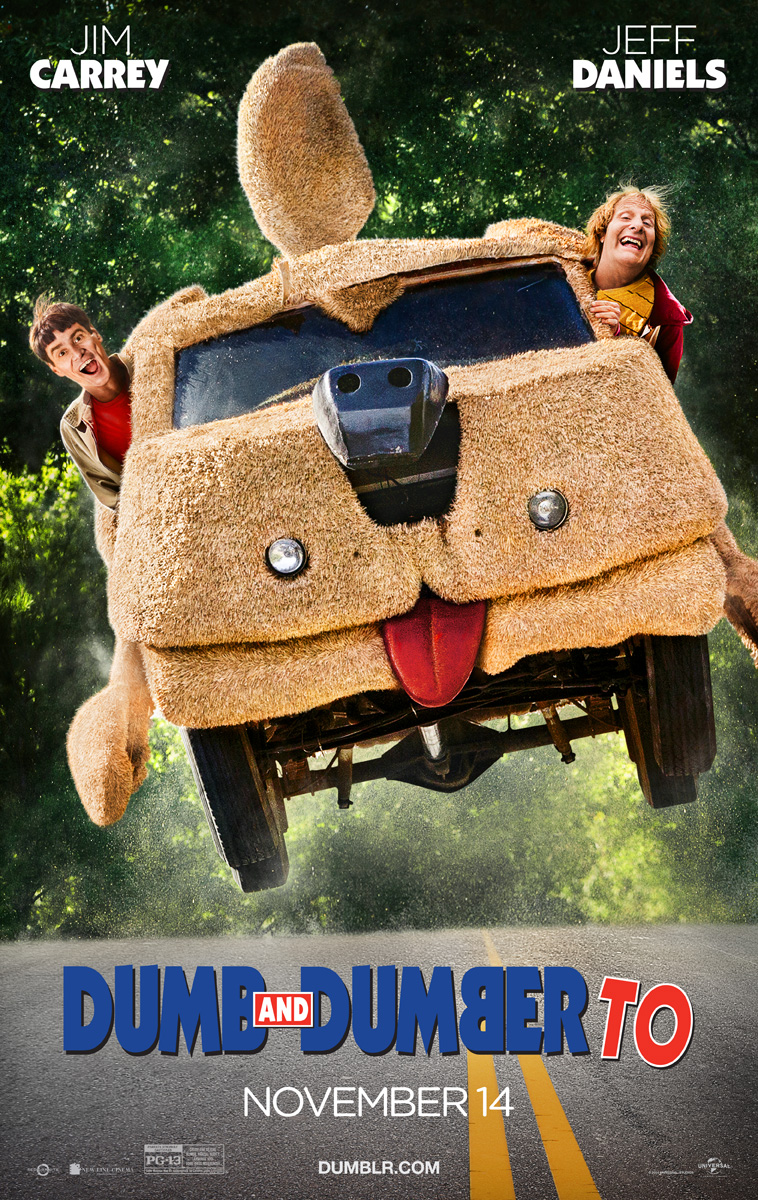
20 years since their first adventure, Lloyd and Harry go on a road trip to find Harry's newly discovered daughter, who was given up for adoption.
- 2013 |
The Incredible Burt Wonderstone
asSteve Gray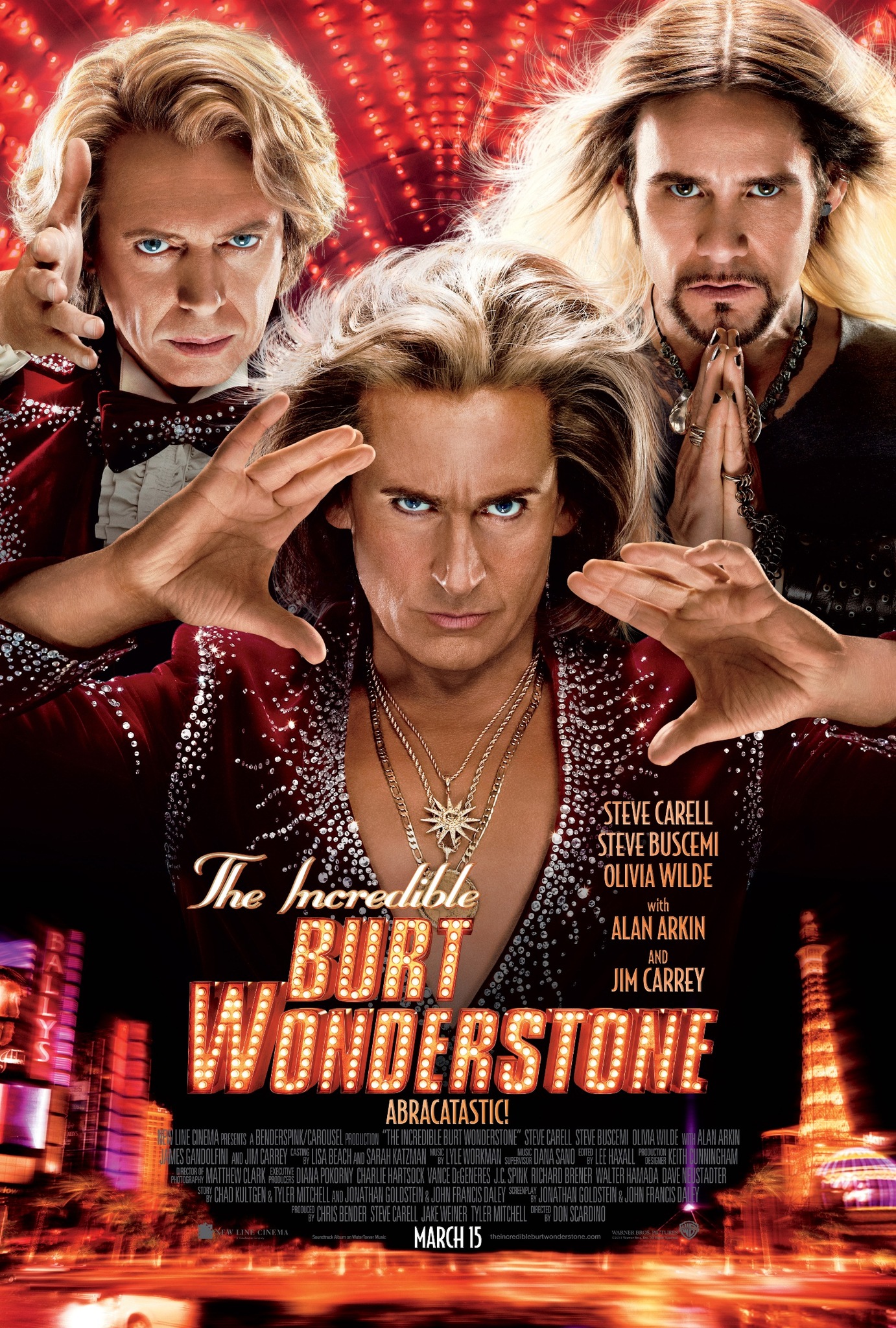
The Incredible Burt Wonderstone
A veteran Vegas magician tries to revive his career after his longtime partner quits, he gets fired from his casino act, and an edgy new "street magician" steals his thunder.
- 2013 |
Kick-Ass 2
asColonel Stars and Stripes
Following Kick-Ass' heroics, other citizens are inspired to become masked crusaders, but Red Mist leads his own group of evil super-villains to get revenge, kill Kick-Ass, and destroy everything he stands for.
- 2009 |
Under the Sea 3D
asNarrator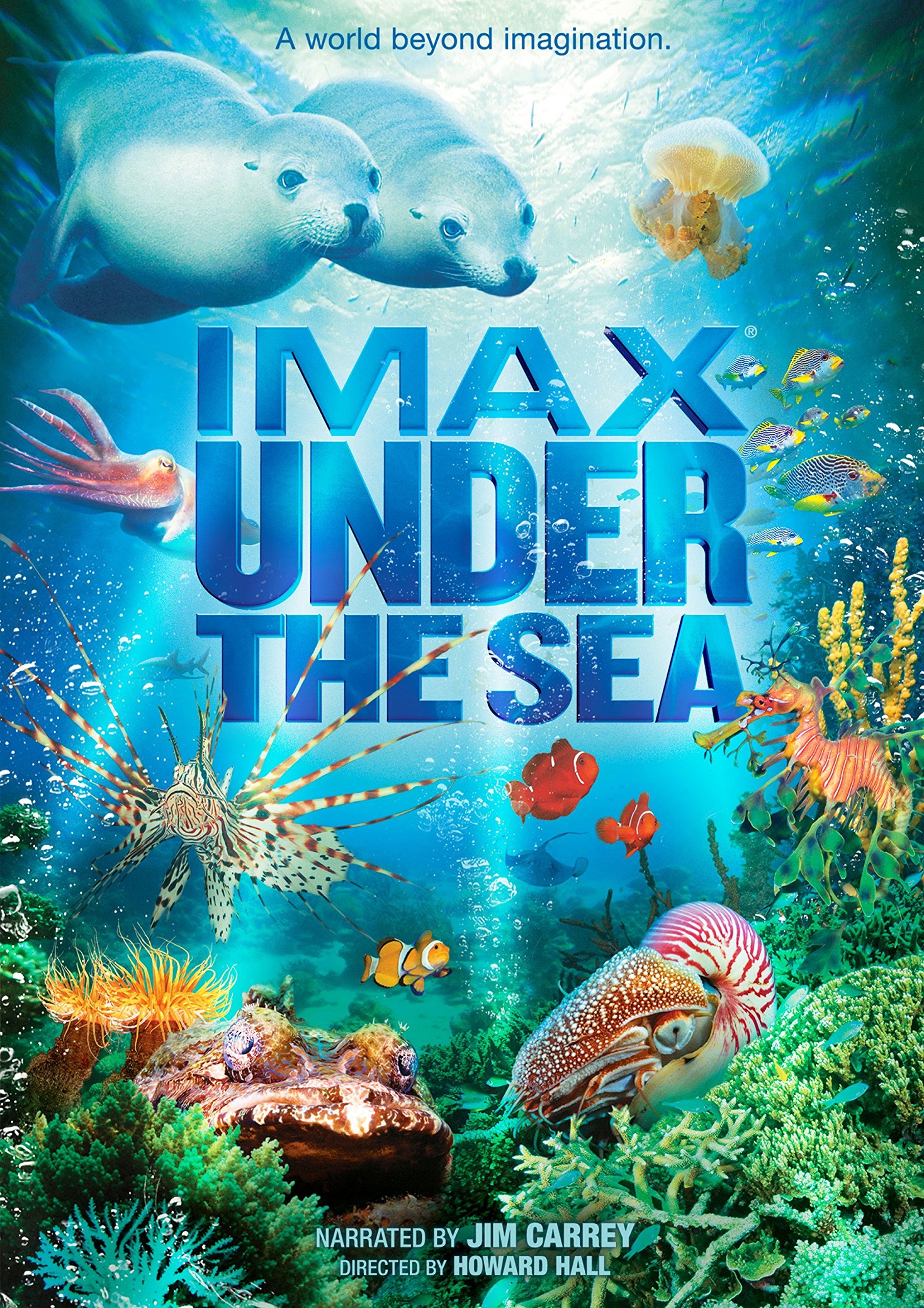
An underwater look at the diverse coastal regions of Southern Australia, New Guinea and the Indo-Pacific areas and the impact of global warming on the oceans.
- 2009 |
A Christmas Carol
asScrooge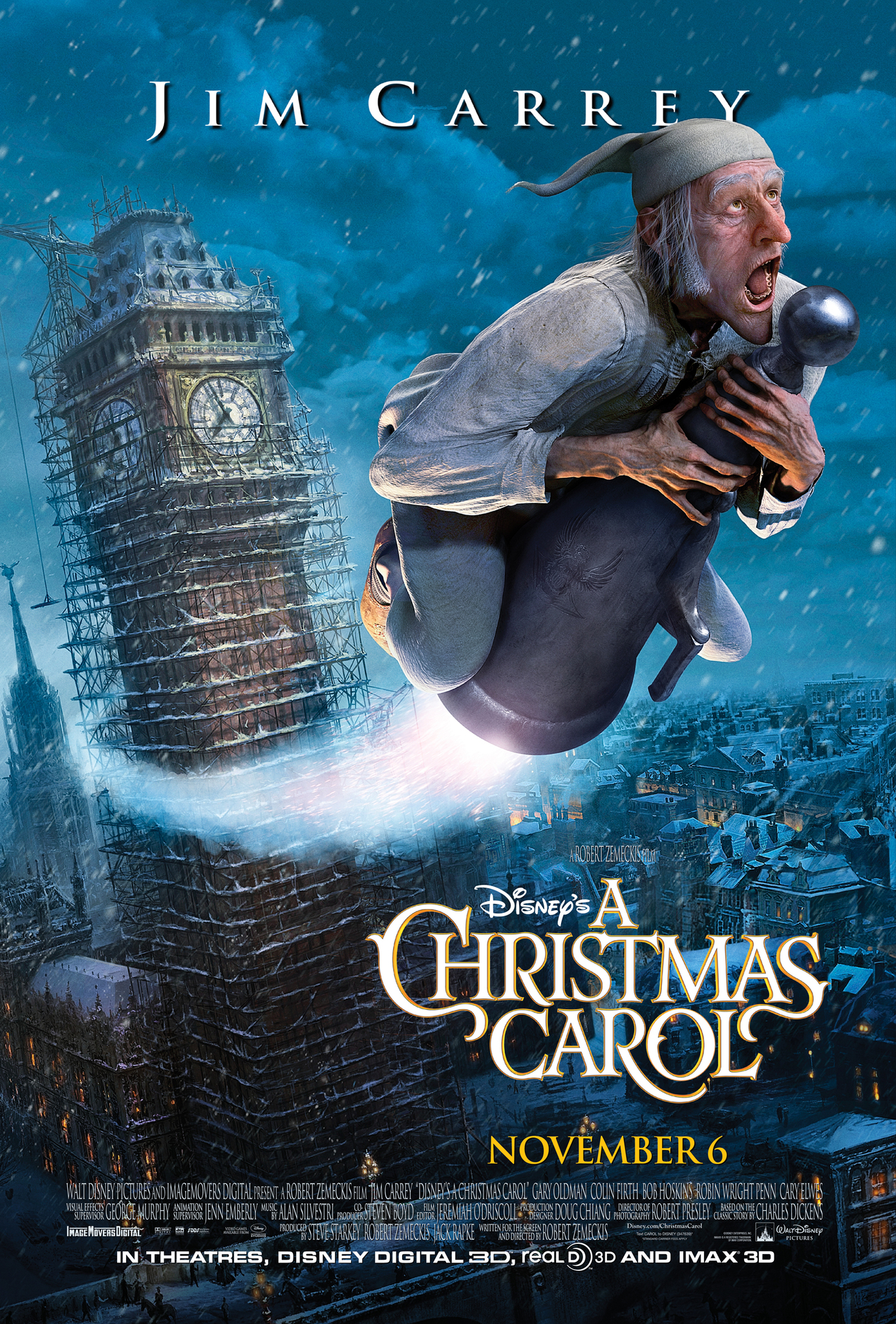
Ebenezer Scrooge, a miserly old moneylender, is visited by three Christmas spirits on Christmas Eve. Scrooge embarks on a journey of self-redemption to mend his miserly ways
- 2008 |
Horton Hears a Who!
asHorton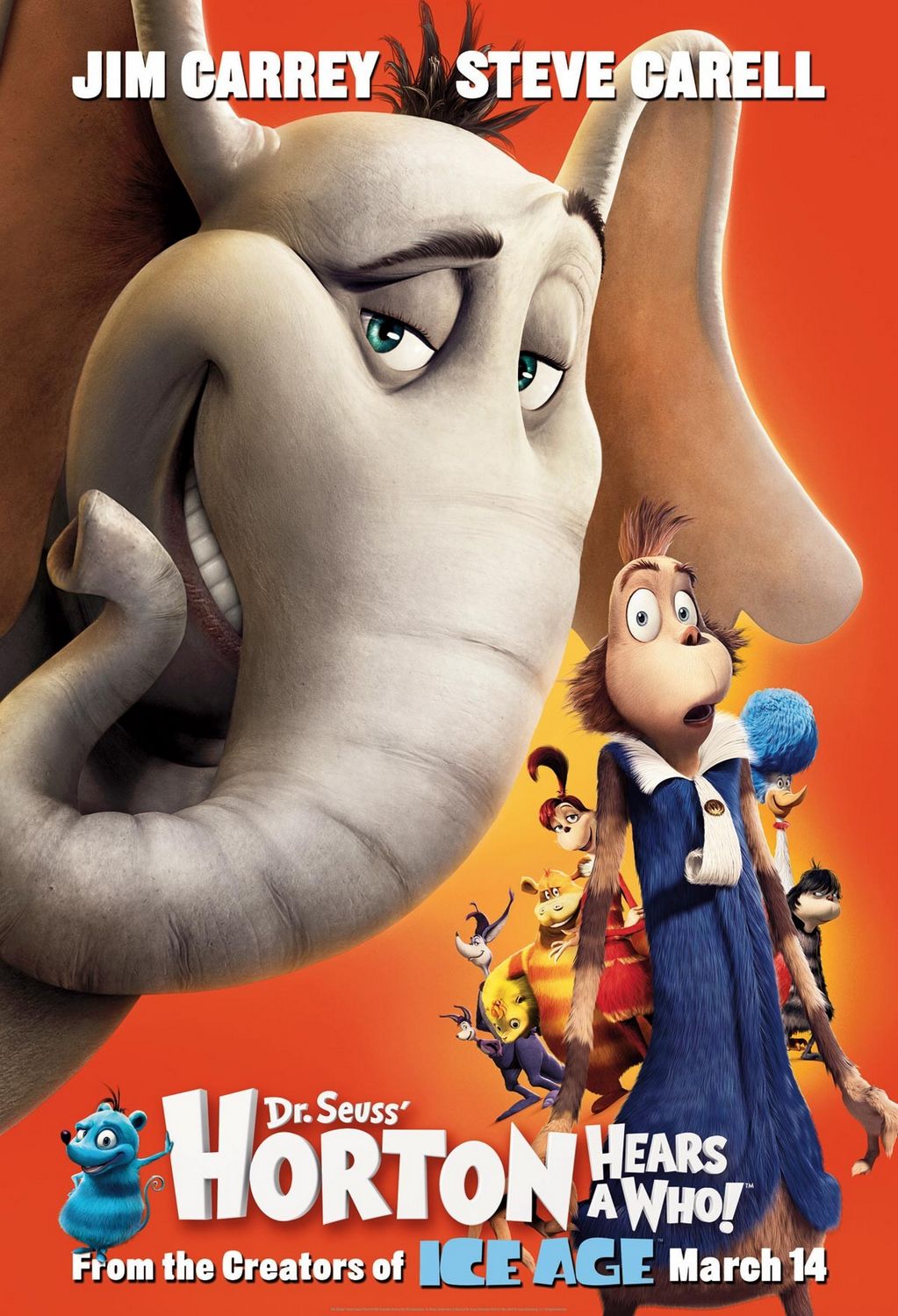
Horton the Elephant struggles to protect a microscopic community from his neighbors who refuse to believe it exists.
- 2007 |
The Number 23
asWalter Sparrow, Fingerling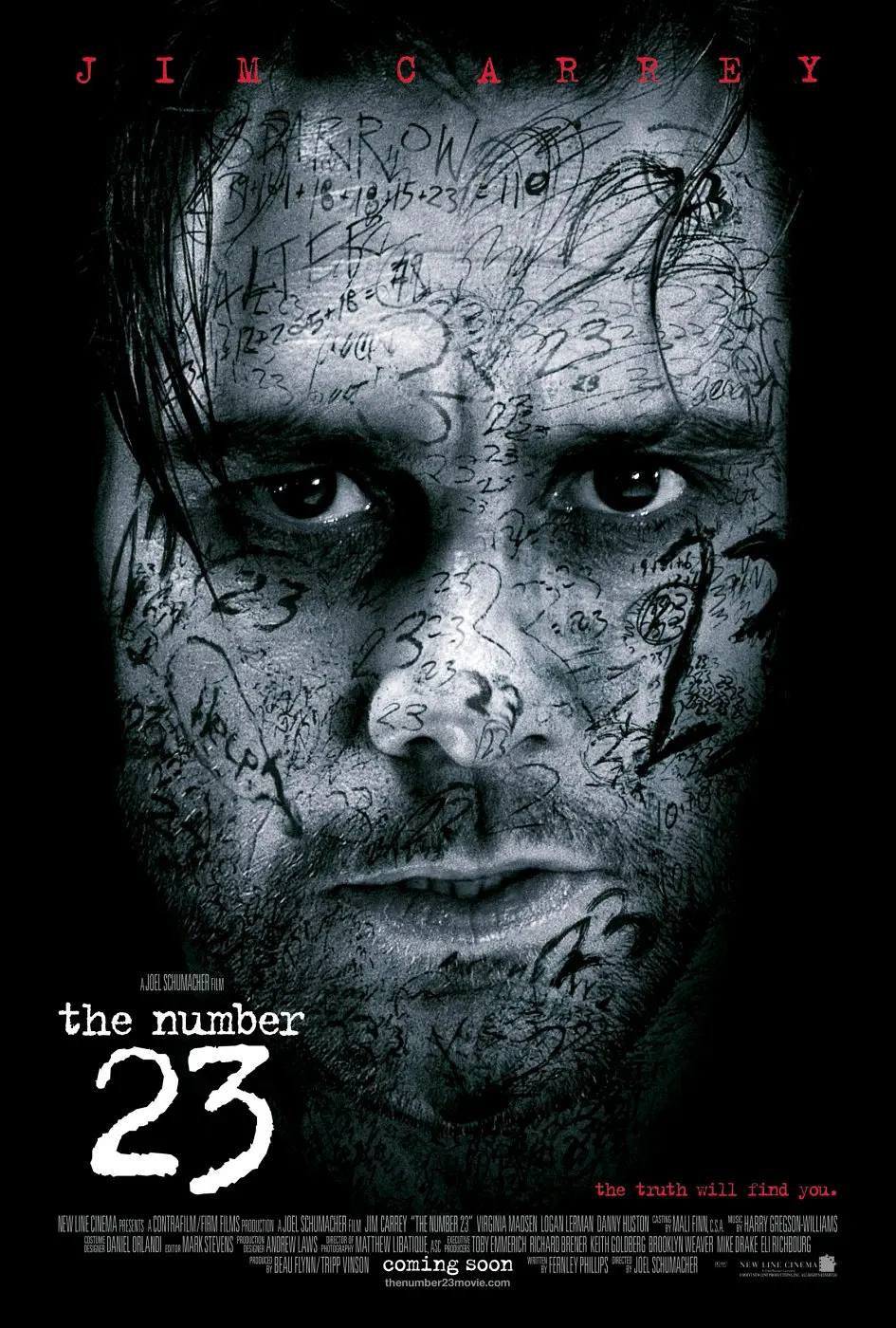
Walter Sparrow becomes obsessed with a novel that he believes was written about him, as more and more similarities between himself and his literary alter ego seem to arise.
- 2004 |
Eternal Sunshine of the Spotless Mind
asJoel Barish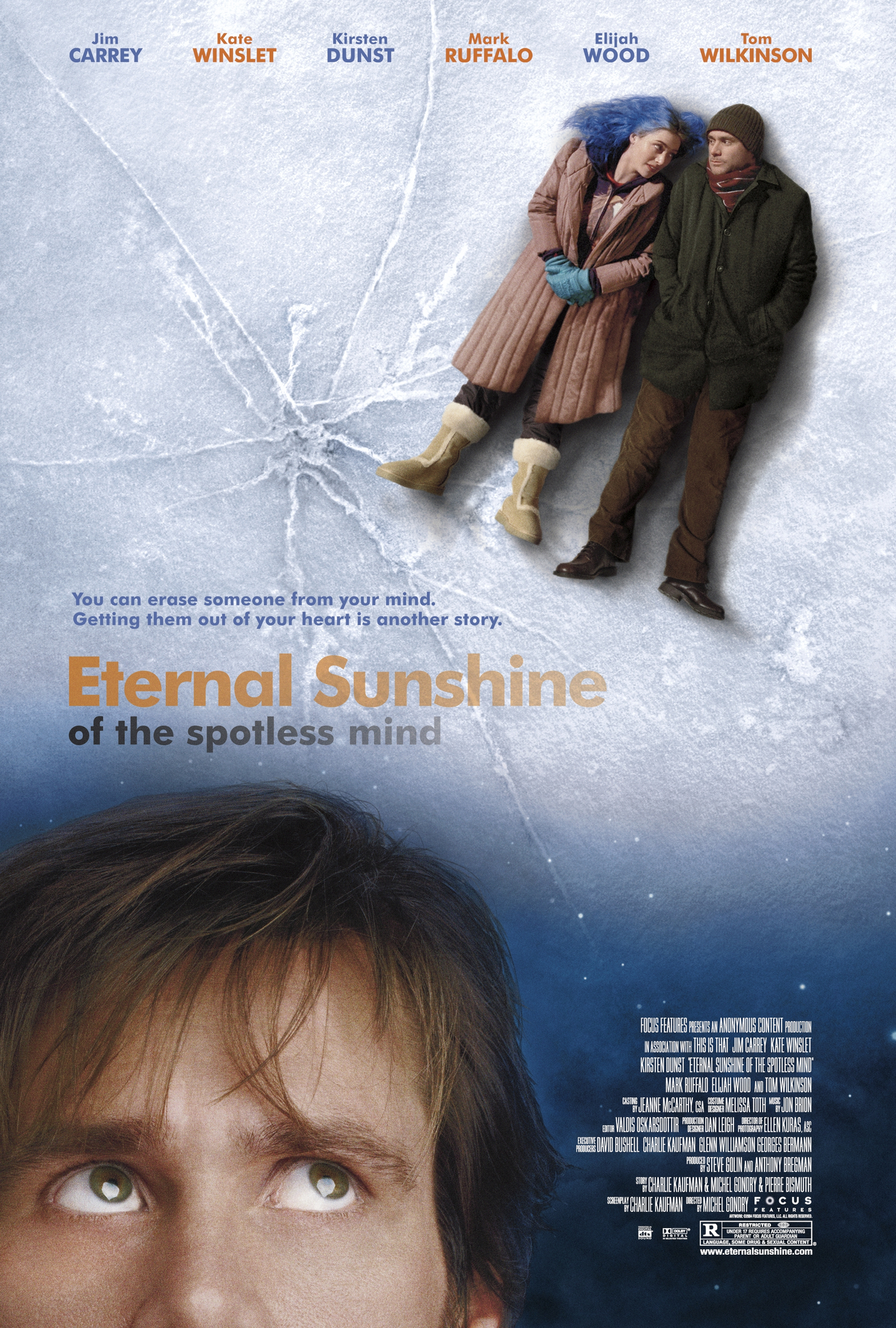
Eternal Sunshine of the Spotless Mind
When their relationship turns sour, a couple undergoes a medical procedure to have each other erased from their memories forever.
- 2003 |
- 2000 |
How the Grinch Stole Christmas
asGrinch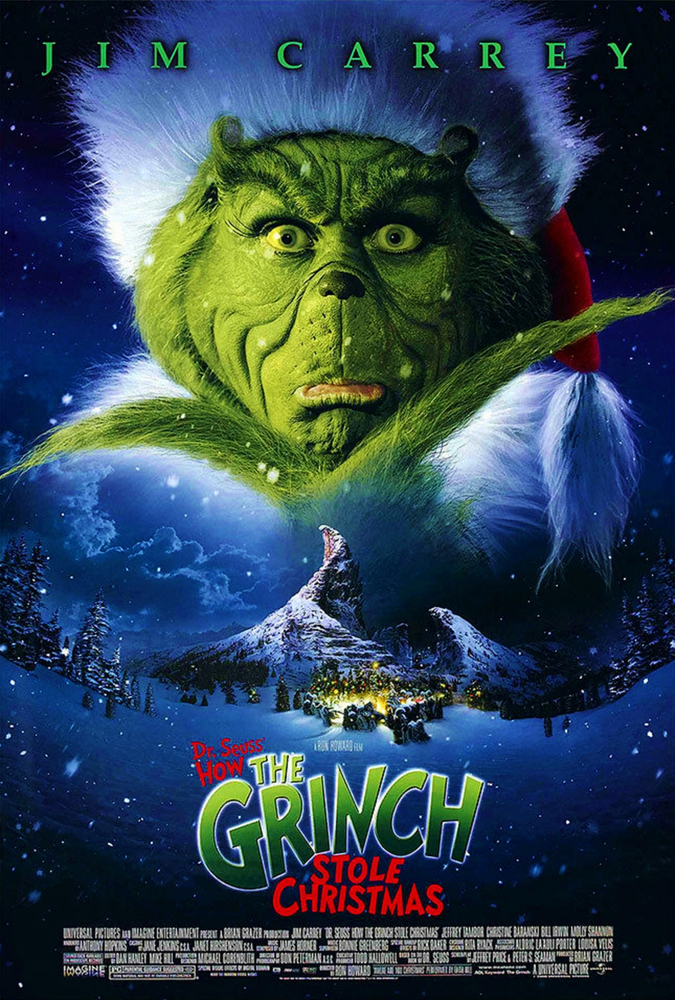
How the Grinch Stole Christmas
On the outskirts of Whoville lives a green, revenge-seeking Grinch who plans to ruin Christmas for all of the citizens of the town.
- 2000 |
Me, Myself & Irene
asCharlie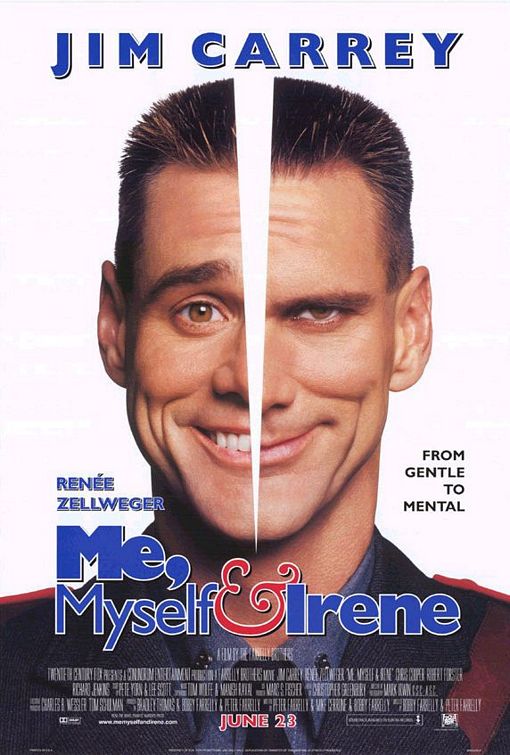
A nice-guy cop with Dissociative Identity Disorder must protect a woman on the run from a corrupt ex-boyfriend and his associates.
- 1998 |
The Truman Show
asTruman Burbank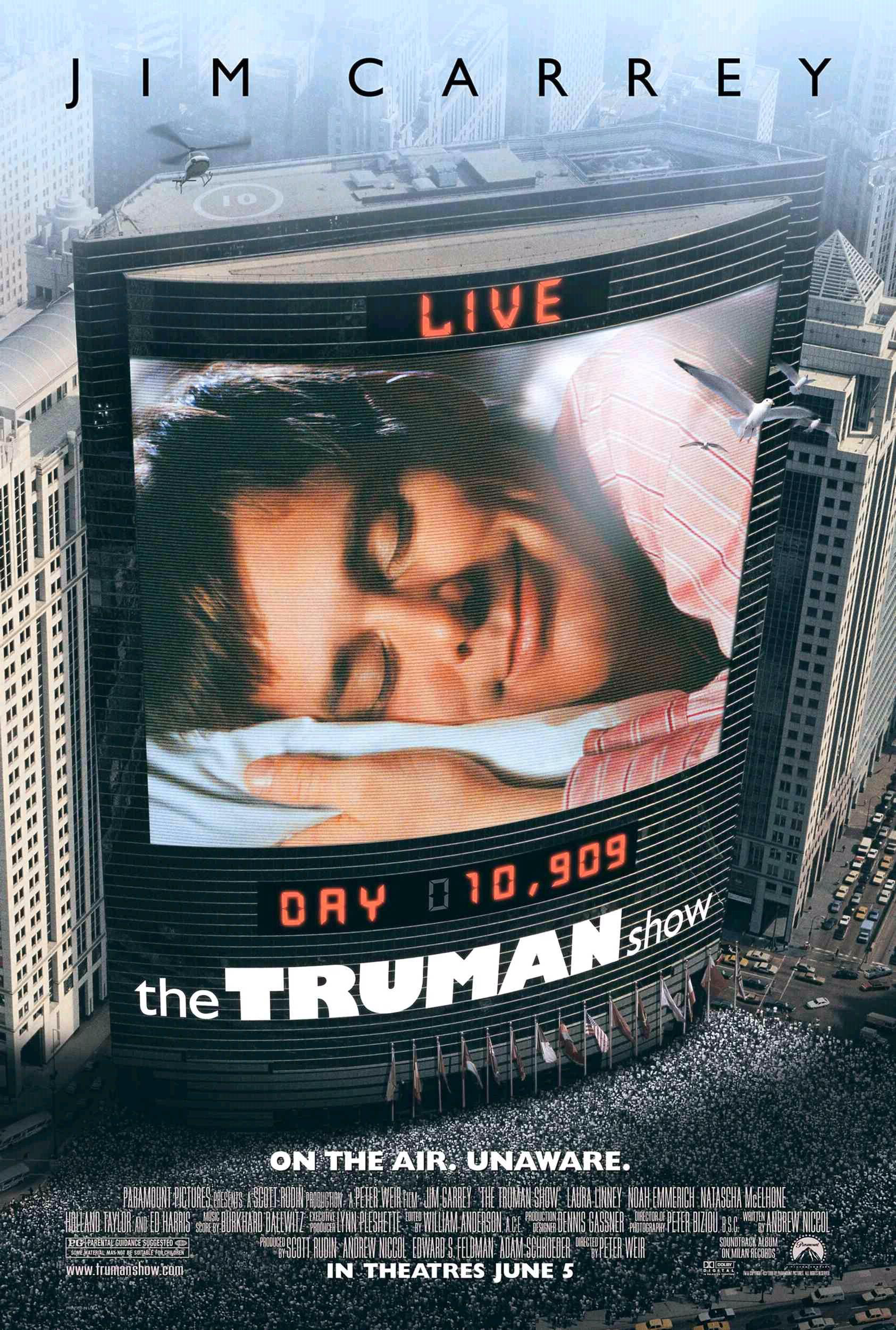
An insurance salesman begins to suspect that his whole life is actually some sort of reality TV show.
- 1996 |
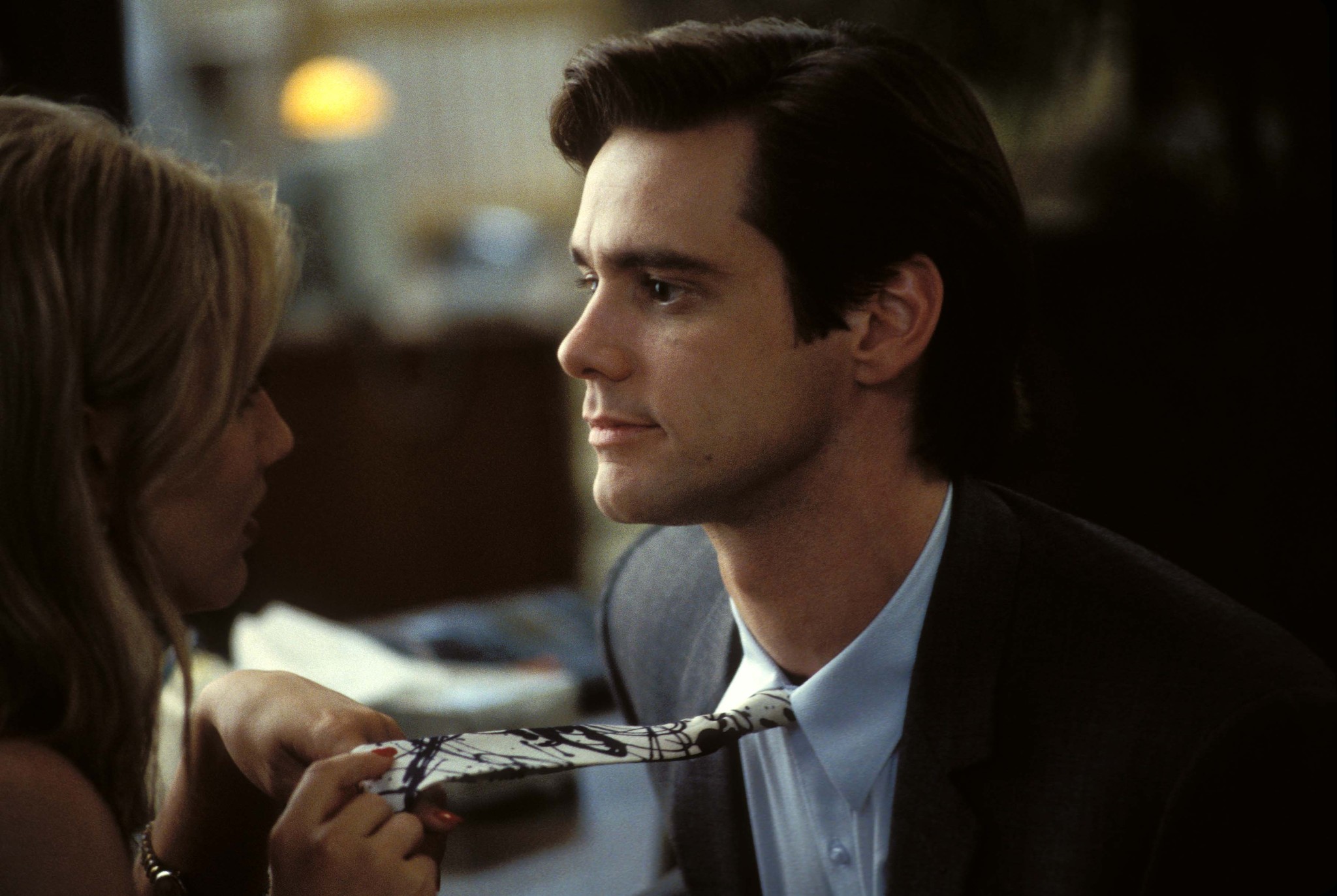
The Cable Guy
asCable Guy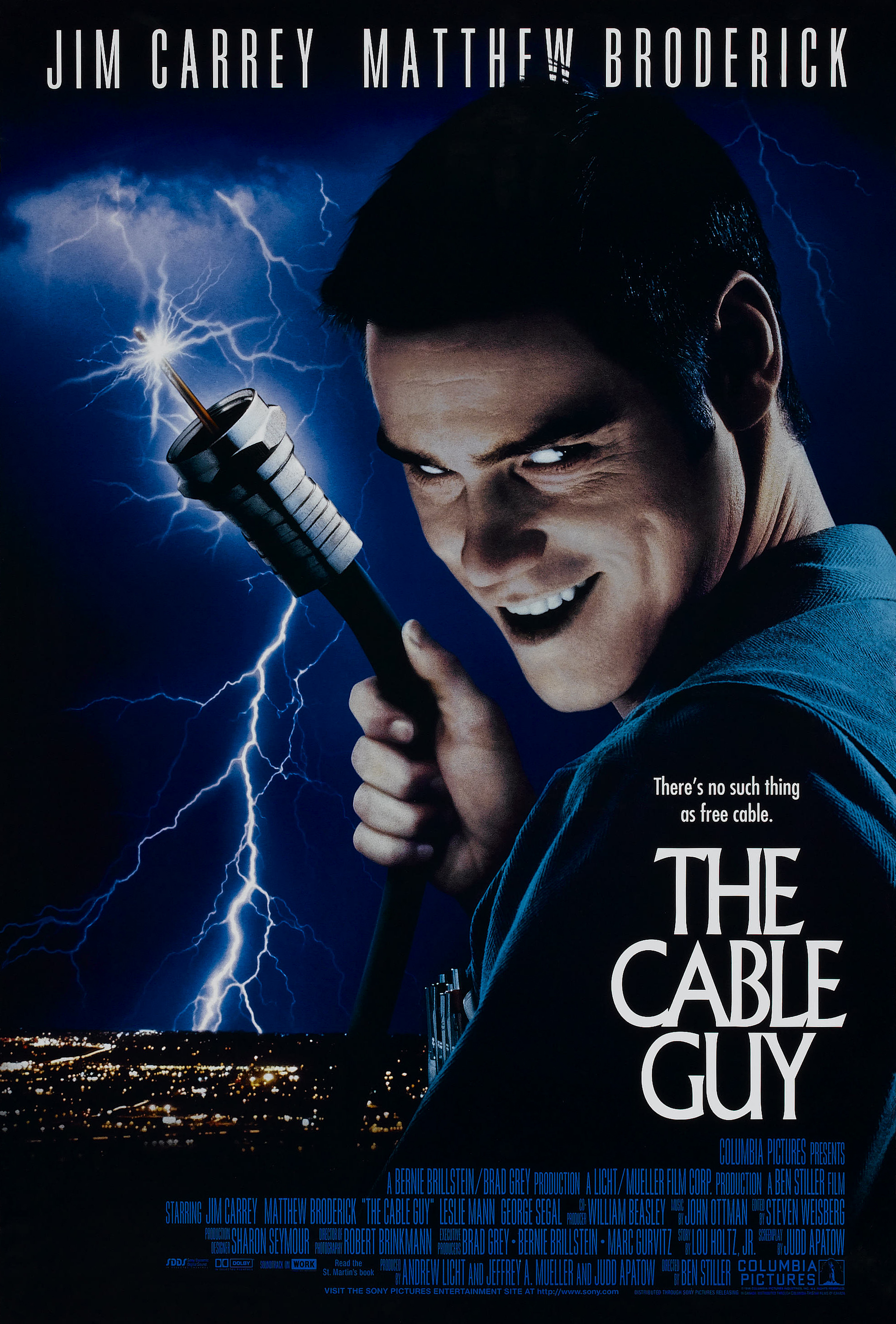
A designer makes a grievous mistake when he rejects the friendship of a borderline cable guy.
- 1995 |
Batman Forever
asRiddler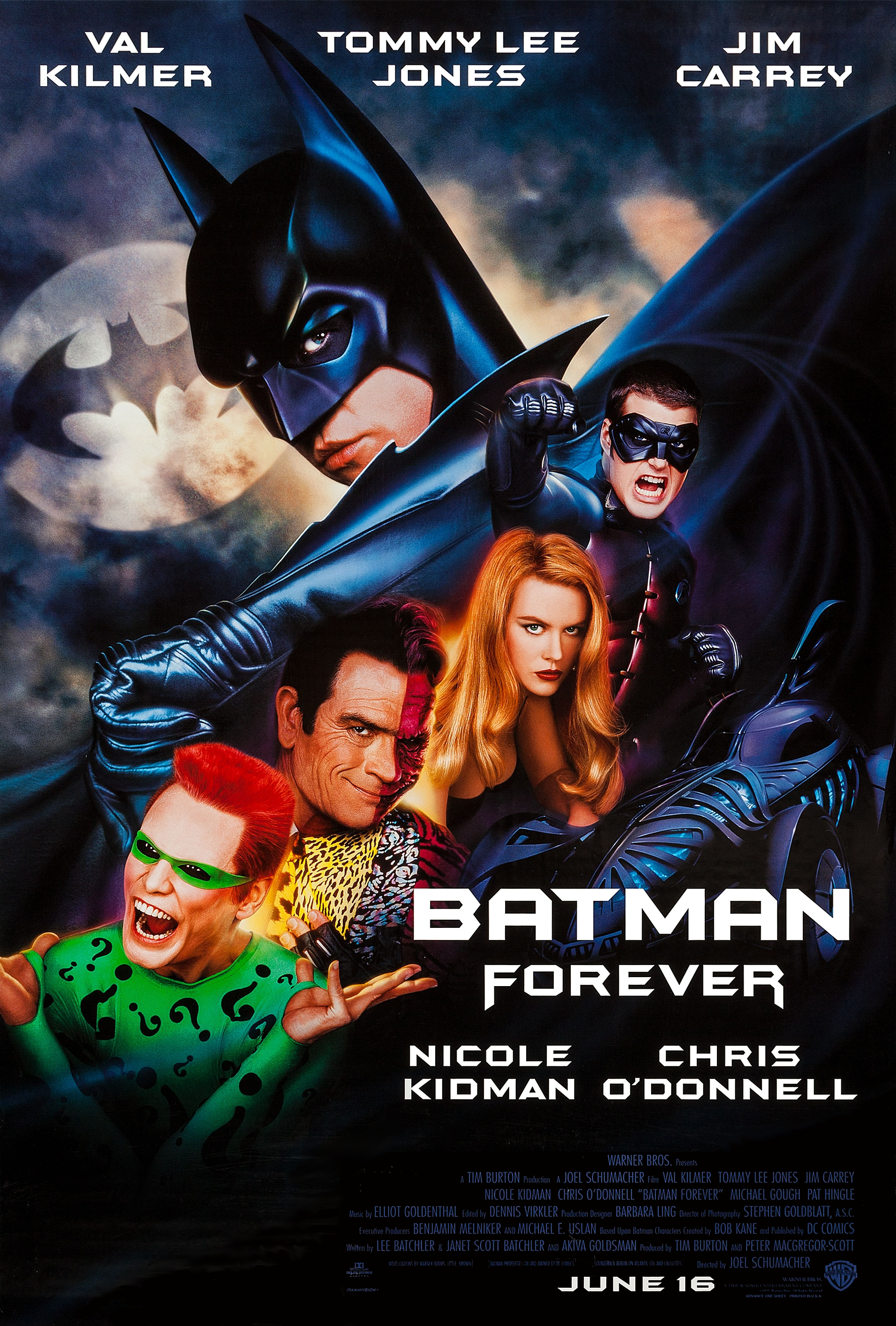
Batman must battle former district attorney Harvey Dent, who is now Two-Face and Edward Nygma, The Riddler with help from an amorous psychologist and a young circus acrobat who becomes his sidekick, Robin.
- 1994 |
Ace Ventura: Pet Detective
asAce Ventura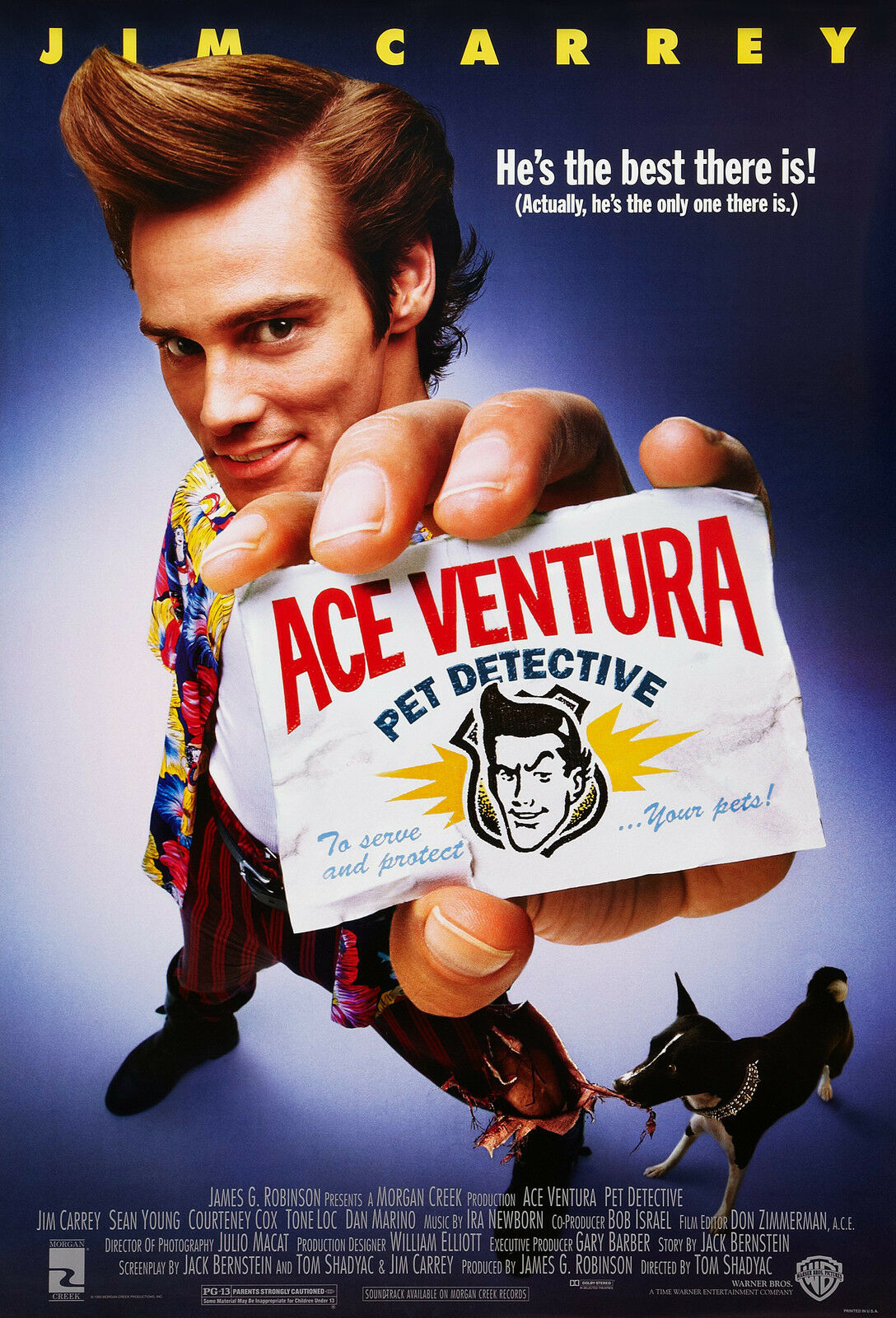
A goofy detective specializing in animals goes in search of the missing mascot of the Miami Dolphins.
- 1994 |
Dumb and Dumber
asLloyd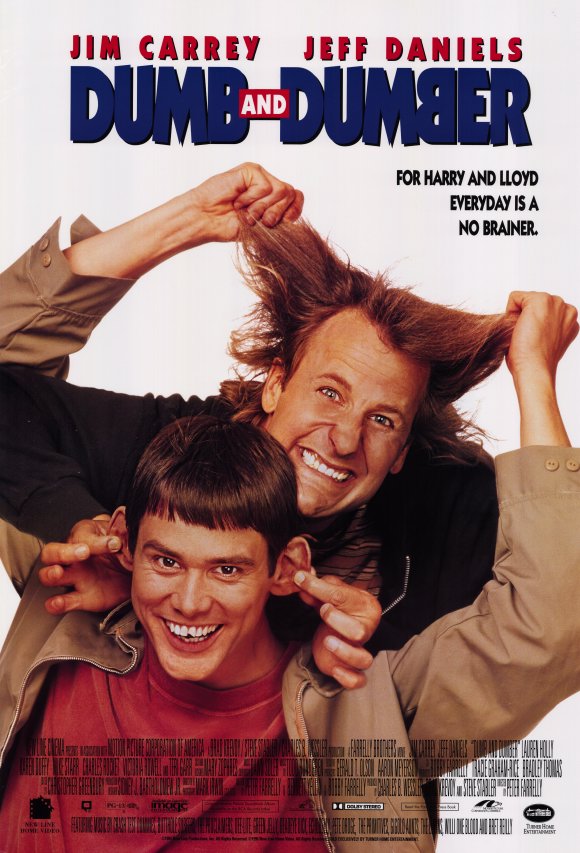
After a woman leaves a briefcase at the airport terminal, a dumb limo driver and his dumber friend set out on a hilarious cross-country road trip to Aspen to return it.
- 1994 |
- 1989 |
Earth Girls Are Easy
asWiploc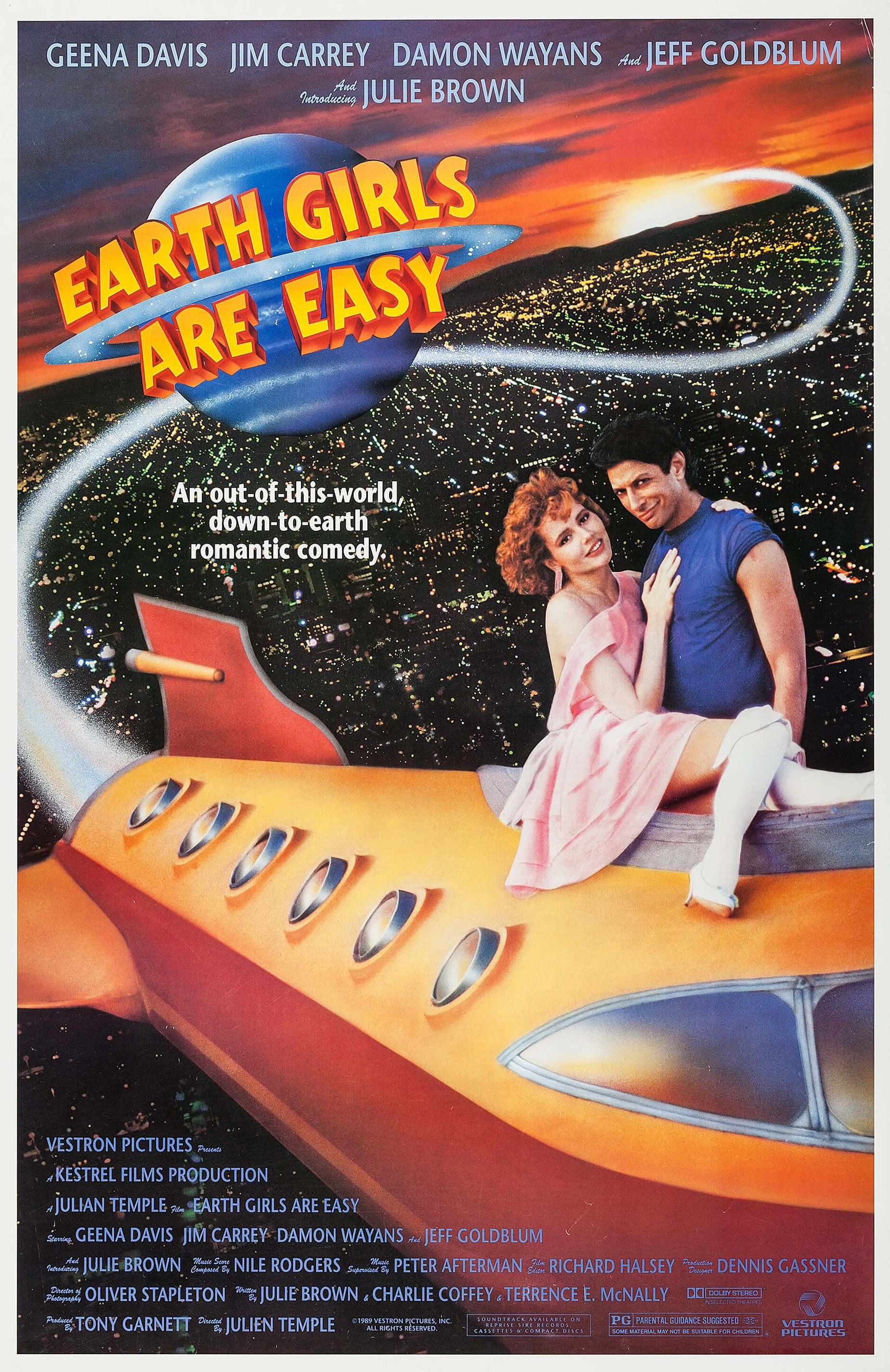
A young Southern California woman, who has just caught her fiancé cheating on her, befriends three humanoid aliens after their spaceship lands in her swimming pool.
- -- | as Riddler
- -- | as Narrator
- -- | as Self

Archive_footage
Previous (1)
- 2021 |
Val
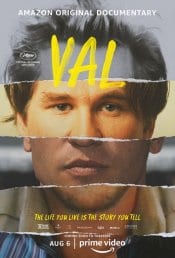
For over 40 years Val Kilmer, one of Hollywood’s most mercurial and/or misunderstood actors has been documenting his own life and craft through film and video. He has amassed thousands of hours of footage, from 16mm home movies made with his brothers, to time spent in iconic roles for blockbuster movies like Top Gun, The Doors, Tombstone, and Batman Forever. This raw, wildly original and unflinching documentary reveals a life lived to extremes and a heart-filled, sometimes hilarious look at what it means to be an artist and a complex man.
Writer
Previous (1)
- 1994 |
Ace Ventura: Pet Detective
A goofy detective specializing in animals goes in search of the missing mascot of the Miami Dolphins.
Facts About Jim Carrey
Frequently Asked Questions
When was Jim Carrey born?
How tall is Jim Carrey?
Who is Jim Carrey's wife?
Does Jim Carrey have a daughter?
What are some movies starring Jim Carrey?
What is Jim Carrey's net worth?
People Also Searched For