
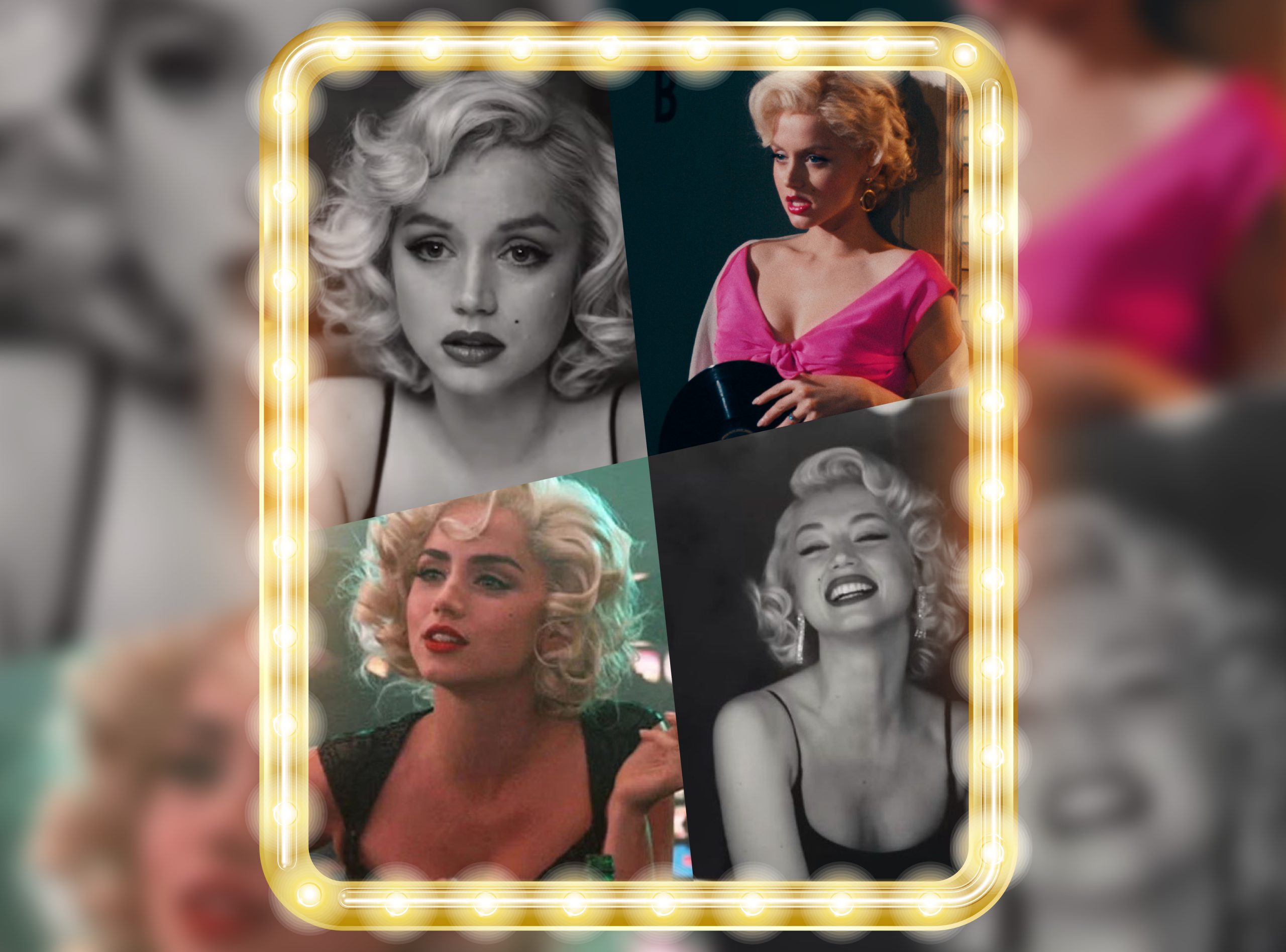
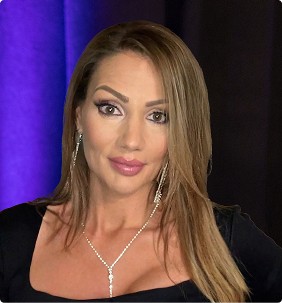
When Netflix released Blonde in September 2022, the buzz was instant. Marketed as a bold reimagining of Marilyn Monroe’s life, the film promised a transformative performance by Ana de Armas and delivered one that quickly polarized critics and audiences around the world.
Directed by Andrew Dominik and adapted from Joyce Carol Oates’ 2000 novel, the movie was never meant to be a straightforward biopic. Instead, it positioned itself as "biographical fiction,” a surreal and sometimes brutal interpretation of Monroe’s inner world.
It resulted in a firestorm of debate. For some, Ana de Armas’ turn as Monroe was Oscar-worthy, an empathetic dive into a misunderstood icon. For others, Blonde crossed the line into exploitation, re-traumatizing viewers and distorting Monroe’s story. From the Cuban accent controversy to the NC-17 rating, the estate’s condemnation to the accusations of “trauma porn,” this movie sparked some of the fiercest Hollywood discourse in recent memory.
Let’s break down exactly why Ana de Armas’s Blonde remains so controversial.
What Is the Movie Blonde About?
https://www.youtube.com/watch?v=aIsFywuZPoQ
First, context. Blonde (2022) isn’t your standard Hollywood biopic. It’s not Bohemian Rhapsody, Rocketman, or even Elvis. Instead, the film adapts Joyce Carol Oates’ sprawling 700-page novel into a dreamlike, fractured narrative. Oates herself has always emphasized that the book is “biographical fiction,” inspired by Marilyn Monroe but not beholden to fact. Director Andrew Dominik leaned into that idea, creating a movie that often feels like a fever dream more than a conventional timeline. Backed by Netflix and produced by Plan B Entertainment, the project was positioned as an ambitious reimagining rather than a straightforward retelling.
The film tracks Norma Jeane Baker’s transformation into Marilyn Monroe, but instead of focusing on her professional triumphs—iconic films, global stardom, and cultural impact—it centers almost exclusively on her psychological pain. Childhood trauma, abusive relationships, miscarriages, and predatory studio heads dominate the narrative. Monroe is portrayed as a perpetual victim, someone consumed by forces around her with little agency over her own destiny.
This leads to the bigger question many viewers ask: Is Blonde a true story? Not exactly. While some events reflect real elements of Monroe’s life, the film—like the novel -- is better understood as “biographical fiction.” So while it may feel rooted in reality, Blonde is ultimately based on a true story only in the loosest, most symbolic sense.
And that’s what makes the movie both striking and divisive.
The Backlash Over Ana de Armas’ Cuban Accent

One of the earliest controversies arose before the movie even hit Netflix: Ana de Armas’s accent in Blonde. Born in Cuba, de Armas worked for months with a dialect coach to do vocal training to master Marilyn Monroe’s famously breathy, mid-century voice. But when the trailer dropped, fans immediately noticed traces of her natural Cuban inflection, sparking questions like ‘did Ana de Armas sound like Marilyn Monroe?’
Critics argued that Monroe’s iconic voice—soft, flirtatious, and carefully crafted was essential to her persona, and that any lapse in the Marilyn Monroe voice imitation broke the illusion. Some viewers questioned Hollywood’s casting standards: should a Cuban actress have been given the role of America’s quintessential blonde bombshell?
Ana De Armas, for her part, defended her performance in interviews, noting that she put in nearly a year of preparation. She insisted Marilyn Monroe’s voice was more than a gimmick—that she studied the emotional cadence, the hesitations, and the intentional vulnerability behind it. For many supporters, her performance transcended the debate over accent authenticity, capturing Monroe’s fragility and strength even if the voice wasn’t a perfect replica.
Graphic Depictions and the NC-17 Rating
If the accent chatter stirred the pot, the film’s NC-17 rating stirred it further. Blonde became Netflix’s first major release with the adults-only label from the MPAA, sparking endless headlines and debate over why Blonde is rated NC-17 in the first place. The movie’s unflinching approach to sensitive material, including graphic depictions of sexual trauma, miscarriage, and abortion. This was the main reason a content warning was added.
Several moments stood out as the most disturbing scenes in Blonde:
https://www.youtube.com/watch?v=fe-lZRx1aso
- A harrowing sequence where Monroe is coerced into a sexual act by a studio executive.
- A hallucinatory abortion scene, filled with surreal imagery of talking fetuses.
- Visually intense portrayals of miscarriage, often framed with horror-like stylization.
For some critics, these choices humanized Monroe’s struggles, refusing to sanitize her lived reality. For others, they veered into exploitation—reducing a complex woman to repeated images of suffering. Reviewers called it “trauma porn,” raising the question: Is Blonde appropriate to watch, or does it simply re-stage Monroe’s pain for shock value under the guise of art?
Was Blonde Historically Accurate?
Not really. The film is built on myth as much as fact. While certain moments from the Marilyn Monroe biography appear like her marriages to Joe DiMaggio and Arthur Miller, her turbulent studio contracts, and even her rumored ties to JFK, much of the narrative leans heavily into invention and historical fiction rather than fact.
When comparing the Blonde movie facts vs fiction, examples of invention stand out:
- The recurring “Daddy” hallucinations, where Monroe imagines letters from the father who abandoned her.
- Romantic entanglements that historians insist never happened.
- Surreal visual metaphors, like crowds morphing into dreamscapes.
Even the abortion sequence, one of the film’s most controversial choices, remains unverified. While Monroe suffered documented miscarriages, there’s no evidence in her memoir, My Story, or other sources that she had an abortion. Critics argued that director Andrew Dominik was projecting his own obsessions rather than respecting the true story behind Blonde or Monroe’s real experiences.
Ultimately, it’s not a documentary—it’s symbolic storytelling. But the blurred lines between fact and historical fiction made many viewers feel misled.
Marilyn Monroe Estate’s Public Condemnation
If the audience debate was fierce, the official response was even sharper. The Marilyn Monroe Estate on Blonde came through Authentic Brands Group, the company that manages Monroe’s intellectual property and likeness. They issued an official statement on the Blonde movie, publicly condemning it as “exploitative” and stressing that the film was entirely an unauthorized biopic.
That distinction matters. Did Marilyn Monroe’s family approve of Blonde? The answer is no. The estate did not license Monroe’s name, story, or image for the film. By contrast, estate-approved projects like My Week with Marilyn (2011) or authorized documentaries have relied on official cooperation and sanctioned material.
Director Andrew Dominik’s independence gave him full artistic freedom, but without the estate’s involvement, there were no guardrails on factual accuracy or ethical responsibility. The Marilyn Monroe Estate’s disapproval only reinforced the perception that Blonde disrespected the very woman it claimed to portray, deepening the divide between artistic vision and legacy preservation.
Critical Reception: Praise vs. Outrage
The critical split around Blonde was extreme. On one hand, Ana de Armas earned rave reviews and landed a Best Actress nomination at the Academy Awards 2023 —her first Oscar nod. Critics highlighted her performance in the Blonde movie reviews as emotionally raw and deeply committed, while also praising the transformative makeup, costuming, and Chayse Irvin’s striking black-and-white cinematography.
On the other hand, audiences revolted. Due to poor audience reception, the Blonde Rotten Tomatoes score sank below 35%, with many viewers calling it unwatchable. The New York Times went so far as to call it “a necrophiliac fantasy,” while Variety countered with praise for its bold artistry. This clash between critical acclaim and public rejection underscored the film’s divisive nature.
This tension—between awards-season prestige, such as Ana de Armas’ Oscar nomination, and widespread audience backlash—cemented Blonde as one of the most polarizing films of the decade.
Ana de Armas’ Defense of Her Role
Through it all, Ana de Armas stood by her work. In multiple Ana de Armas interviews about Blonde features with Vanity Fair and The Hollywood Reporter, she opened up about the emotional toll of the role, describing the intense process of method acting and the vulnerability it demanded. She even revealed that Ana de Armas sought therapy after Blonde, admitting the part left her drained but ultimately proud of what she accomplished.
https://www.youtube.com/watch?v=jGyq1aYUIc8
When asked ‘Why AnaWhy Armas took the Blonde role?’, she explained that it wasn’t about surface-level imitation but about reaching for Monroe’s inner truth. For her, the film gave Monroe “a voice” against decades of Hollywood objectification, reframing the star’s legacy through the lens of actor preparation and emotional honesty.
“I did it with love, with the best intentions,” she said. To many supporters, her openness about the role’s impact on her mental health, both on-screen and off, only deepened admiration for her craft.
Why the Controversy Still Matters in 2024
Two years on, the Blonde controversy of 2024 continues to resonate across film circles and audiences alike. At its heart, the debate raises larger questions: Who owns Marilyn Monroe’s story after death? How should filmmakers portray trauma ethically? And what happens when artistic ambition collides with legacy protection?
Since Blonde, other projects—from Back to Black (the Amy Winehouse biopic) to Whitney Houston’s estate-controlled films—have sparked similar debates. Hollywood appears more cautious now, often involving estates more directly in the process. In the wake of the #MeToo movement, scrutiny has intensified around how stories about abuse are told, fueling wider conversations about ethical filmmaking and posthumous representation.
Whether you view Blonde as a masterpiece or a misfire, it undeniably pushed the conversation forward, shaping the way we think about ethical biopics after Blonde and the responsibilities of storytellers dealing with real people—especially women whose legacies have historically been controlled by others.
Final Thoughts
Blonde is a cultural flashpoint. It asked audiences to see Marilyn Monroe not as a star, but as a symbol of trauma and exploitation. Some found that perspective powerful. Others found it offensive, even cruel.
Ana de Armas’ performance remains the centerpiece of the discussion, admired for its intensity and criticized for its authenticity. The controversy isn’t going away, because Blonde touches on unresolved issues in Hollywood: the ethics of biographical storytelling, the portrayal of women’s suffering, and the ownership of legacies long after death.
Love it or loathe it, Blonde forced all of us to grapple with what it really means to tell someone else’s story.
FAQs
Is Blonde based on a true story?
No. Blonde is a fictionalized drama based on Joyce Carol Oates’ novel. It blends fact, fantasy, and surrealism.
Did Ana de Armas win an Oscar for Blonde?
No. She was nominated for Best Actress at the 2023 Academy Awards but lost to Michelle Yeoh (Everything Everywhere All at Once).
Why is Blonde rated NC-17?
Because of graphic depictions of sexual assault, miscarriage, and abortion. It was Netflix’s first major NC-17 film.
Did the Marilyn Monroe Estate approve Blonde?
No. The estate condemned the film as “exploitative” and “unauthorized.”
Can Ana de Armas speak English without an accent?
Yes. She is fluent, but traces of her Cuban accent occasionally surfaced in Blonde, sparking debate.
Is Blonde appropriate to watch?
Viewer discretion is strongly advised. The film contains disturbing imagery and is not recommended for sensitive viewers.
What happened to Marilyn Monroe’s baby in Blonde?
The film depicts miscarriages and an abortion, but historians confirm only the miscarriages. The abortion is speculative fiction.