

Regal Cinemas16 Screens, 3406 Seats
Regal Stockton City Center
This business has not yet been claimed by the owner or a representative.
A million people came through in the first year. That figure appeared in a January 2005 Recordnet.com report, just over twelve months after the cinema opened on December 19, 2003, under Signature Theatres. Regal took it over in 2004. The building was designed by the San Francisco firm Uesugi & Associates, one of more than a dozen Signature multiplexes they built. Sixteen screens. 3,406 seats. IMAX was added in 2008. Recliners, beer, and wine arrived with the 2016 renovation.
Theatre Overview
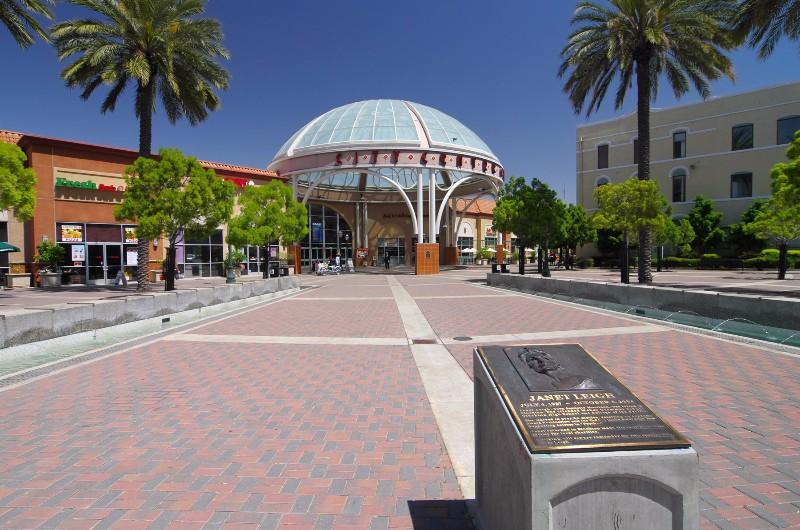
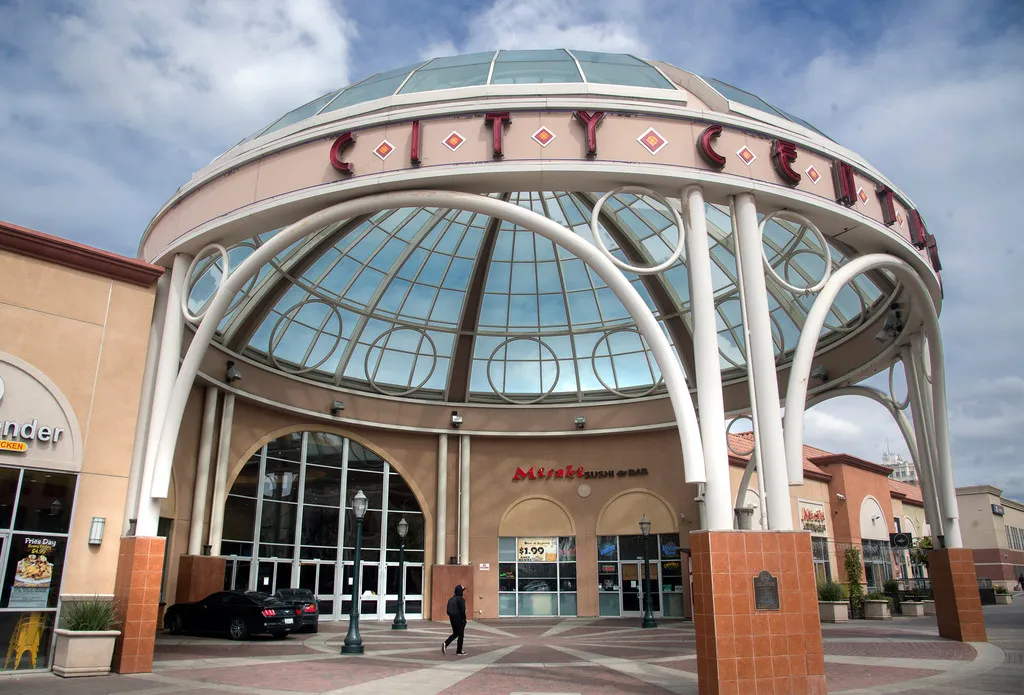
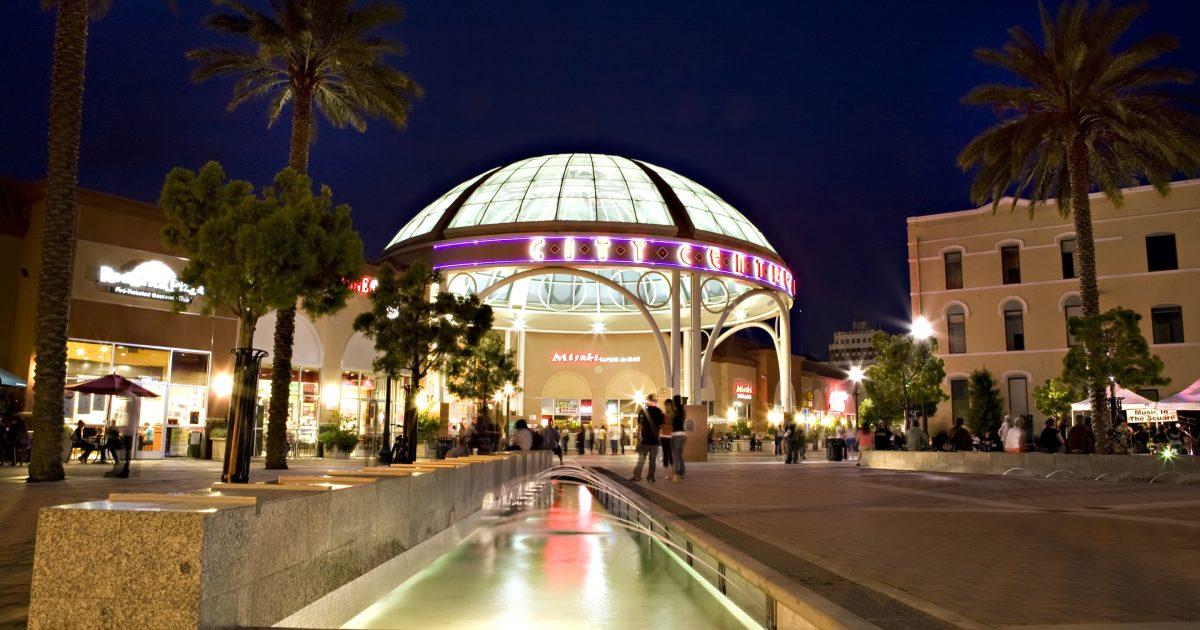
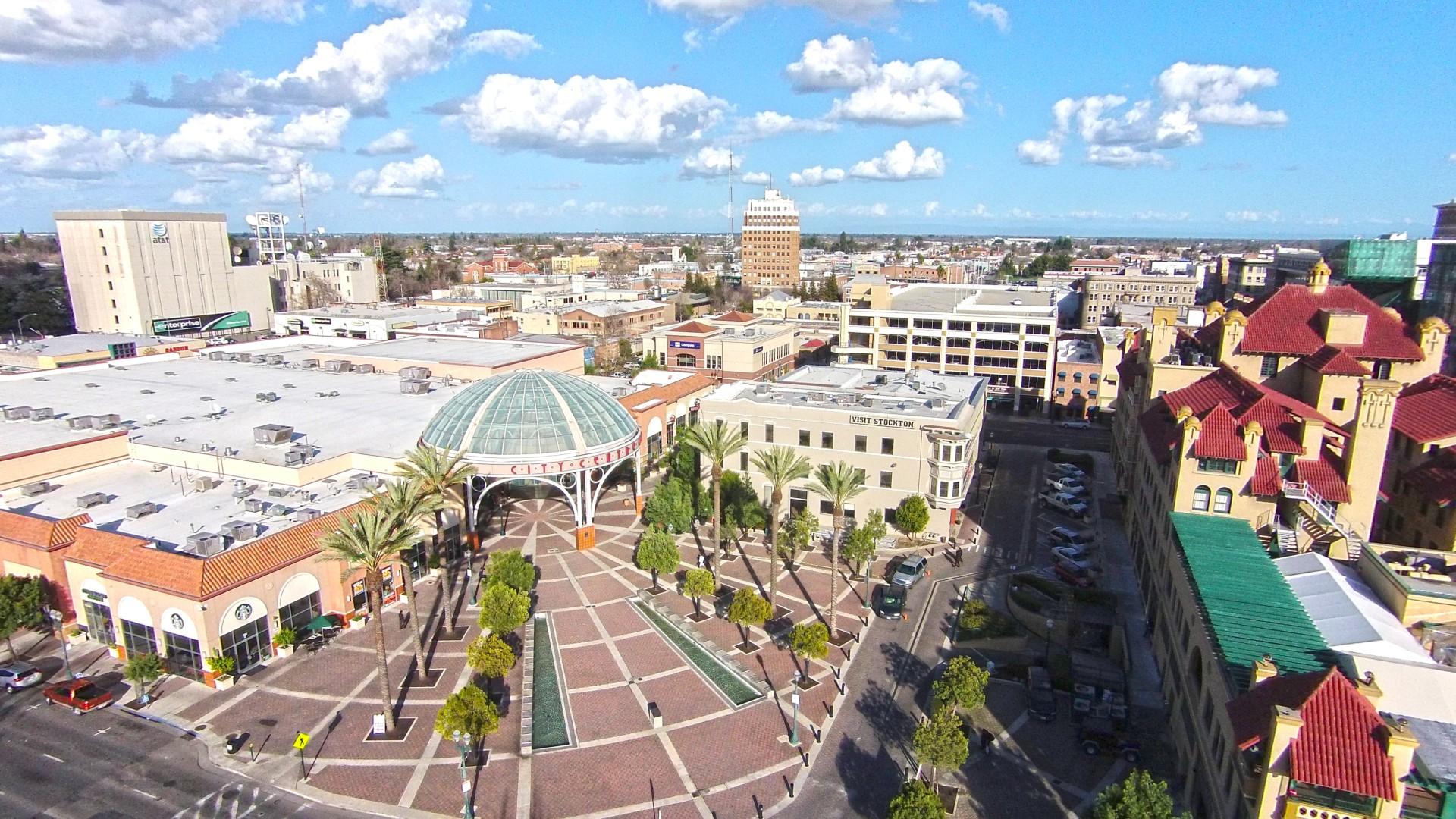
Uesugi & Associates drew up the plans. The San Francisco firm designed more than a dozen multiplexes for Signature Theatres, and the Stockton City Centre building was one of them. It opened December 19, 2003, on N. El Dorado Street in Janet Leigh Plaza, the public square at the western edge of downtown Stockton.
Signature sold or transferred the property to Regal in 2004, less than a year after the doors opened. Under Regal, the cinema drew a million visitors in its first full year of operation. That number was published in January 2005 in the local Recordnet.com. New life in a downtown that had seen better days.
IMAX came to the building on November 7, 2008 — five years into the run. The 2016 renovation followed. Recliner seating replaced the original chairs throughout all 16 auditoriums. Beer and wine went on sale at the bar. The building has run in essentially that configuration since.
Total capacity is 3,406. The two largest auditoriums seat 420 each. The rest range from 147 to 300. It remains the larger of Stockton’s two Regal locations, the other being Regal Stockton Holiday on North West Lane.
Screens & Presentation
Laser projection runs on select screens. The IMAX auditorium is the premium room, with the format’s larger image and proprietary sound calibration. RealD 3D is available on additional screens depending on the week’s releases.
16 screens in total. The two biggest rooms hold 420 seats apiece. Programming in those auditoriums skews toward the widest releases. The IMAX screen books up first on opening weekends for major franchise films.
The Metropolitan Opera Live series also plays here, broadcast in HD from the Met stage in New York. It is scheduled across the season; dates appear on the Regal website alongside standard film listings.
Seating & Auditorium Features
The 2016 renovation pulled out the original stadium chairs and put recliners in throughout. King-size, electric, full-extension. Every seat in every auditorium. No standard seating sections remain.
Stadium configuration means the rows step up from the screen. The recliner layout spaces the rows further apart than the old chairs did, so the 3,406 total capacity reflects the new arrangement. Individual auditorium sizes range from 147 to 420 seats.
Reserved seating applies across all screenings. Seat selection happens at the point of purchase — online, at the kiosk, or at the box office.
Programming & Showtimes
Tuesdays run cheaper. Regal Crown Club members pay $5 to $7, depending on format. It is the most reliably discounted night at this location and tends to draw a fuller mid-week crowd than other Tuesday evenings in the area.
The standard slate is first-run blockbusters and mainstream releases. IMAX presentations track alongside the wide-release schedule. The Metropolitan Opera Live series adds a separate programming strand for opera audiences — not typical for a suburban multiplex.
Showtimes open from 11:00 AM and run to 11:30 PM daily. Early access screenings for major releases appear on the Regal website before the general on-sale date.
Ticketing & Pricing
Tuesday is the value day. Crown Club members pay $5 to $7 per ticket. Outside of Tuesdays, standard and IMAX pricing applies and varies by showtime and format. Current rates are on regmovies.com or by calling (844) 462-7342.
Three ways to buy: online via the Regal site or Fandango, the self-service kiosk inside the lobby, or the box office window. The Regal app handles mobile ticketing and reserved seat selection. All formats include the option to book a specific seat at the point of purchase.
Fandango adds a per-ticket booking fee. Direct through Regal keeps the full Crown Club points value.
Concessions
Beer and wine have been on the menu since the 2016 renovation. Not every Regal location carries alcohol. This one does. The bar is separate from the main concession stand.
The standard Regal lineup runs alongside it — popcorn, fountain drinks, candy, and hot snacks. The plaza itself is surrounded by restaurants. Sushi, Thai, burgers, and a Starbucks are all within a short walk of the entrance if you want a full meal before or after the film.
Concession lines at peak weekend sessions can run long. Build in a few extra minutes before a busy showing if you plan to stop at the counter.
Accessibility
Two devices are available at the box office: assisted listening systems and closed captioning units. Ask when you collect your ticket. No booking needed for either.
Wheelchair access covers the main entrance and all auditoriums. The recliner seating layout from the 2016 renovation opened up aisle spacing across the building. Accessible parking is available in the Edmund S. Coy Parking Garage across the street, as well as on N. El Dorado.
Call (844) 462-7342 before your visit for auditorium-specific questions.
Location & Parking
222 N. El Dorado St, Stockton, CA 95202. Janet Leigh Plaza is the open public square on the western edge of downtown Stockton. El Dorado Street runs north-south through the centre of the downtown grid.
Sacramento is 50 miles north on I-5. San Francisco is roughly 80 miles west. The Port of Stockton and the waterfront are a few blocks south on the Stockton Channel.
The Edmund S. Coy Parking Garage sits directly across the street. Take the entry ticket with you into the cinema for validation; the garage is free with validation. Street parking is available on N. El Dorado and the surrounding blocks. The Channel Street surface lot, one block south, is free but has had vehicle break-ins reported in visitor reviews — the garage is the safer option after dark.
Local Area Context
The Port of Stockton opened in 1933. It is the westernmost inland deepwater port in the United States, sitting on the Stockton Channel just blocks south of the cinema. The port, combined with Highway 99 and Interstate 5 on the city’s perimeter, made Stockton a logistics and warehousing hub long before that became a common suburban business model.
University of the Pacific is here too. Founded in 1851, it is the oldest university in California, and it has been on the Stockton campus since 1923. Health care, retail, and transportation are the three largest employment sectors in the city, which has 322,000 residents and sits 11th among California cities by population.
Charles Maria Weber founded Stockton in 1849, capitalising on its position on the San Joaquin River during the Gold Rush. It was the first community in California with a name of neither Spanish nor Native American origin. Downtown has gone through several cycles since. The late 1990s started a revitalisation push. The City Centre cinema, opening in 2003, was part of that story, bringing a million people into the area in its first year.
The Haggin Museum, described by Sunset magazine as one of the undersung gems of California, holds a 19th-century art collection a few miles from the cinema. The Stockton Symphony, founded in 1926, is the third-oldest professional orchestra in the state.
Amenities