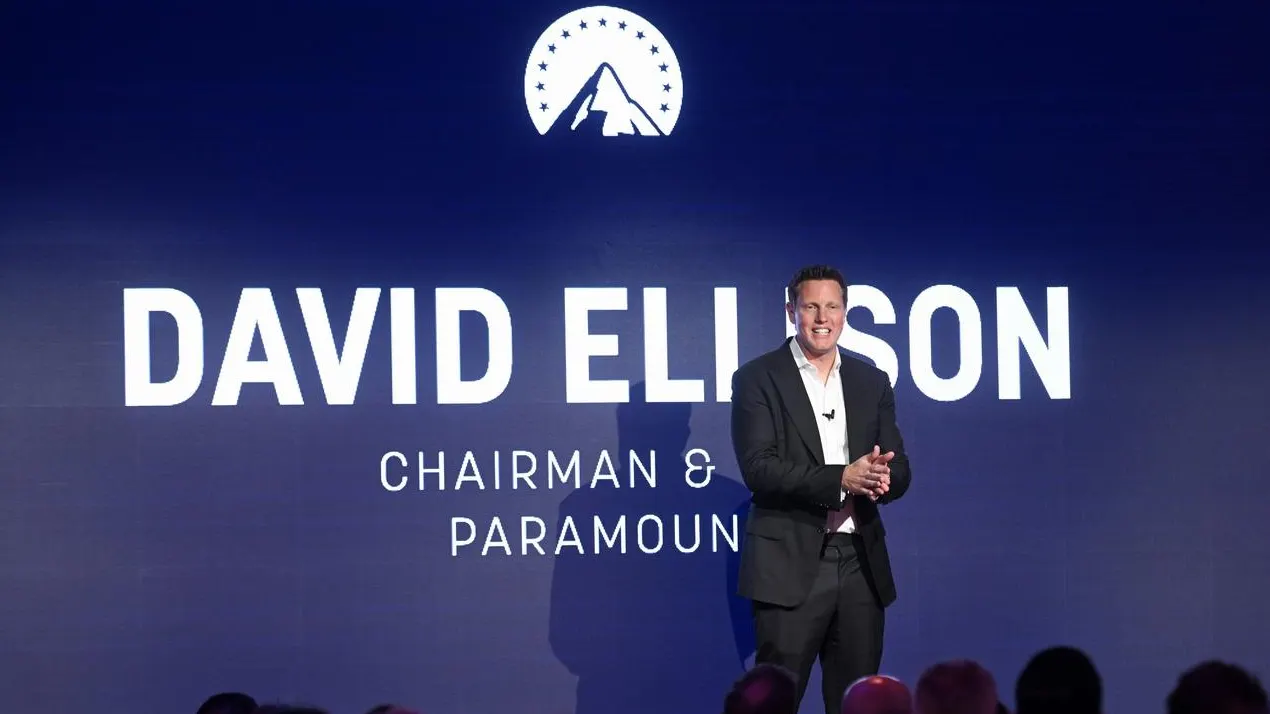
From the moment Warner Bros. Discovery signaled its openness to a sale, the attention of the entire media industry was rivetted. Many wished that the studio would remain independent, thinking that this would be the best path to preserve jobs and keep films flowing from the studios. When Netflix emerged with a supposedly winning offer, theatre owners fretted about the streamer’s long-standing reluctance to make its movies available to theatres, which could result in a significant reduction in the number of movies available for cinemas to play. Eventually, Paramount convinced WBD shareholders that it had the most compelling and lucrative option, and its offer was selected.
That’s when politics became a factor, since the U.S. Justice Department under the Trump administration had a say in the matter, and David Ellison who was the CEO of Paramount and his father Larry Ellison who was largely responsible for the financing of the acquisition were reported to have a close personal relationship with the President. The good news for the Ellisons is that the Justice Department approved their merger. The bad news is that this resulted in a political backlash of its own, with the Attorneys General from twelve states known to be hostile to the Trump administration (a.k.a. Blue States), filed suit to block the merger. This lawsuit has resulted in a delay until a trial takes place, currently schedule for March 2027. Since the Paramount offer included a commitment to pay an additional $7M per day in “ticking fees” for each day after September 30th when the deal has not yet closed, this could add up to more than $1B in additional cost.
The entire industry seems to want the deal to close, sooner rather than later, but the parties are holding out for their preferred terms. Paramount’s leaders leaked that if an acceptable deal on their Warner Bros. acquisition cannot be reached, it will explore moving its headquarters and perhaps even its production from California to another U.S. location, with the Red States of Tennessee, Texas and Georgia being considered as destinations. Since the stated goal of the AGs is to gain commitments from the studio that it will preserves production jobs in California, a move by Paramount (without Warner) out of California would seem counterproductive to that objective. In fact, the state of California recently approved a dramatic increase in state tax credits for CA-based production to stem the outflow of industry activity from Los Angeles to lower-cost locations, both inside and outside the U.S.
At this point, the forces at play are pushing the parties to find an agreement that is acceptable to both sides, with Paramount committing to preserve some level of production activity in California after the merger and release a minimum number of new movies to theatres each year.