
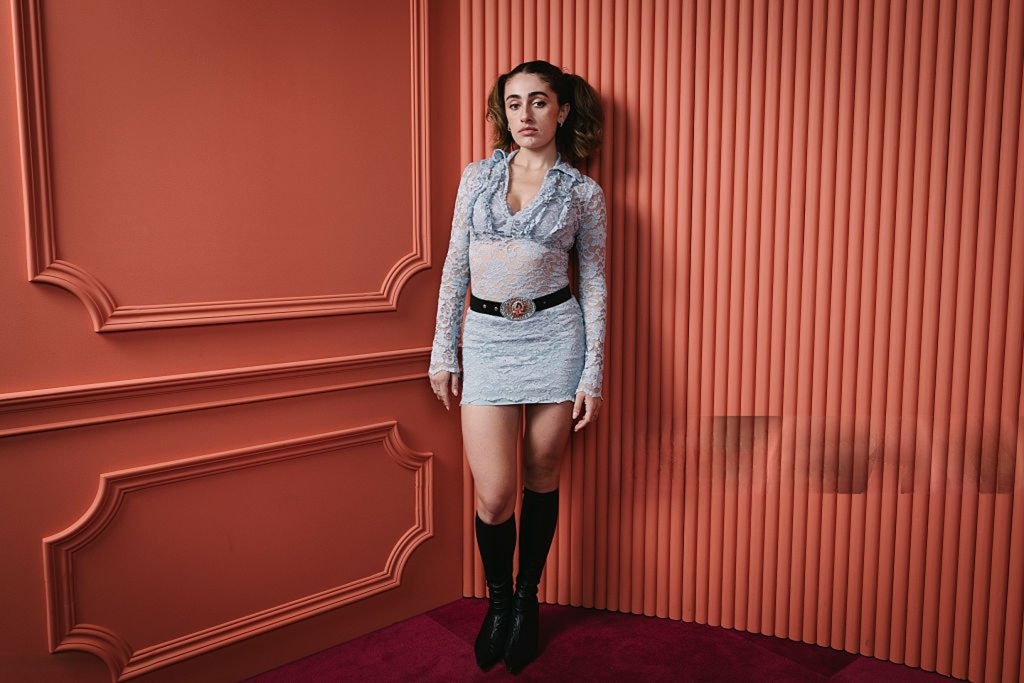

Rachel Sennott has emerged as one of the most distinctive voices in Gen Z Hollywood, carving out a space where indie film, sharp comedy, and cultural self-awareness meet. As an American actress, comedian, and writer, her rise has not been driven by traditional stardom but by specificity: awkwardness played honestly, humor rooted in discomfort, and characters that feel deeply modern.
This career breakdown traces Rachel Sennott’s career from her early comedy roots to her breakout moments, major films, cultural impact, and where her future trajectory appears to be heading.
Early Life and Comedy Roots
- Birthplace and upbringing: Rachel Sennott grew up in Massachusetts, where she developed an early comfort with humor, awkwardness, and observation rather than traditional dramatic performance.
- Early interest in comedy and performance: Comedy was her natural entry point. She gravitated toward characters who felt slightly out of sync with their surroundings, a sensibility that would later become central to her on-screen persona.
- Education and training (NYU Tisch School of the Arts): She studied acting at NYU Tisch, where she was immersed in performance while remaining closely connected to the New York comedy scene rather than a purely theatrical track.
- Stand-up comedy and online sketches as a foundation: During this period, stand-up comedy and online sketches became her primary training ground. Her material leaned into vulnerability, sexual honesty, and social discomfort—themes that would soon migrate directly into her film work.
First Screen Appearances and Indie Beginnings
Before mainstream attention, Rachel Sennott’s early roles came through independent films and short projects. These performances were often small, but they established a clear persona: characters who talk too much, feel too much, and are painfully self-aware.
Her transition from comedy circuits to acting felt natural. The timing of her reactions, the rhythm of her dialogue, and her comfort with silence all came from years of live performance. These Rachel Sennott indie films helped shape an on-screen presence that felt lived-in rather than performed.
Even in brief appearances, she stood out, not by demanding attention, but by making discomfort feel truthful.
Breakout Role – Shiva Baby (2020)
Everything changed with Shiva Baby. Directed by Emma Seligman, the indie comedy-drama premiered to strong festival buzz and quickly became a cultural touchstone.
Rachel Sennott plays Danielle, a young woman navigating a single disastrous afternoon at a shiva. The film’s tight setting amplifies social pressure, sexual anxiety, and family expectations.
Rachel Sennott’s breakout role resonated because it captured a very specific kind of modern stress. Danielle in Shiva Baby is not exaggerated or softened. She is messy, defensive, funny, and overwhelmed.
Shiva Baby established Sennott’s signature comedic-anxiety style and repositioned her from promising indie performer to a defining voice in contemporary comedy. Critics praised her ability to turn discomfort into momentum, and the film reshaped her career trajectory almost overnight.
Expanding Her Filmography After Shiva Baby
After Shiva Baby, the challenge was avoiding typecasting while still leaning into what worked. Rachel Sennott’s movies from this phase show a careful balance. She remained rooted in indie cinema, but chose projects that pushed her persona into new tonal spaces.
Working with ensemble casts and genre films allowed her to expand her range without abandoning her voice. Her filmography during this period reflects intention rather than speed, reinforcing her credibility while slowly increasing visibility.
Bodies Bodies Bodies (2022)
In Bodies Bodies Bodies, produced by A24, Sennott entered satirical horror. The film operates as Gen Z satire, blending slasher tropes with internet-era language and social dynamics.
Within the ensemble cast, Rachel Sennott’s role functions as comic relief and social commentary. Her performance taps into online culture, privilege, and performative progressiveness, making the film especially resonant with younger audiences.
The horror comedy received mixed box office results but strong cultural engagement. Memes, quotes, and social media clips extended their life far beyond theaters, reinforcing Rachel Sennott’s appeal to Gen Z audiences.
Bottoms (2023)
Bottoms marked a creative leap. Reuniting with Emma Seligman, Sennott not only starred but also co-wrote the film.
This queer teen comedy flips familiar high-school tropes into absurdist territory. As a co-lead, Sennott balances chaos with control, delivering a performance that is broader than Shiva Baby but just as intentional.
Rachel Sennott wrote Bottoms alongside Seligman, bringing her comedic voice directly onto the page. The film’s LGBTQ+ cinema positioning, combined with its unapologetic tone, helped it develop cult appeal.
While the box office was modest, the cultural impact was significant. Bottoms solidified Sennott as not just a performer but a creative force capable of shaping tone, dialogue, and structure.
Television, Streaming, and Sketch Comedy Work
Beyond film, Rachel Sennott’s TV roles and streaming appearances reflect her continued interest in comedy as experimentation. Guest roles, sketch appearances, and short-form projects allow her to test material and remain connected to comedy communities.
Rather than chasing long-running television fame, she uses streaming platforms selectively. This approach keeps her film work central while allowing television comedy to complement her broader career.
Rachel Sennott as a Comedian and Writer
At her core, Rachel Sennott the comedian predates Rachel Sennott the actress. Her stand-up comedy style is rooted in awkward honesty, sexual politics, and generational discomfort. She often writes from personal embarrassment, turning social friction into humor.
As a comedy writer, her voice is unmistakable. Themes of insecurity, performative confidence, and emotional contradiction recur across her work. Collaboration remains key. Working with filmmakers like Emma Seligman allows her humor to stay sharp while evolving structurally.
This balance between performance and authorship positions her differently from peers who only act.
Cultural Impact and Gen Z Appeal
Rachel Sennott’s cultural impact lies in recognition. Her characters feel familiar to audiences raised on social media, dating apps, and constant self-evaluation. She resonates because she refuses polish.
Memes, quotes, and online discourse often circulate her performances. Without aggressively cultivating a brand, she has become a Gen Z icon through authenticity. Compared to other modern comedy actresses, her work feels less aspirational and more observational.
Her presence reflects a broader shift in modern comedy, where discomfort is not resolved but explored.
Acting Style and On-Screen Persona
Rachel Sennott’s acting style is defined by anxiety-driven humor, rapid dialogue, and sharp self-awareness. She excels in character-driven comedy, where emotional rhythm matters more than punchlines.
Her work blends verbal delivery with subtle physical comedy. Small gestures, pauses, and glances often carry as much weight as dialogue. Across projects, her persona shifts slightly, but the core remains: honesty over likability.
This consistency makes her performances cohesive without becoming repetitive.
Awards, Recognition, and Critical Reception
While Rachel Sennott’s awards recognition has been modest, critical acclaim has been steady. Film festivals championed Shiva Baby, and critics consistently cite her as a standout performer.
Industry perception frames her as a rising talent with long-term potential. Rather than early overexposure, her career has been shaped by trust from filmmakers and critics alike.
Upcoming Projects and Career Trajectory
Looking ahead, Rachel Sennott’s future projects suggest continued balance. She appears poised to move between upcoming films that offer broader visibility and indie projects that preserve creative control.
Her career trajectory points toward deeper involvement behind the camera. Writing and possibly directing feel like natural next steps. Rather than a full mainstream pivot, her path suggests selective crossover.
In an industry often driven by speed, her slow build feels intentional.
Rachel Sennott’s career summary is one of precision rather than scale. From indie breakout to cultural figure, she has built a body of work that values specificity, discomfort, and truth.
As an actress, comedian, and writer, she represents a new kind of creative longevity. Not defined by box office numbers or franchises, but by voice. In a crowded landscape, that voice feels increasingly rare.