
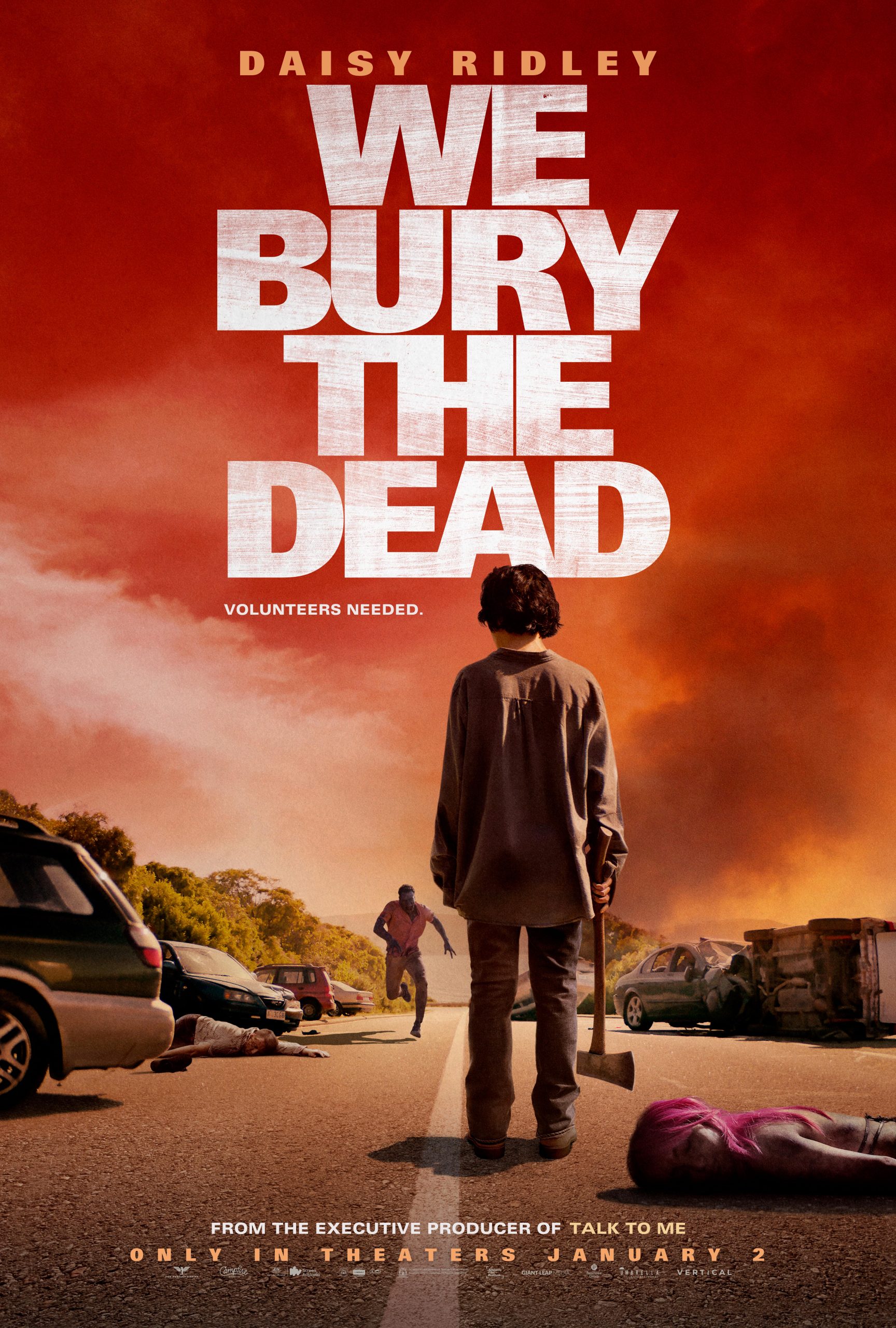
We Bury the Dead(2026)
Vertical Entertainment Jan 2, 2026 | Wide

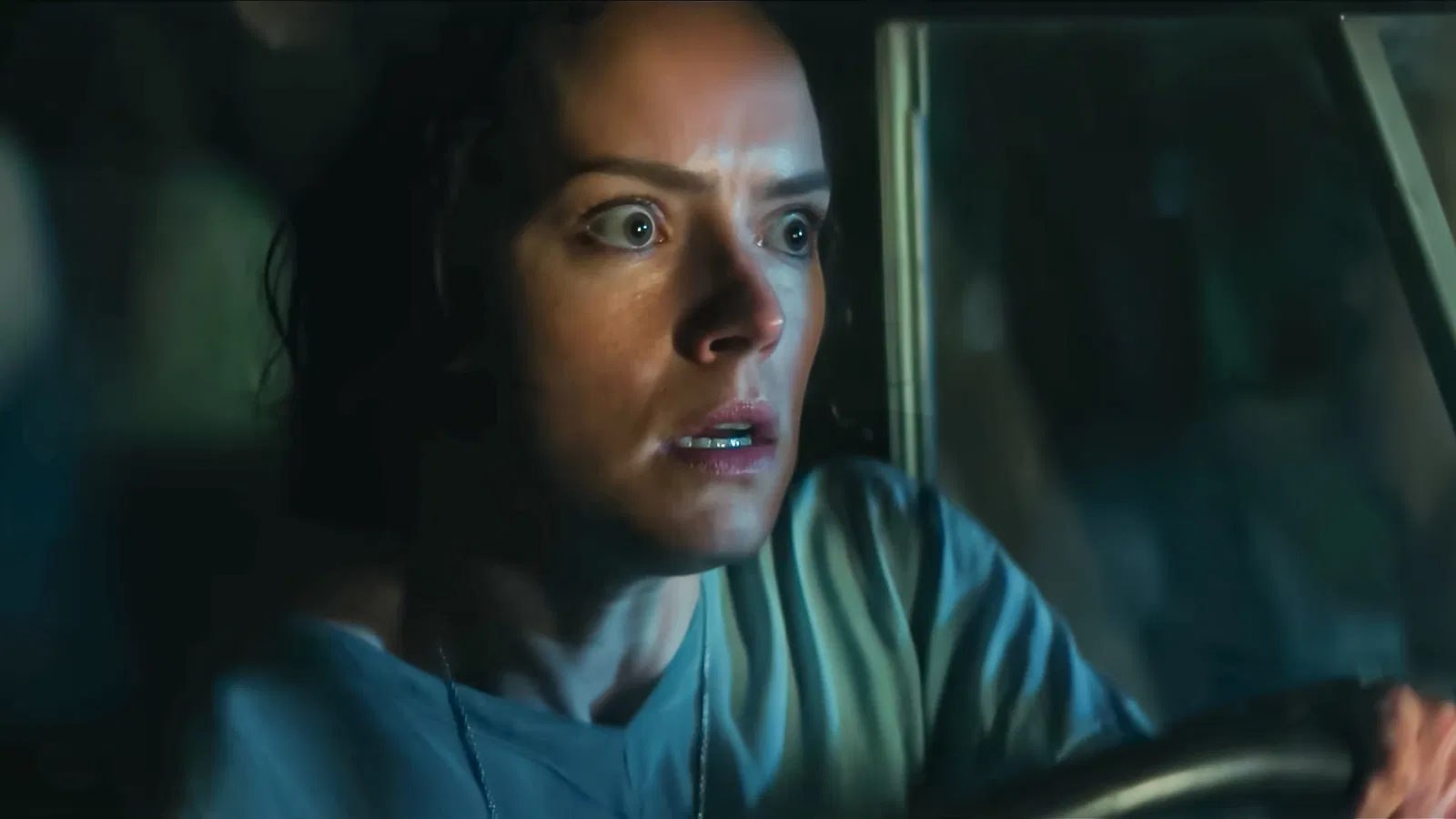
After a catastrophic military disaster, the dead don't just rise - they hunt. Ava searches for her missing husband, but what she finds is far more terrifying.
Releases
Original Release | Jan 2, 2026
View Advanced Data Watch on
Box Office Results
Updated as of Mar 22, 2026 11:12 AM ET
Results
$2,502,075
$3,711,918
$171,754
$3,883,672
Current Showtimes
orround
- Mon Mar 30
- Tue Mar 31
- Wed Apr 1
- Thu Apr 2
- Fri Apr 3
- Sat Apr 4
- Sun Apr 5
Director & Top Cast
Other Details
Country of Origin: Australia,United States
Language: English
Summaries
Frequently Asked Questions
Who stars in We Bury the Dead?
Who directed the film?
What is We Bury the Dead about?
Is this a zombie movie?
Where is the film set?
Has the 2026 release been confirmed?
What kind of audience is this film for?
Fun Facts
Similar Movies
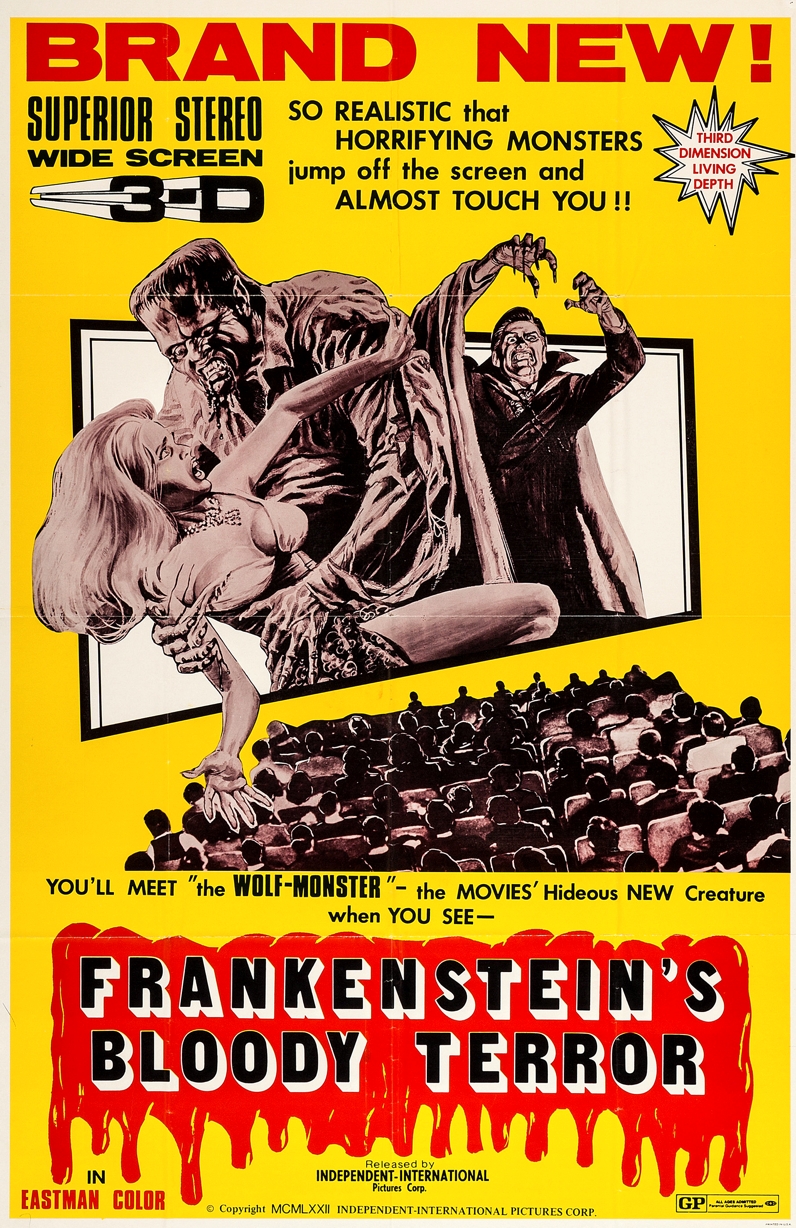
Frankenstein’s Bloody Terror
1h 18m
Fantasy, Horror
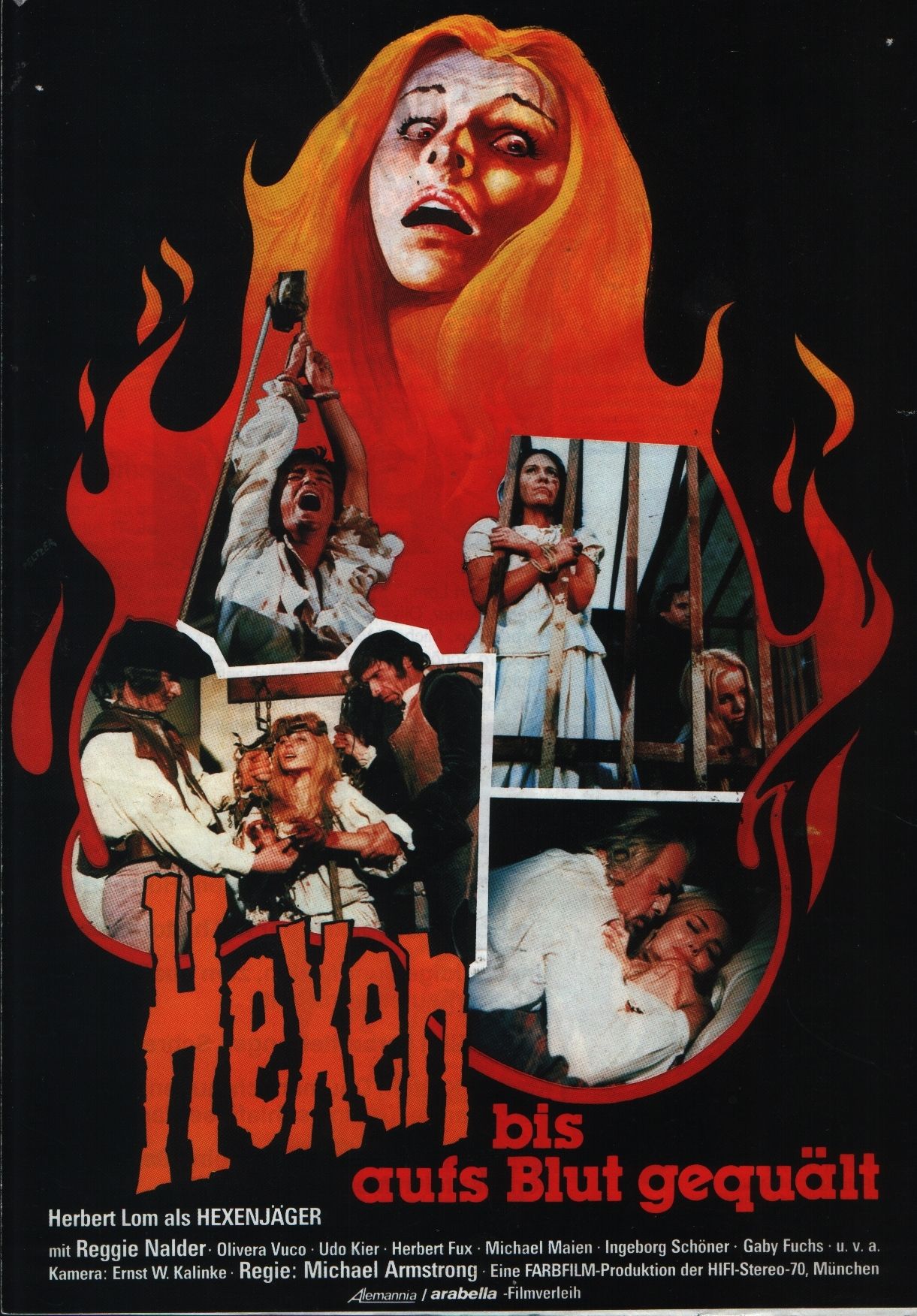
Mark of the Devil
1h 30m
Drama, History, Horror, Thriller
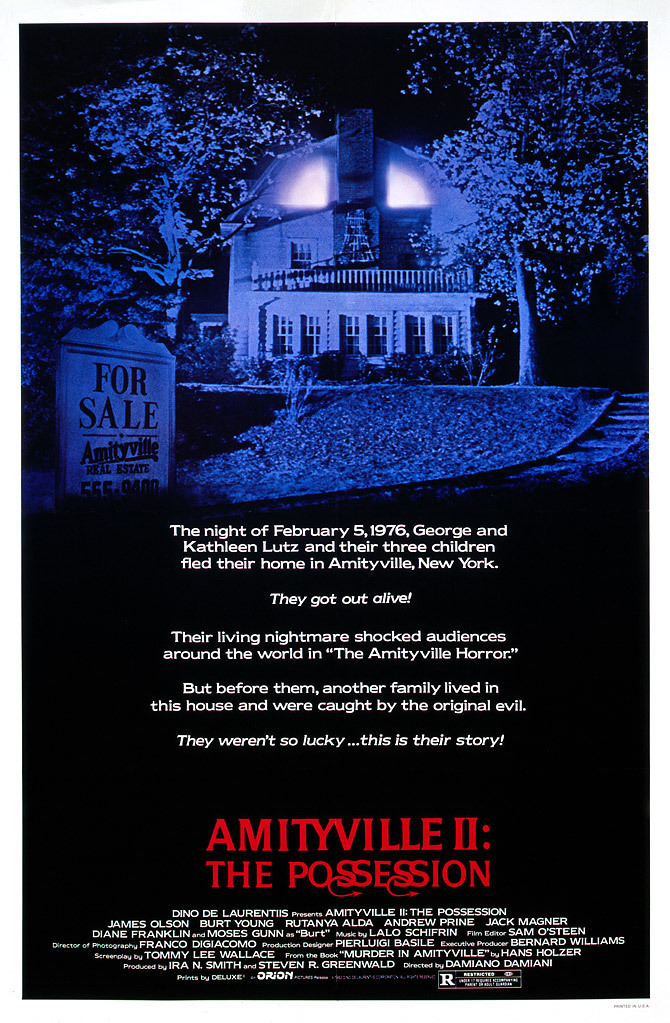
Amityville II: The Possession
1h 44m
Horror
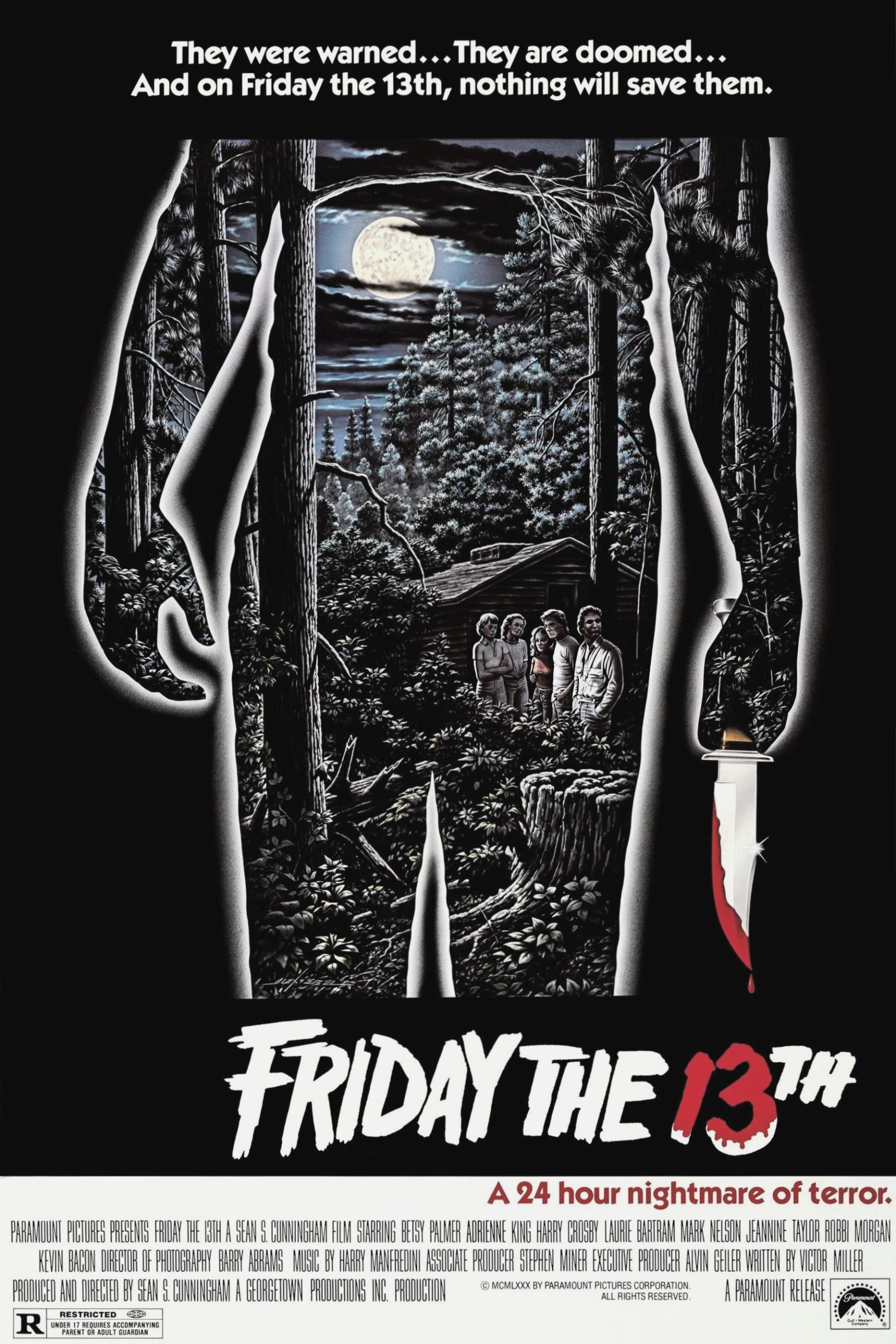
Friday the 13th
1h 35m
Horror, Mystery, Thriller
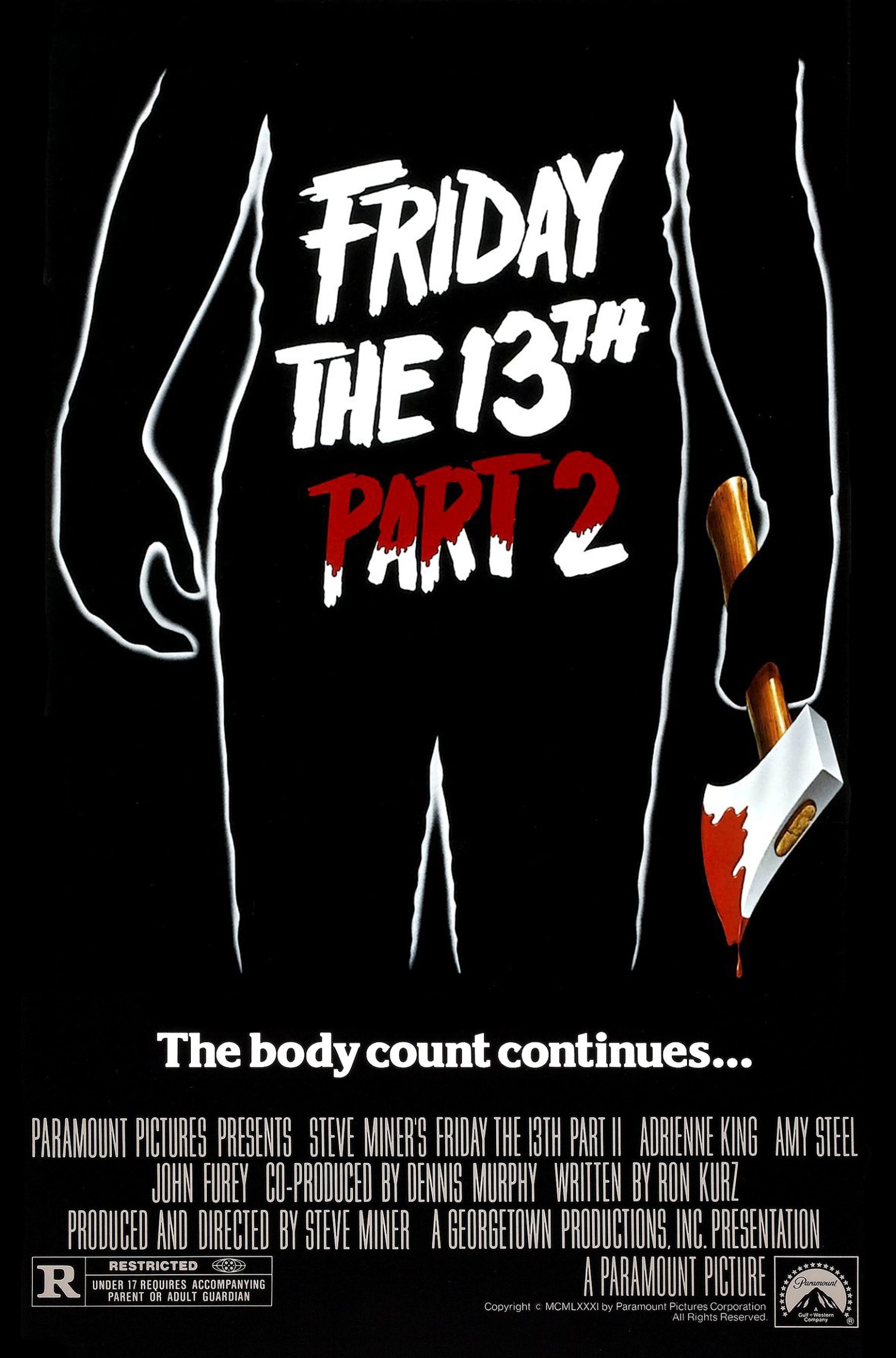
Friday the 13th Part 2
1h 27m
Horror, Mystery, Thriller
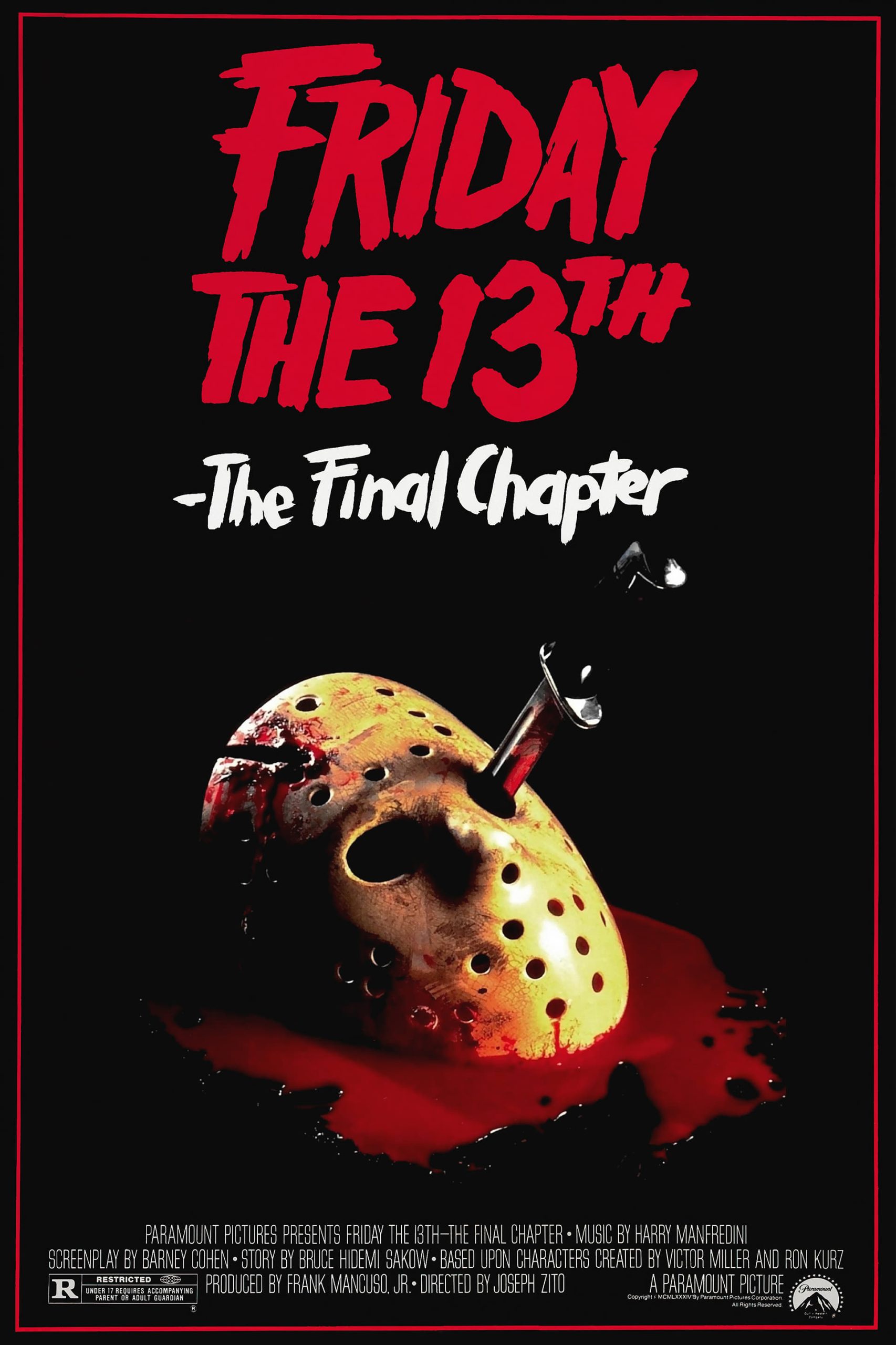
Friday the 13th: The Final Chapter
1h 31m
Horror, Thriller