
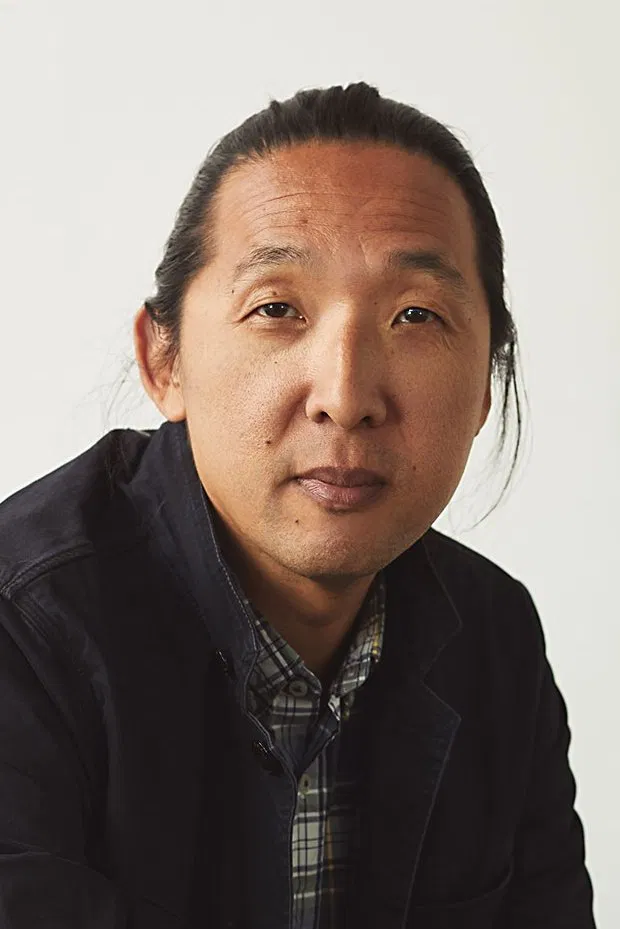
Kogonada
Birthplace: Seoul, South Korea
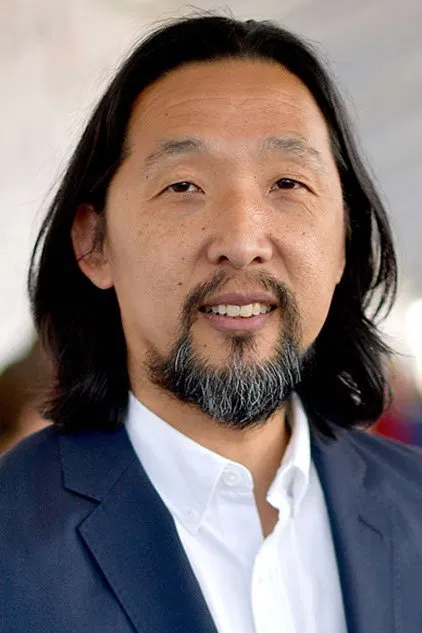
Kogonada (birthname: Joong-Eun Park) is a Korean-born, U.S.-based filmmaker who garnered attention as the maker of video essays (many commissioned by BFI, Sight & Sound and the Criterion Collection) exploring the works of major film artists Yasujiro Ozu, Stanley Kubrick, Robert Bresson, Ingmar Bergman, Hirokazu Kore-eda and Richard Linklater, among others, while also launching into filmmaking (credited by his original name E. Joong-Eun Park) with the mid-length non-fiction film on school lunch reform, Lunch Line (2010), with co-director Michael Graziano, with whom Kogonada was also cinematographer of the short non-fiction film, Young Arabs (2008) and producer of the non-fiction science film, Resistance (2015).
Kogonada (again as E. Joong-Eun Park) was the director/writer/cinematographer/editor of the Ozu-inspired drama Late Summer (2012), starring Molly Breen, Michelle Lynn Hardin, and Jasmine Joyner. Then Kogonada was director/writer of his remarkable second narrative feature, Columbus (2017), starring John Chu, with Haley Lu Richardson, Michelle Forbes, Rory Culkin, and Parker Posey, premiering to great acclaim at the Sundance Film Festival and then released by The Sundance Institute.
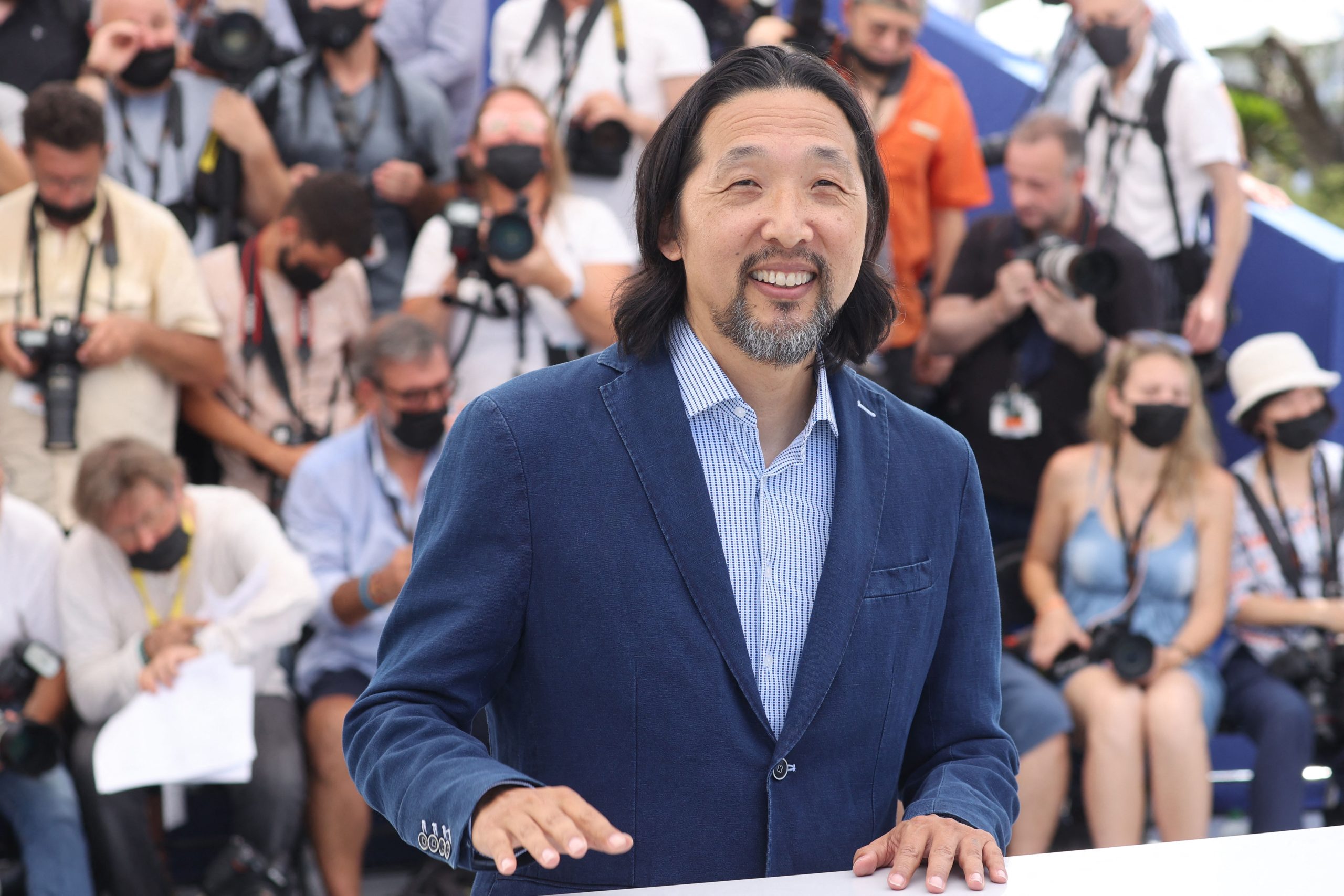
Kogonada was the director/writer of the sci-fi drama, After Yang (2021), based on Alexander Weinstein’s story, “Saying Goodbye to Yang,” starring Colin Farrell, Jodie Turner-Smith, Justin H. Min, and Haley Lu Richardson, premiering in competition in the Un Certain Regard selection at the Cannes Film Festival and produced and released by A24 and Showtime.
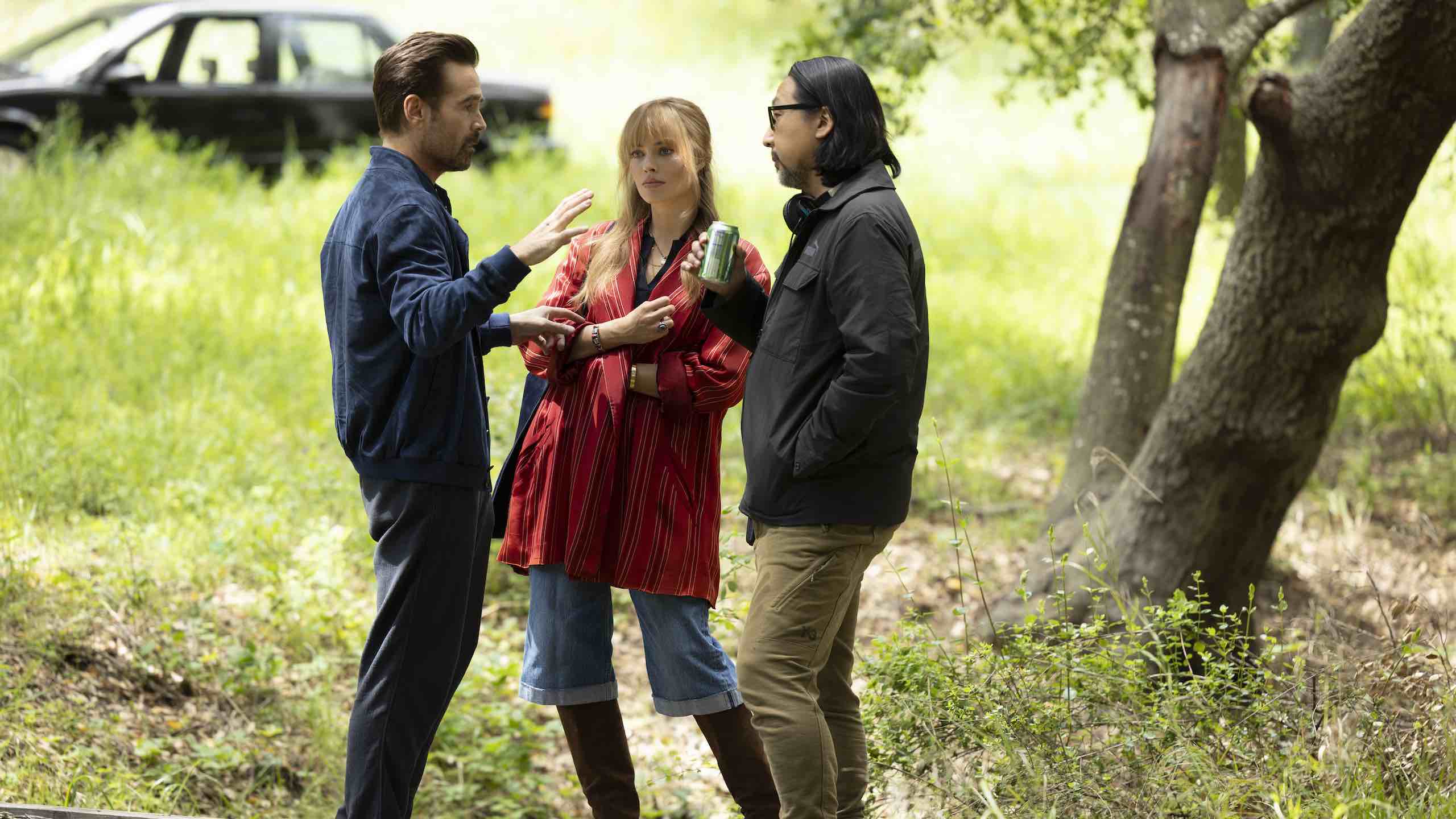
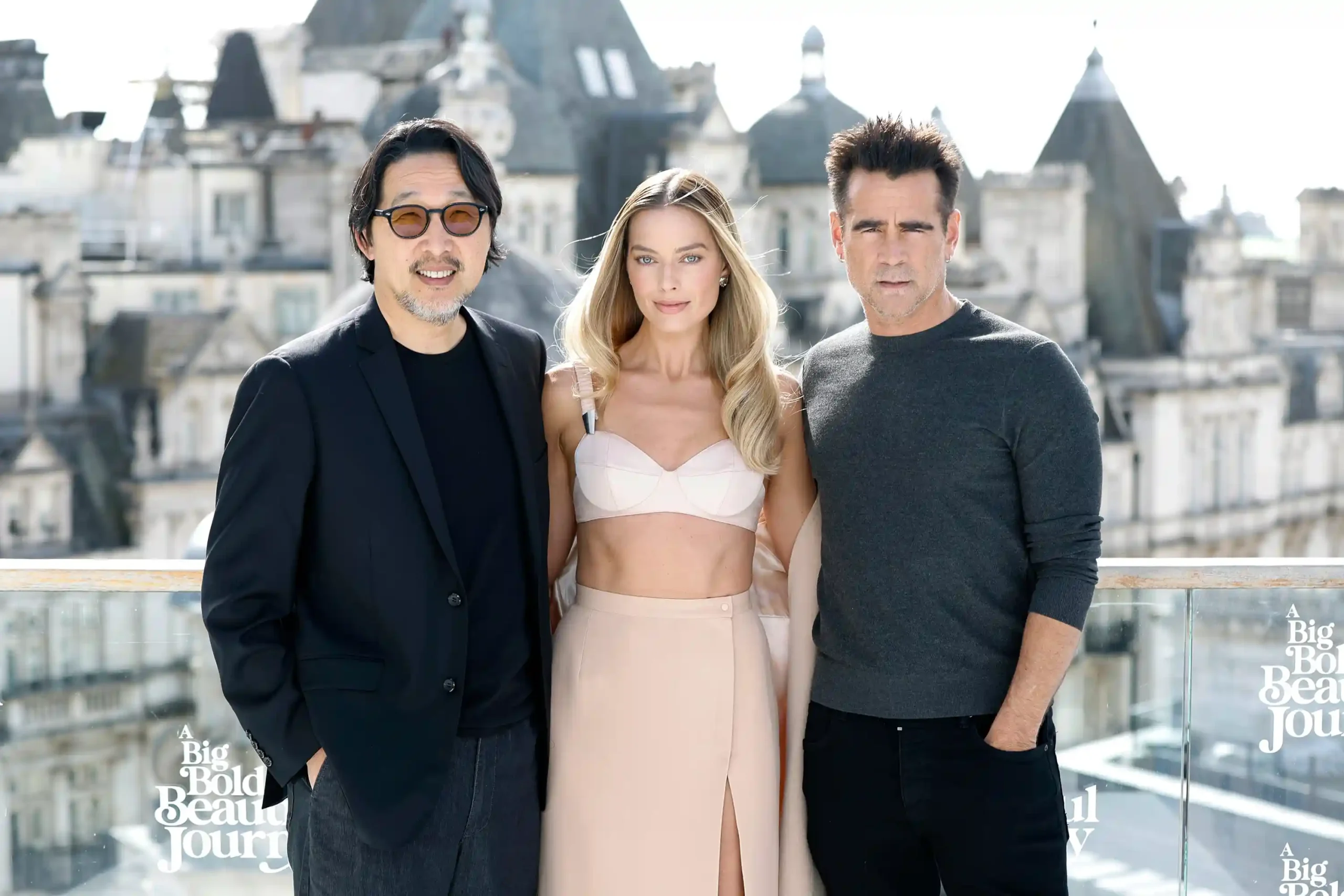
Kogonada continued with lead actor Farrell for the first feature he didn’t write, the romantic fantasy A Big Bold Beautiful Journey (2025), written by Seth Reiss and co-starring Margot Robbie, with Kevin Kline, Phoebe Waller-Bridge, Lily Rabe, Jodie Turner-Smith, Billy Magnussen and Sarah Gadon, produced by Columbia Pictures/Imperative Entertainment/30West/Original Films/Chapel Place Productions and released wide by Sony Pictures Releasing.
Kogonada Photos and Videos
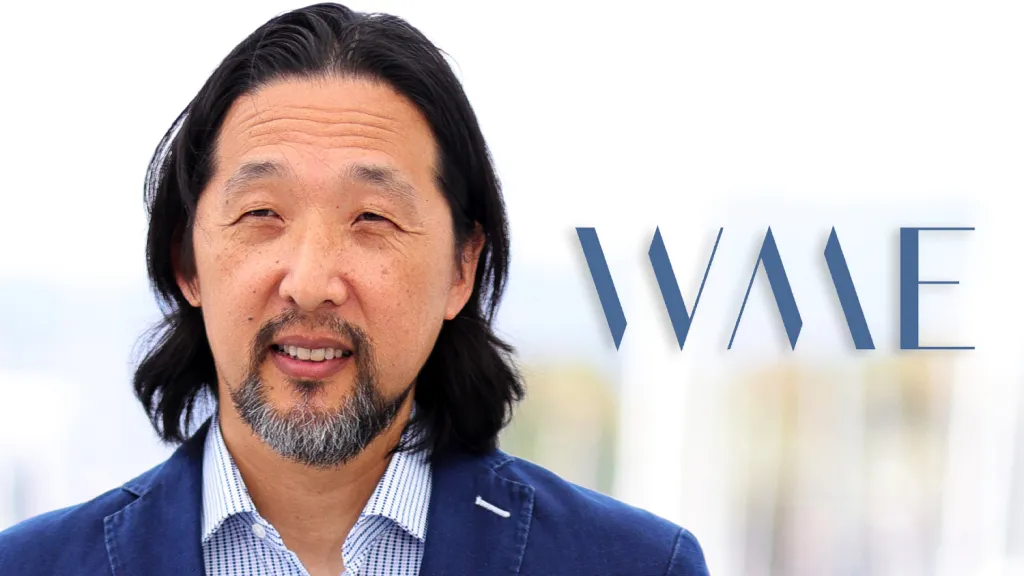
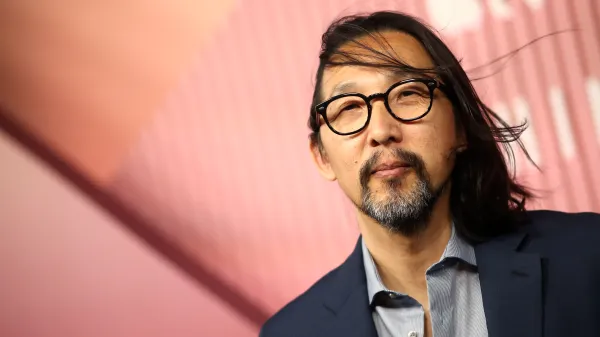
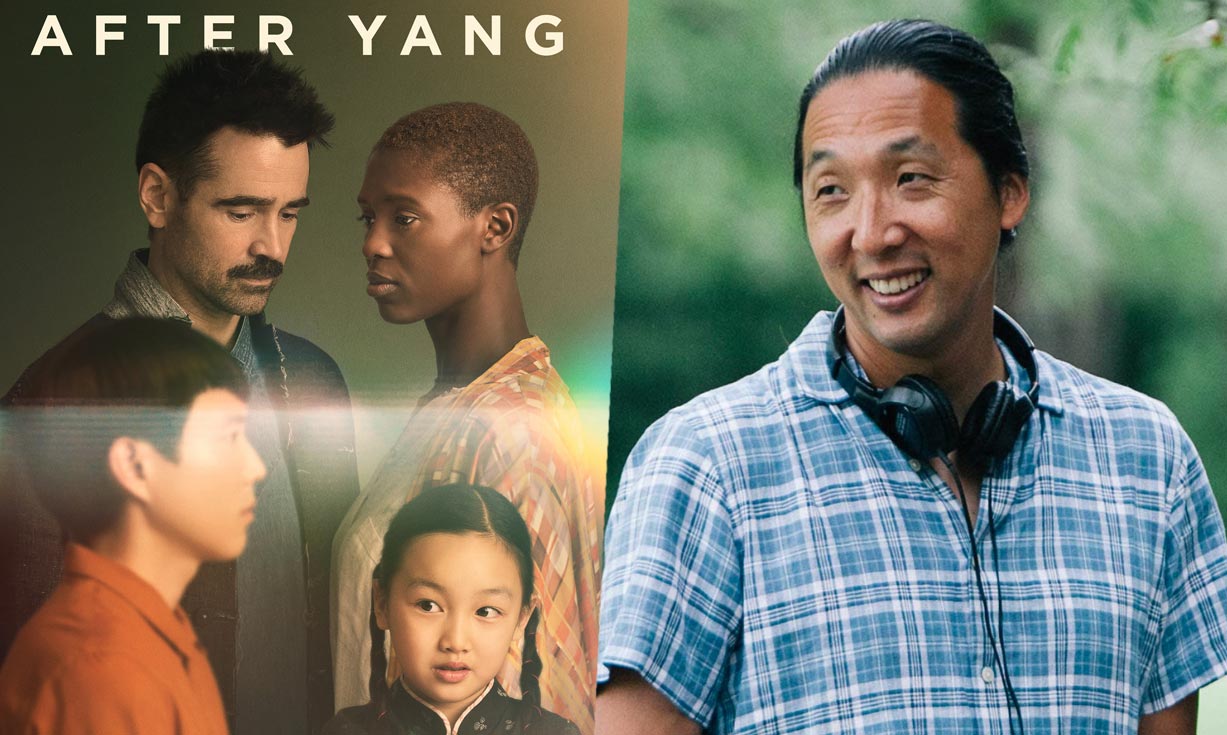
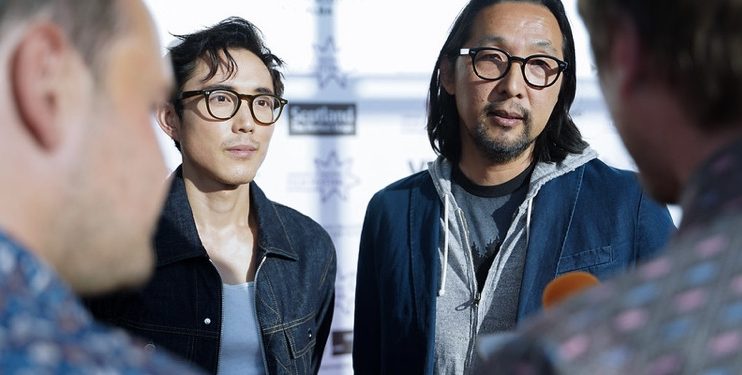
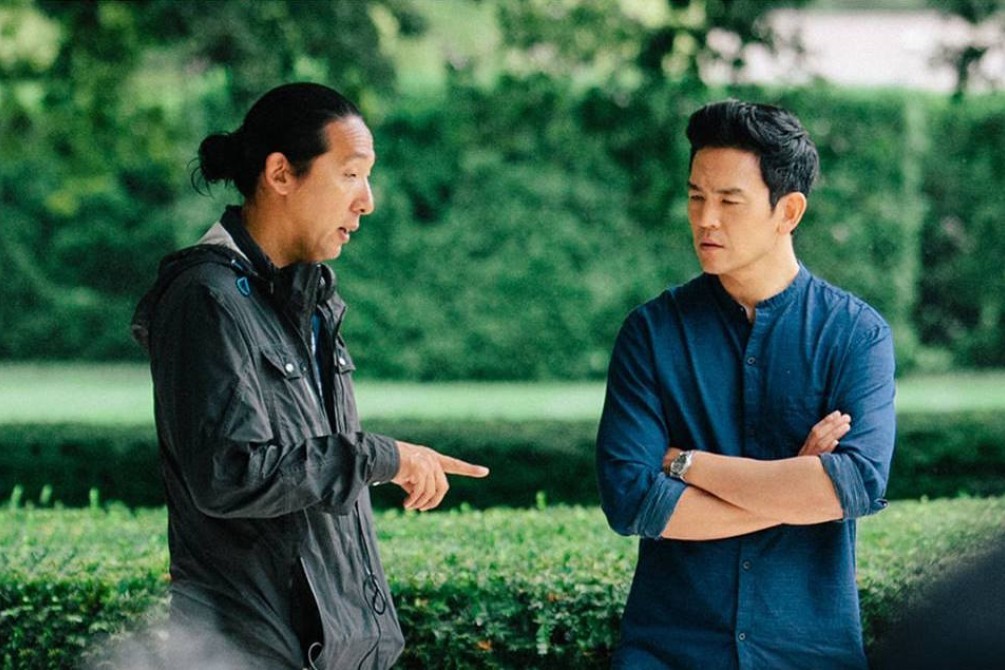
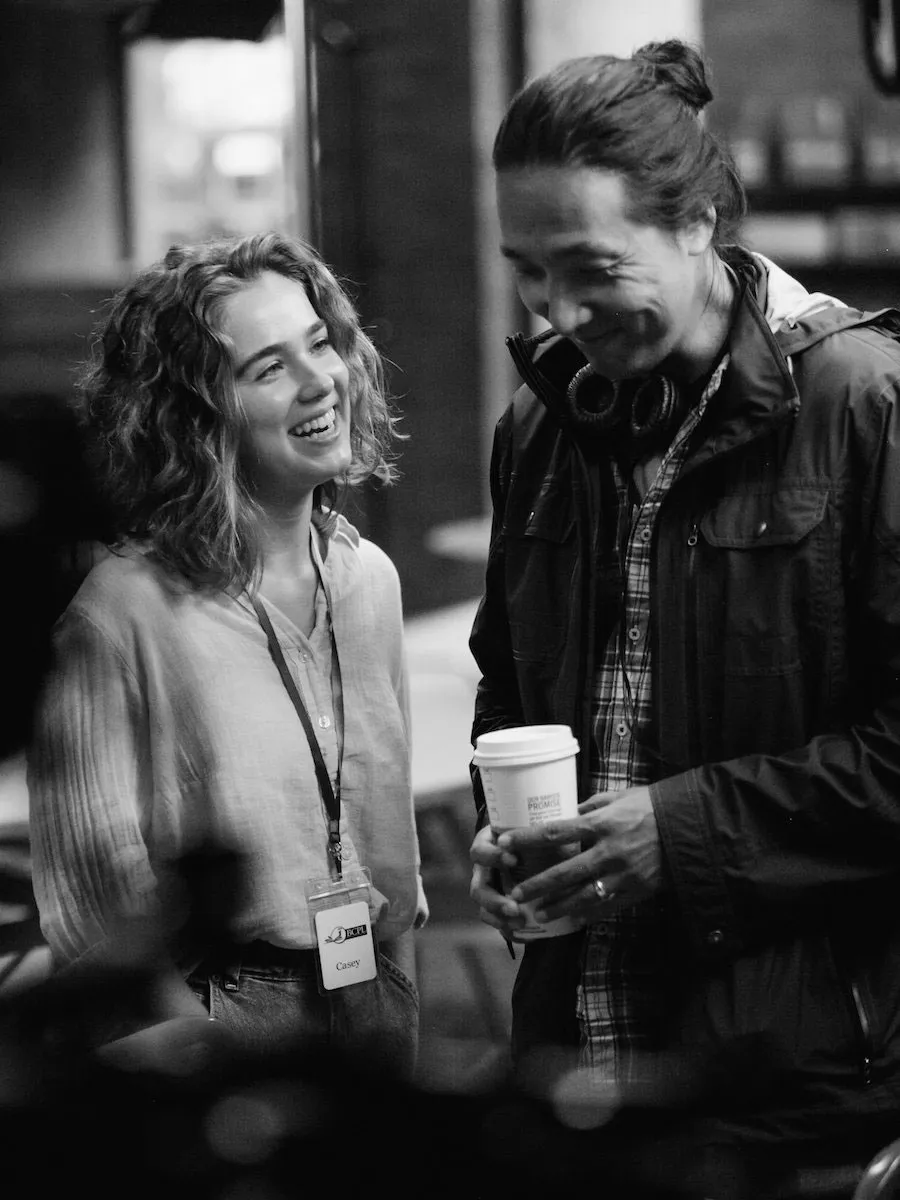


Personal life
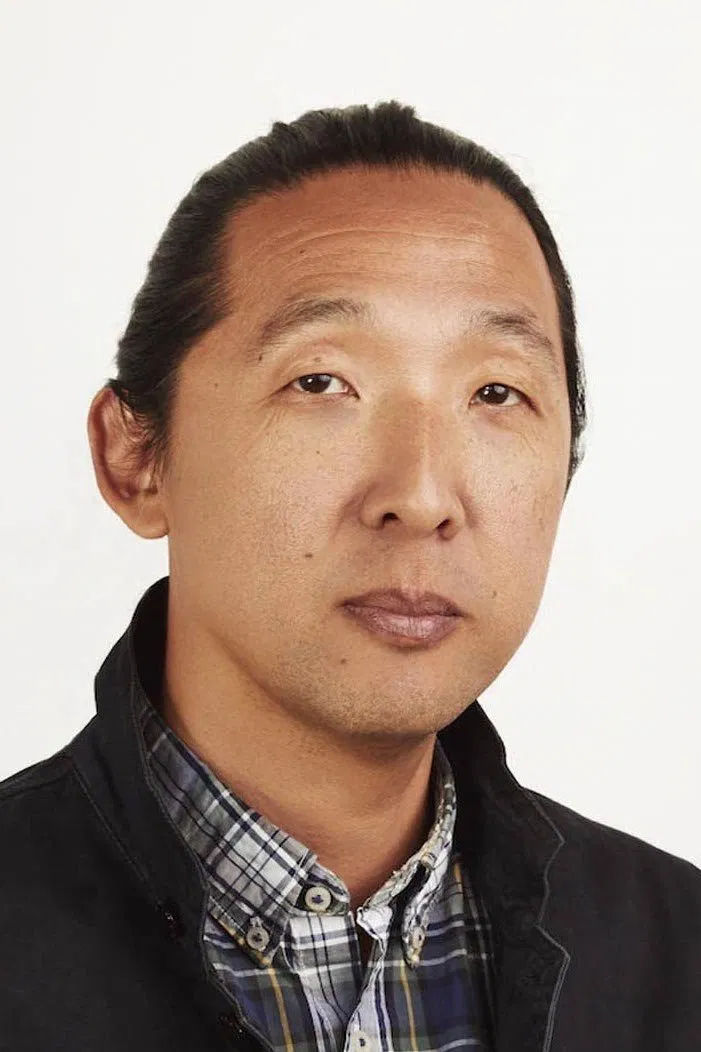
Kogonada was born and raised in Seoul, South Korea, and then in Louisville, Kentucky, in Indiana, and in Chicago by his Korean parents, who emigrated to the U.S. when he was a child. Kogonada is married; he and his wife have a child.
Known For

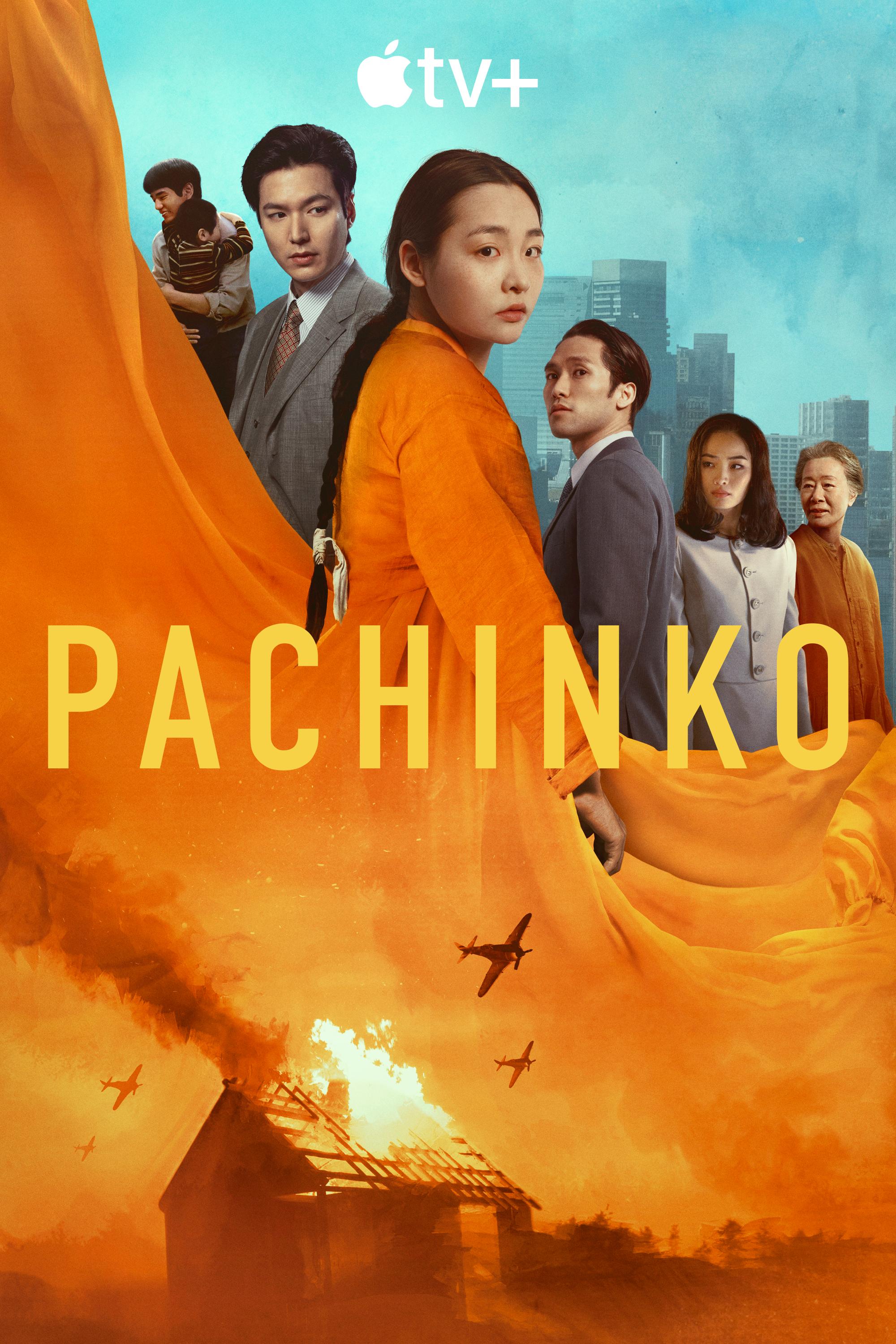
Kogonada Movies
director
Previous (3)
- 2025 |
A Big Bold Beautiful Journey
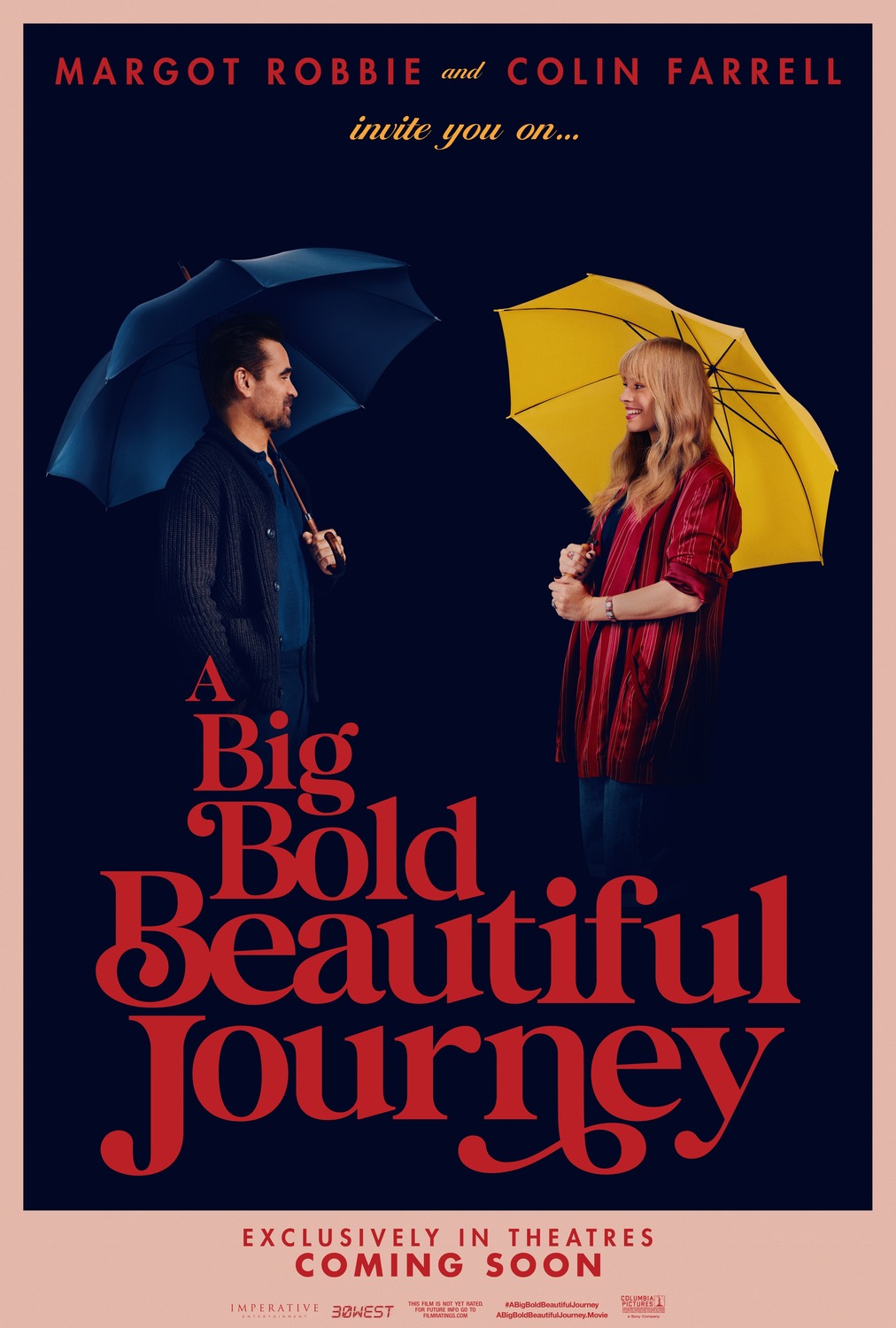
Two strangers who meet at a mutual friend's wedding have the chance to relive important moments from their pasts, illuminating the path that led them to the present and gaining the opportunity to change their futures.
- 2022 |
After Yang

In a near future, a family reckons with questions of love, connection, and loss after their A.I. helper unexpectedly breaks down.
- 2017 |

actor
Previous (1)
Facts About Kogonada
Pseudonym: Kogonada’s name is a pseudonym in honor of Japanese screenwriter, Kogo Nada, the regular writer collaborator for filmmaking master Yasujiro Ozu.
Ozu Fascination: Kogonada’s fascination with Ozu as a supreme film artist crystallized with his Ph.D on the work of Ozu, in part inspired by his reading of Paul Schrader’s seminal cinema book, The Transcendental Style in Film.


People Also Searched For