
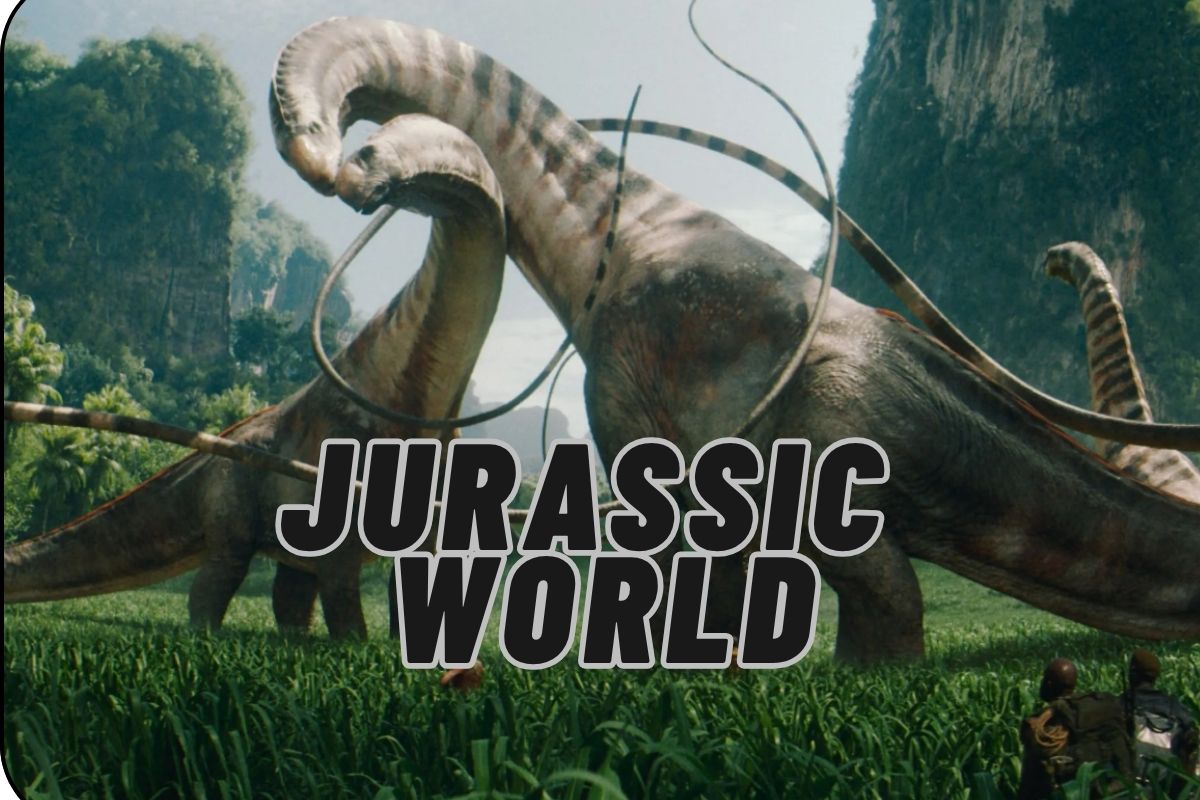
Rotten Tomatoes be damned. With a 51% critic score and a flood of mixed reviews, Jurassic World: Rebirth still charged into theaters like a T-Rex with a mission. And it didn’t stop until it made its mark as one of the biggest 2025 box office hits. A rebirth indeed.
Box Office Performance Breakdown
Opening on July 2, 2025, just ahead of the July 4th weekend, Jurassic World: Rebirth launched with a thunderous $147.3 million opening weekend in North America. Globally, it tore through 80+ territories, racking up $318 million in its opening frame. The Jurassic World: Rebirth opening weekend merely set the tone for what was to follow.
By early August, the film had reached a staggering $766.9 million worldwide, securing its place as one of the highest-grossing films of the year. It also became Universal’s top-grossing release of 2025, signaling a major win in a franchise-heavy lineup.
In comparison with previous Jurassic World movies, it held its own. It matched the legacy of the Jurassic World franchise’s performance. Its success adds another feather to Gareth Edwards‘ Jurassic World Rebirth résumé and proves that calculated direction can surely help you dominate global charts.
Comparison to 2025 Blockbusters
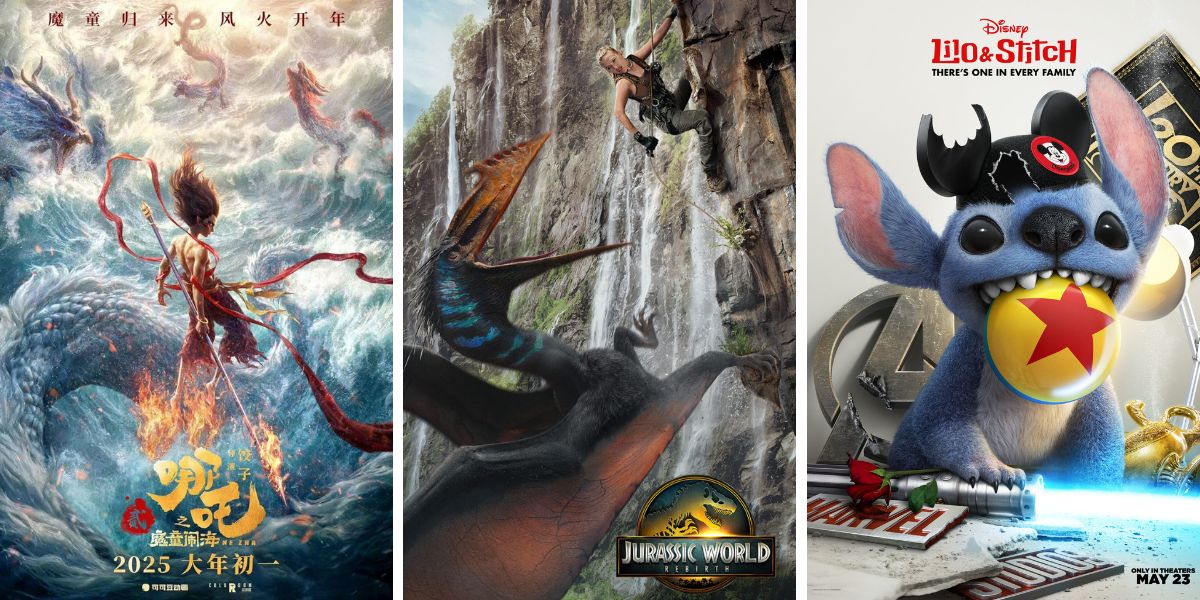
In a year filled with tentpoles, Jurassic World: Rebirth emerged as the fourth-highest-grossing film of 2025, just behind Ne Zha 2 (2025), Lilo & Stitch (2025), and A Minecraft Movie. That’s not just a box office number – that’s dominance. It cemented its place among the biggest 2025 box office hits.
Placement Alongside Other Major Releases
What makes Rebirth even more impressive is that it wasn’t a guaranteed hit. It entered a crowded summer landscape of multiverse fare and animated powerhouses. While Lilo & Stitch tugged at heartstrings and A Minecraft Movie (2025) tapped into gamer nostalgia, Rebirth offered something increasingly rare: focused, thrilling, and emotionally resonant blockbuster filmmaking.
Despite being the sixth entry in a franchise long accused of fatigue, it managed to feel fresh. Thanks to its simple narrative and grounded tone. It stood apart from overengineered releases by going back to basics.
Production and Cast
One of the film’s most strategic strengths? It’s cast. Scarlett Johansson, Mahershala Ali, and Jonathan Bailey brought range, charisma, and a kind of credibility that elevated the material. Each added emotional weight to a story that could’ve easily relied solely on spectacle.
Overview of Cast: Scarlett Johansson, Mahershala Ali, Jonathan Bailey
Scarlett plays a paleobiologist haunted by past research. Her performance, already being talked about as a standout moment in the Scarlett Johansson Jurassic World Rebirth arc, balances scientific resolve with personal guilt. Mahershala, a conflicted military officer sent to “clean up” the island. And Jonathan Bailey? A data scientist with a conscience and a secret.
Their performances helped elevate the film beyond its genre trappings, making audiences invest in the story beyond the roars and chases.
Details on Production Budget ($180 million)
With a production budget of $180 million, Jurassic World: Rebirth was significantly more cost-effective than its predecessors (Fallen Kingdom clocked in over $200M). That strategic spend, combined with global reach, made it one of the best-performing films in terms of ROI among major blockbusters this year.
The leaner budget also forced a smarter script—David Koepp, screenwriter of Jurassic Park, returned to his roots, delivering a tighter, more emotionally intelligent screenplay that echoed the original 1993 magic.
Critical Reception: Rotten Tomatoes Score (51%) & A Summary Of Mixed Reviews
Jurassic World Rebirth reviews were decidedly mixed. Critics praised the grounded tone and atmospheric storytelling but found fault with its pacing and sparse subplot depth. On Rotten Tomatoes, it landed at 51%, a score that might have doomed a lesser film.
But Rebirth wasn’t aiming to please critics; it was aiming to win back the fans. And it did.
Despite the divisive critical consensus, audiences turned out and returned for the same reason they did in 1993: awe. Word-of-mouth proved far stronger than the critical skepticism, making Rebirth the rare dinosaur flick that earned both legacy fans and a new generation of moviegoers.
Conclusion
Jurassic World: Rebirth is more than a successful sequel; it marked a creative reset. It honored the past, leveraged modern technology, and reminded us that when done right, legacy sequels can still inspire wonder.
It’s a film that didn’t just roar at the box office. It echoed.