

The film industry has always thrived at the crossroads of art and innovation. From the arrival of sound in the 1920s to CGI in the 1990s, every technological leap sparked doubt—then revolutionized storytelling.
Today, we’re at another inflection point. Artificial intelligence, streaming dominance, virtual production, and global audiences are redefining what “film” even means. The future of cinema isn’t coming—it’s already unfolding.
1. The Streaming Revolution: Redefining How Films Are Made and Seen
The biggest shift in 21st-century cinema began not on a soundstage, but on your living room screen. Streaming platforms like Netflix, Disney+, Amazon Prime Video, and Apple TV+ have transformed both film distribution and creative development.
Where studios once prioritized theatrical runs and DVD sales, success is now measured in hours viewed and subscriber retention. This has blurred the line between film and television—limited series now boast cinematic production values, while major films debut straight to streaming.
For filmmakers, this means greater creative freedom: experimental formats, diverse voices, and serialized storytelling once deemed “too risky” for theaters now thrive. For audiences, it means unprecedented access—but also an ongoing debate: Is cinema still cinema if it’s not on the big screen?
2. Theatrical Survival: Why Movie Theaters Aren’t Going Anywhere
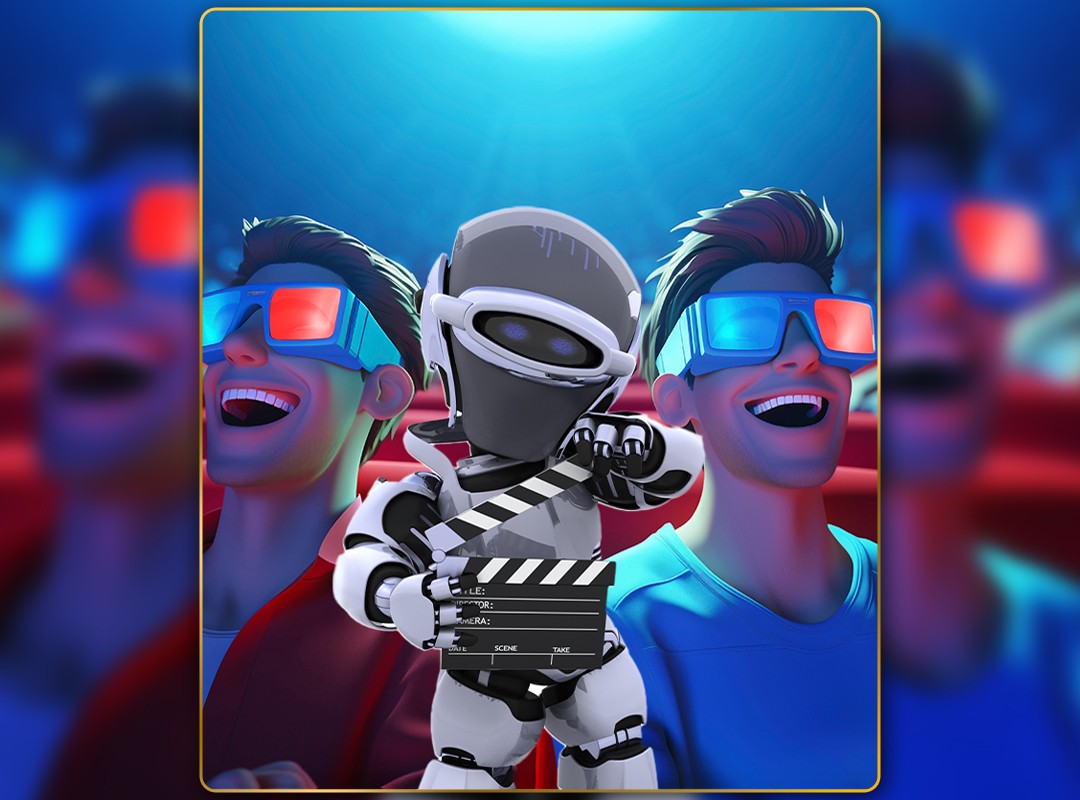
Despite decades of “the death of cinema” headlines—first from TV, then VHS, then streaming—movie theaters endure. Why? Because cinema is a ritual.
The collective gasp, the immersive IMAX sound, the shared emotional journey—these can’t be replicated at home. Recent events like “Barbenheimer” (2023) proved that audiences will flock to theaters when films feel culturally essential.
Going forward, theatrical releases will double down on spectacle: premium formats (IMAX, Dolby Cinema), event-style premieres, and community programming. Meanwhile, smaller films will adopt hybrid models—festival runs, limited theatrical windows, then digital—maximizing reach without sacrificing impact.
3. Artificial Intelligence in Film: Collaborator or Threat?
AI in film production is the most disruptive force since CGI—and it’s touching every stage of filmmaking.
- Pre-production: AI analyzes scripts, predicts audience reactions, and even drafts dialogue options to help writers overcome blocks.
- Production: Tools simulate casting choices, scout locations virtually, and power real-time previs (pre-visualization).
- Post-production: AI automates rotoscoping, crowd generation, and background replacement—slashing VFX costs and timelines.
- Controversially, deepfake tech is used to de-age actors or digitally recreate performers who’ve passed away.
But ethical questions loom large:
Who owns an AI-generated performance?
Should actors be paid for digital likenesses used indefinitely?
These aren’t hypotheticals—they’re central to 2025 union negotiations and copyright law. The answer will shape cinema’s next era.
4. Virtual Production: The Rise of the Digital Stage
If AI is the talk, virtual production is the walk. Popularized by The Mandalorian, LED volume stages let filmmakers shoot actors against dynamic, real-time digital environments—no green screen needed.
Benefits?
✅ Realistic lighting and reflections
✅ Instant scene adjustments (weather, time of day)
✅ Actors perform in context, boosting authenticity
Once reserved for blockbusters, scaled-down virtual production tools are now accessible to indie filmmakers—democratizing high-end visuals and making mid-budget films more viable than ever.
5. Data-Driven Storytelling: When Algorithms Meet Art
Streaming platforms don’t just distribute films—they study how we watch them. Pause rates, rewinds, drop-off points—this data now influences everything from intro length to narrative pacing.
Critics fear this reduces art to algorithms. But data can also amplify underrepresented voices. Consider how South Korean cinema exploded globally—not just through word-of-mouth, but via algorithm-driven recommendations on Netflix.
The key? Balance. Data should inform—not dictate—creative choices. After all, the most transformative stories often defy prediction.
6. The Globalization of Cinema: Beyond Hollywood
Hollywood no longer owns the global conversation. Thanks to streaming, international cinema is thriving:
- Bollywood and regional Indian films reach new audiences worldwide
- Nollywood (Nigeria) produces thousands of films annually, connecting with diasporas
- Korean, Brazilian, French, and Japanese stories now shape global pop culture
This shift does two things:
- Diversifies storytelling—you can watch a Nigerian drama, a French romance, and a Japanese anime in one weekend
- Fuels co-productions and cross-cultural genres that reflect our interconnected world
7. The Audience as Creator: From Viewers to Co-Creators
Today’s audiences aren’t passive. On TikTok, YouTube, and Instagram, fans create edits, memes, reaction videos, and fan theories that become part of a film’s legacy—sometimes even influencing studio decisions.
Marketing has evolved, too: trailers matter, but so do viral challenges and interactive campaigns. The studio-audience relationship is now a two-way conversation, not a broadcast.
Bonus Trend: Green Filmmaking and Sustainability
As climate concerns grow, the film industry is embracing sustainable production practices:
- Virtual sets reduce physical waste
- Carbon-neutral initiatives on major shoots
- Reusable sets and energy-efficient lighting
The future of film won’t just be judged by box office—it’ll be measured by ecological responsibility.
The Human Element: Why Technology Can’t Replace Storytelling
Amid all this innovation, one truth remains: cinema is human.
- AI can generate scripts, but not souls.
- Data can predict hits, but not hearts.
- Virtual stages can build worlds, but not meaning.
The future belongs to filmmakers who harness technology to amplify human stories—not replace them. Because at its core, cinema is about shared emotion, cultural reflection, and moments that linger long after the credits roll.
Conclusion: Film Isn’t Dying—It’s Evolving
The future of film isn’t a single path. It’s a convergence:
- AI + human creativity
- Streaming + theatrical spectacle
- Global voices + local authenticity
- Data + daring artistry
Cinema has survived wars, recessions, and technological upheavals before. It will survive this—as long as it stays bold, inclusive, and true to its purpose: to tell stories that matter.
The screen may change. The tools may evolve. But the desire remains:
To sit in the dark, watch a story unfold, and believe—just for a moment—in a world beyond our own.
That future? It’s already here.