

At first glance, Josh O’Connor looks like a contradiction. He is regularly mentioned during awards season, praised for his depth, restraint, and emotional intelligence, and widely respected for his commitment to prestige acting. Yet he has never crossed into true box office stardom or mainstream celebrity visibility.
This piece is not a popularity critique. It is a Josh O’Connor career analysis that explores how an awards-favorite actor can achieve enormous cultural credibility without becoming a commercial draw. The tension between cultural respect vs box office success reveals how modern acting careers are increasingly split between artistic longevity and mass-market visibility.
Awards Recognition vs Movie Stardom – Two Different Measures of Success
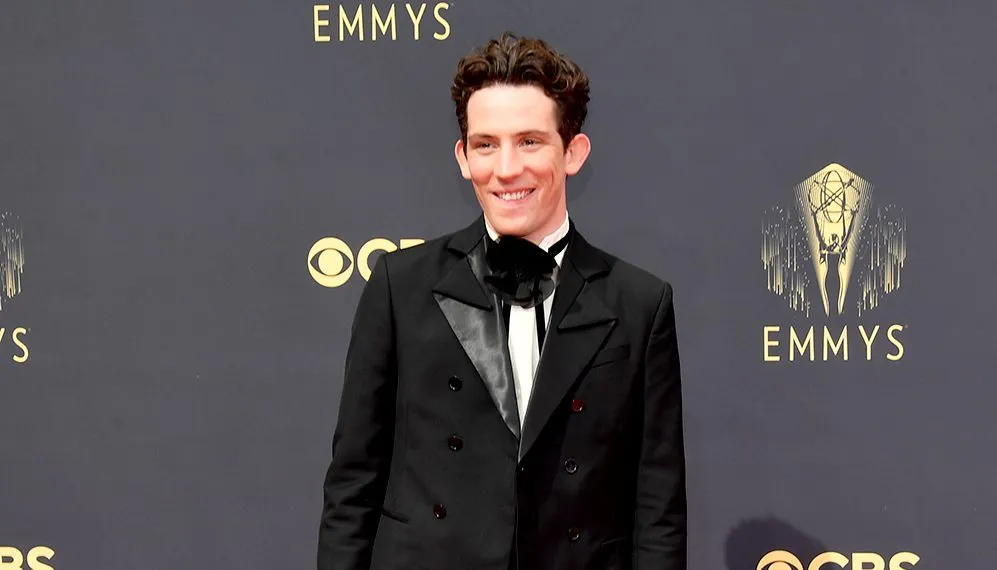
In today’s industry, success operates on multiple tracks. Academy Awards recognition signals craft validation. Golden Globe wins amplify industry visibility. Strong box office performance demonstrates commercial draw. Meanwhile, prestige cinema defines artistic credibility and long-term cultural impact.
These measures do not always overlap. Many performers achieve major acclaim without ever becoming mass-market attractions. This is why the debate around awards recognition vs box office often misunderstands what actually makes a career sustainable.
What makes a movie star is not only talent but visibility, marketing machinery, franchise positioning, and audience familiarity at scale. Prestige actors tend to optimize for artistic integrity, complex roles, and critical ecosystems rather than opening-weekend numbers.
Josh O’Connor sits firmly in the prestige-first lane. His career choices signal a deliberate alignment with awards ecosystems rather than commercial spectacle, making him a consistent presence in awards conversations without translating into multiplex dominance.
Josh O’Connor’s Breakthrough Through Prestige, Not Popularity
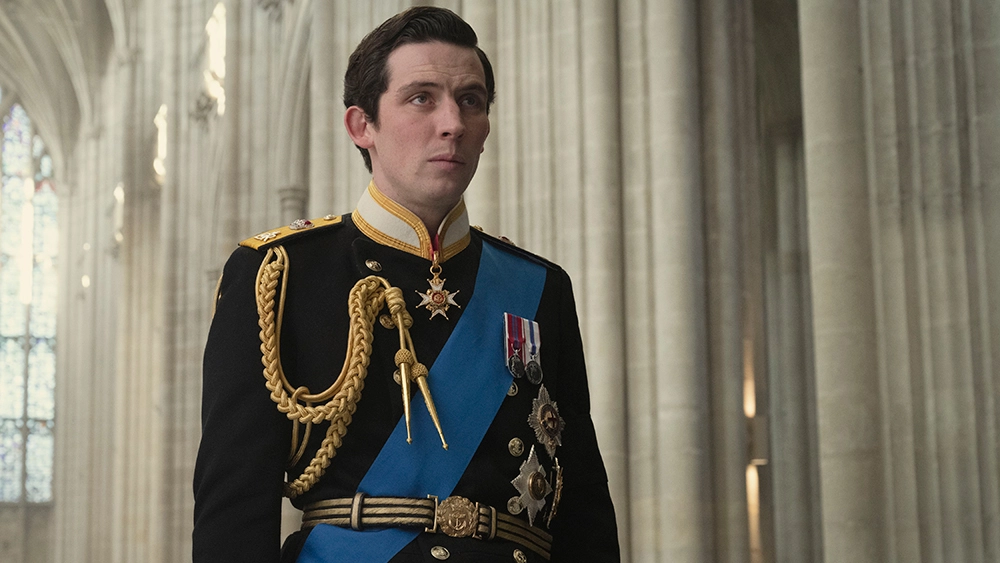
The defining feature of O’Connor’s rise is that his visibility emerged through prestige television and nuanced, character-driven performances, not studio blockbusters. His early momentum was fueled by emotional specificity, internal tension, and psychological realism rather than star charisma or spectacle.
This pattern shaped his Josh O’Connor breakthrough role and established a clear prestige acting career trajectory. Instead of chasing immediate recognizability, he cultivated long-term trust with critics, casting directors, and awards bodies who prioritize craft over scale.
The Crown and the Power of Cultural Prestige
O’Connor’s portrayal of Prince Charles in The Crown on Netflix became his career inflection point. The role demanded vulnerability, repression, romantic longing, and emotional fracture, all delivered with subtlety.
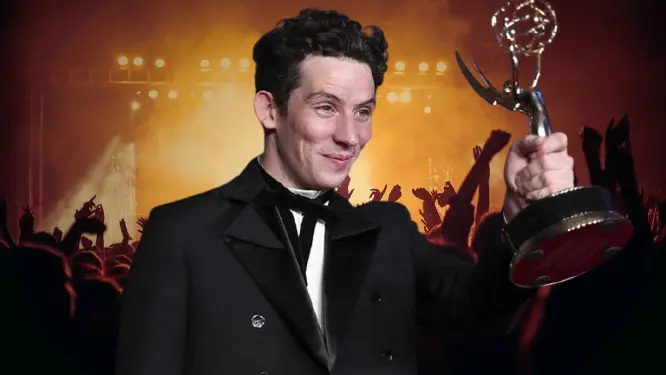
His performance translated into major industry validation, including wins and nominations across the Golden Globe Awards and Emmy Awards ecosystem. The critical conversation around Josh O’Connor, The Crown, consistently highlighted psychological layering and emotional credibility. His Prince Charles performance demonstrated how minimalism can generate maximum emotional resonance in prestige storytelling, reinforcing his alignment with prestige TV awards culture.
However, television prestige does not automatically convert into box-office draw. While the role elevated his industry profile dramatically, it did not reposition him as a theatrical star capable of anchoring commercial releases. Cultural prestige strengthened reputation… but not the ticket sales.
Film Choices That Prioritized Craft Over Commerce
After his television breakthrough, O’Connor doubled down on artistically driven work rather than pivoting toward mainstream vehicles. His filmography reflects consistent alignment with independent films, global film festivals, and director-led storytelling rooted in auteur cinema.
These selections favor emotional density, moral complexity, and character immersion over spectacle or broad demographic appeal, reinforcing his reputation through Josh O’Connor’s indie films, carefully chosen auteur-driven projects, and consistently curated festival films. The pattern reflects a strategic or instinctive preference for creative satisfaction rather than market visibility.
God’s Own Country and the Foundation of Critical Trust
Before global recognition arrived, God’s Own Country (2017) established O’Connor’s artistic identity within British independent cinema and LGBTQ+ cinema. The film demanded raw vulnerability, physical authenticity, and emotional exposure that signaled the seriousness of intent.
The project generated significant critical attention and festival visibility, positioning him as a critically acclaimed debut performer and cementing trust among programmers and reviewers. Josh O’Connor’s God’s Own Country became shorthand for his willingness to pursue emotionally demanding material that privileges realism over polish.
This early foundation created a durable artistic reputation in the British indie film space that continues to shape his casting and perception.
Later Film Roles and Continued Festival Presence
Rather than pivoting into commercial franchises, O’Connor maintained a steady presence in film festivals, critics’ circuits, and independent releases. His projects often generate strong reviews and awards chatter but modest theatrical footprints.
This consistency reinforces his standing as a performer valued primarily for craft. Discussions around Josh O’Connor’s film roles often frame him as a festival favorite actor, someone whose work thrives in curated cultural spaces rather than mass entertainment ecosystems.
Why Josh O’Connor Never Became a Box-Office Movie Star
Several structural factors explain why O’Connor has not crossed into mainstream stardom:
- Minimal participation in franchise films or IP-driven universes
- Absence of traditional action, superhero, or spectacle-led vehicles associated with blockbuster cinema
- Limited exposure through studio marketing systems that manufacture Hollywood stardom
- A career rhythm that favors artistic autonomy over mass branding
This makes the question of why Josh O’Connor isn’t a movie star less about limitation and more about positioning. His box office visibility was never the primary objective. He operates outside the industrial pathways that generate franchise actors and mass recognition.
The Industry’s View: An Actor’s Actor
Within professional circles, O’Connor is widely regarded as an actor’s actor. Film critics, directors, and collaborators consistently praise his emotional precision, discipline, and reliability.
His performances demonstrate deep listening, internalized tension, and psychological credibility rather than performative bravado. This aligns closely with values embedded in modern acting craft assessment frameworks, which prioritize authenticity and restraint.
These qualities have earned him sustained industry respect and positioned his work as consistently delivering awards-friendly performances that resonate with juries more than commercial magnetism.
Cultural Respect vs Box-Office Visibility (Core Comparison Section)
The distinction between cultural relevance and financial dominance shapes modern acting careers. Box-office success reflects reach and marketing power. Cultural impact reflects artistic contribution, memory retention, and professional esteem.
Actors who sustain long-term influence often build credibility through consistent quality rather than momentary visibility. Prestige performers tend to cultivate reputations that age well across decades rather than peaking during franchise cycles.
The tension of cultural respect vs box office clarifies why prestige over popularity often produces more durable careers. O’Connor’s trajectory aligns strongly with long-term acting careers rooted in critical trust rather than box-office volatility.
Comparisons to Other Awards-Focused Actors
O’Connor’s positioning mirrors many prestige actors whose careers emphasize awards ecosystems over commercial saturation. These performers share disciplined role selection, emotional rigor, and selective visibility patterns.
Such awards-focused careers prioritize longevity, creative satisfaction, and institutional respect rather than celebrity amplification. This places O’Connor among actors known for awards, not box office, a cohort of prestige film actors whose influence is measured through critical legacy and cultural credibility.
Could Josh O’Connor Become a Movie Star in the Future?
A pivot toward large-scale commercial vehicles could alter his career trajectory. Participation in a recognizable franchise or mainstream genre could increase visibility and introduce him to broader audiences.
However, this mainstream crossover potential would involve creative tradeoffs and branding risks. A pivot toward large-scale commercial vehicles could alter his career trajectory. Participation in a recognizable franchise or mainstream genre could increase visibility and introduce him to broader audiences, reshaping conversations around Josh O’Connor’s future career positioning.
But his current pattern suggests a preference for artistic consistency rather than franchise dependency. Franchise opportunities may emerge, but alignment with his existing identity remains uncertain.
The question is less about capability and more about alignment with values and career intent. This could help in reshaping conversations around Josh O’Connor’s future career positioning.
Why Awards Favor Actors Like Josh O’Connor
Modern awards voting bodies increasingly reward subtle emotional calibration, internalized tension, and controlled restraint rather than overt theatricality.
These preferences reflect evolving standards of performance evaluation, emphasizing psychological realism and narrative credibility. O’Connor’s approach aligns naturally with awards-friendly performances, explaining why his work consistently resonates with juries and critics.
This reinforces broader patterns around why awards favor certain actors whose craft emphasizes nuance over spectacle.
Final Takeaway – Prestige Without Stardom
O’Connor demonstrates that award recognition does not require commercial dominance. His career exemplifies how artistic credibility, durability, and respect can thrive independently of mass celebrity.
As a case study in modern prestige acting, his trajectory highlights long-term relevance over short-term visibility. The narrative is not about what he lacks, but about what he intentionally cultivates.
This Josh O’Connor career summary positions him as a lasting prestige actor without stardom, thriving within the ecosystems that reward depth, discipline, and artistic courage.