
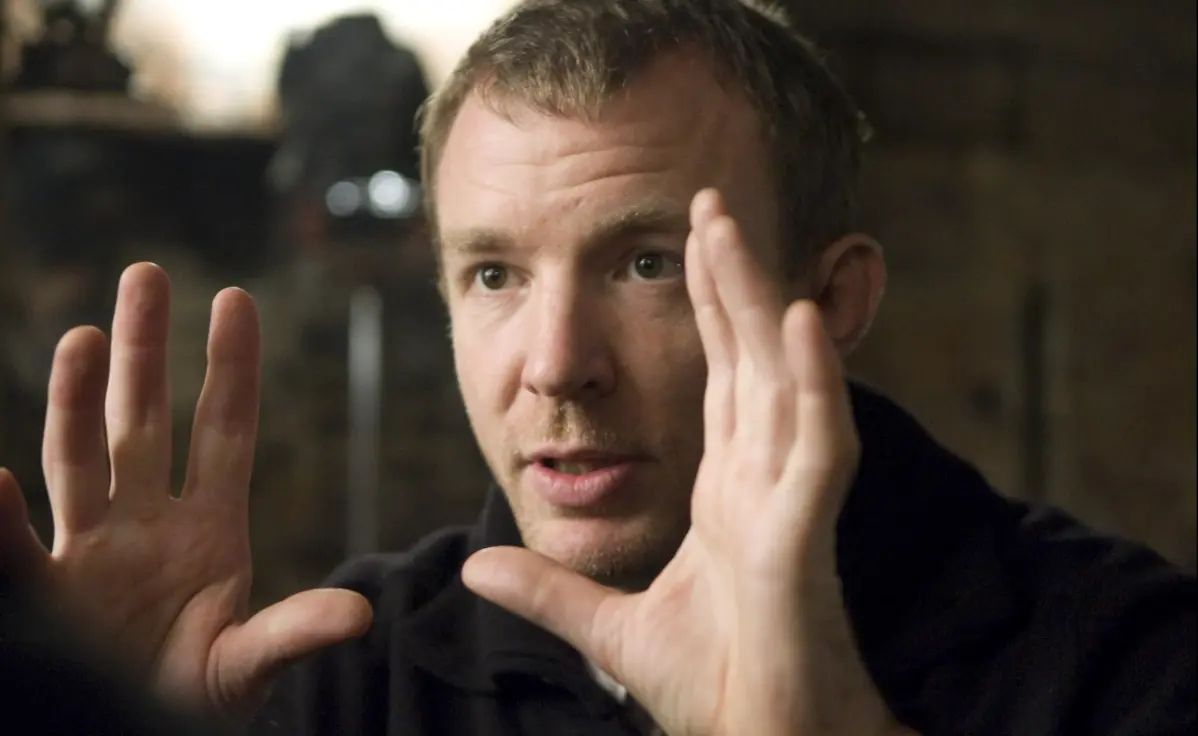

Few modern directors have built a voice as instantly recognizable as Guy Ritchie. Emerging from British cinema, his energetic approach to crime films reshaped how audiences experienced humor, violence, and narrative rhythm. Over time, his journey moved from raw independent energy into polished studio filmmaking, without losing his playful edge.
This article explores Guy Ritchie’s filmmaking style, tracing Guy Ritchie’s career evolution across multiple phases. From early experiments to blockbuster reinvention and modern genre blending, Guy Ritchie’s directing continues to evolve while staying unmistakably his own. This Guy Ritchie film analysis focuses on how momentum, risk-taking, and reinvention define his long-term relevance.
Guy Ritchie’s Early Influences and Style Foundations
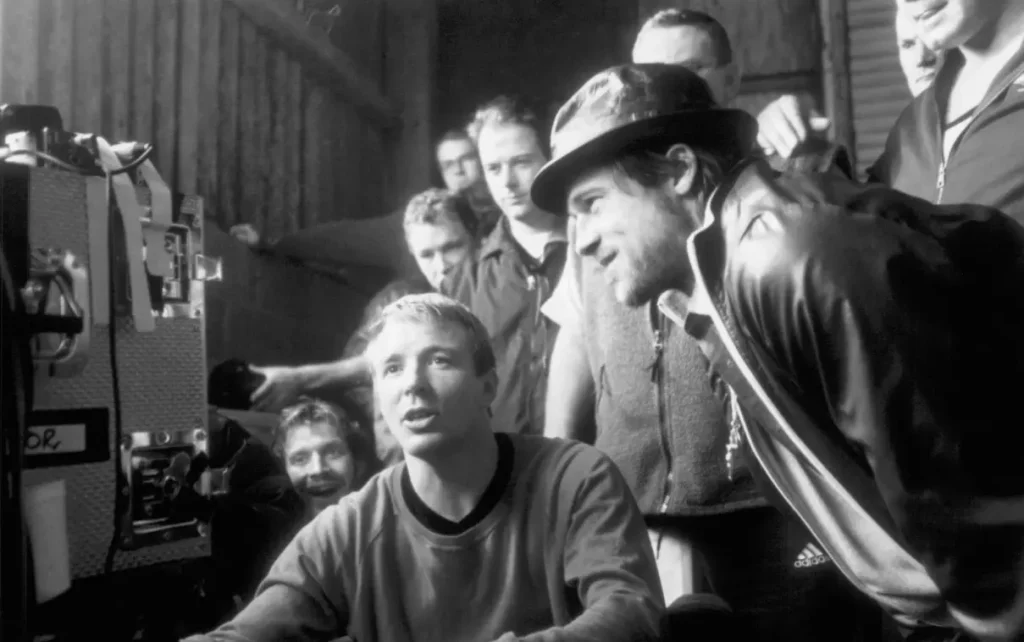
Unlike many directors, Ritchie had no formal film school training. He learned through observation, editing experiments, and practical production, embodying a hands-on spirit rooted in independent filmmaking. His early interests drew heavily from British gangster cinema, where fast-talking criminals and gritty humor shaped his storytelling instincts.
Street culture, slang-driven dialogue, and heightened realism fed into his approach to crime storytelling. Ritchie also gravitated toward punchy pacing, sharp transitions, and fragmented timelines that mirrored pulp fiction rhythms. These foundations defined the emergence of Guy Ritchie’s early style and highlighted Guy Ritchie’s influences across British crime films.
The Breakout Era – Redefining British Crime Cinema
Ritchie burst onto the scene with confidence and irreverence. His early work injected speed, humor, and stylistic swagger into British crime cinema, creating fast-moving narratives packed with colorful characters and overlapping storylines. These films quickly earned cult followings and established him as a filmmaker who embraced chaos without losing clarity.
His use of energetic editing, voiceovers, and layered plotting helped revive interest in ensemble-driven storytelling. The result was a wave of cult films built around dynamic ensemble casts. This period solidified the impact of Guy Ritchie’s breakout films, fueling a broader British crime revival and shaping what many now call modern cult crime movies.
Guy Ritchie’s Filmmaking Evolution
1. Lock, Stock and Two Smoking Barrels (1998)
Made on a modest budget, Lock, Stock and Two Smoking Barrels became an unexpected hit. Its rapid-fire editing, interlocking criminal schemes, and witty dialogue reshaped the expectations of a British crime comedy. The film quickly achieved cult status as a cult classic, influencing a generation of indie filmmakers.
The movie established Ritchie’s kinetic rhythm and narrative confidence, marking the foundation of Guy Ritchie’s Lock Stock as a calling card. Its reception demonstrated clear debut film success and firmly planted his recognizable crime comedy style.
2. Snatch (2000)
With Snatch, Ritchie expanded his formula using a larger budget and international stars, including Brad Pitt. The film accelerated pacing, sharpened humor, and amplified stylistic flair while maintaining the chaos of an ensemble crime film.
The global success of the project confirmed his voice on a wider stage. It reinforced GuyRitchie’se Snatch as a benchmark for his evolving brand, showcasing his signature filmmaking style and cementing his place as a recognizable auteur of the modern crime ensemble movie.
Style Saturation and Early Career Pushback
As Ritchie’s trademarks became more visible, criticism followed. Some reviewers pointed to predictable rhythms and repeated character types, leading to growing auteur criticism tied to stylistic repetition. The early excitement softened as audiences sensed formulaic patterns.
This period reflects a shifting critical reception, where success created expectations that became harder to satisfy. The debate around Guy Ritchie’s criticism and repetitive style highlighted concerns of creative stagnation and emerging auteur fatigue.
3. Swept Away (2002)
Ritchie attempted a genre shift with Swept Away, a remake positioned as a romantic drama remake. The film struggled critically and commercially, widely viewed as a critical flop.
While disappointing, the experience proved pivotal. Guy Ritchie’s Swept Away became a cautionary example of experimentation misalignment and marked a visible career setback film that forced creative reassessment.
Experimentation and Identity Crisis Phase
In the years following, Ritchie explored broader creative directions through genre experimentation and personal reinvention. These projects reflected a director searching for a balance between ambition and audience connection.
This transitional phase reflects attempts at auteur reinvention, visible through mixed reviews and divided audiences. The era defines many of Guy Ritchie’s experimental films and represents a genuine career transition phase.
4. Revolver (2005)
Revolver signaled a major tonal shift. Framed as a psychological crime film, it leaned into abstraction, symbolism, and philosophical inquiry. Its fragmented narrative challenged expectations and polarized viewers.
The film stands as a case study in ‘Guy Ritchie Revolver analysis’, illustrating the risks of pushing conceptual boundaries within the experimental crime movie space.
Studio Reinvention and Blockbuster Transition
Ritchie successfully pivoted toward large-scale production, embracing blockbuster cinema and modern franchise filmmaking. This transition allowed him to maintain energy while adapting to the logistical demands of big-budget studio films.
This period represents his Guy Ritchie blockbuster era, showcasing successful studio reinvention without sacrificing stylistic momentum.
5. Sherlock Holmes (2009–2011)
Ritchie reimagined the iconic detective in Sherlock Holmes, starring Robert Downey Jr., and released by Warner Bros. His version blended stylized action with playful intellect and commercial polish.
The films demonstrated how Guy Ritchie’s Sherlock Holmes balanced spectacle with character-driven flair, redefining franchise reboot style while maintaining creative identity.
Return to Crime Roots With Maturity
Later projects reflected a refined return to familiar territory. Ritchie embraced mature filmmaking, focusing on sharper character motivations and disciplined pacing rather than pure chaos.
This phase highlights a thoughtful crime genre return, delivering controlled storytelling aligned with GuyRitchie’se return to crime films and a more refined gangster cinema approach.
6. The Gentlemen (2019)
The Gentlemen marked a confident comeback to form within British crime comedy. The film embraced self-awareness while modernizing narrative structure and visual rhythm.
Fans celebrated Guy Ritchie’s The Gentlemen as a successful modern crime comeback that blended nostalgia with maturity.
Streaming, Franchise Work, and Genre Blending
Ritchie expanded into streaming platforms, exploring broader storytelling avenues across action cinema and fantasy adaptations. His flexibility allowed him to move between formats while maintaining a recognizable tone.
This era reflects his growing genre versatility, supporting a steady pipeline of Guy Ritchie streaming projects.
Recent Films and Ongoing Direction
His latest work continues blending scale and personality within modern action cinema. Current projects balance commercial expectations with personal flair, illustrating steady creative momentum.
This phase represents consistent output across Recent Guy Ritchie films, highlighting adaptability within his current filmmaking phase.
Defining Traits of Guy Ritchie’s Filmmaking
- Non-linear storytelling drives dynamic, unpredictable narratives that keep viewers actively engaged.
- Ensemble narratives are tightly woven, allowing multiple character arcs to intersect and escalate simultaneously.
- Crime archetypes appear vivid and stylized, balancing exaggerated personalities with grounded street realism.
- Humor mixed with violence creates energetic tonal contrast while maintaining fast-paced momentum.
- Rapid editing sustains rhythm, urgency, and visual propulsion across scenes.
- Stylized narration helps guide audiences through layered timelines and complex character networks.
- Interlocking storylines reinforce narrative cohesion while amplifying dramatic payoff.
Guy Ritchie’s filmmaking traits emerge from the combination of speed, structure, and playful chaos. His signature directing style remains instantly recognizable through consistent pacing, visual energy, and tonal confidence.
Critical Reception Over Time
Reception has fluctuated over the decades. Early acclaim gave way to skepticism before renewed appreciation emerged through retrospective discussions. Many projects now benefit from long-term reevaluation.
The balance between cult followings and mainstream critique continues to shape GuyRitchie’se critical reception, fueling ongoing career reevaluation through retrospective analysis.
Influence on Modern Crime and Action Cinema
Ritchie’s stylistic imprint appears across global projects within modern crime cinema. Rapid editing, overlapping narratives, and heightened character energy echo through contemporary releases.
His legacy reflects enduring filmmaking influence, reinforcing Guy Ritchie’s influence and shaping a lasting crime film legacy within popular culture.
Final Reflection – The Evolution of a Distinct Auteur
From underground beginnings to international franchises, Ritchie’s journey reflects adaptability rooted in identity. His ability to recalibrate without losing personality defines his longevity.
This Guy Ritchie career evolution summary captures an ongoing auteur filmmaking journey marked by reinvention rather than repetition.