
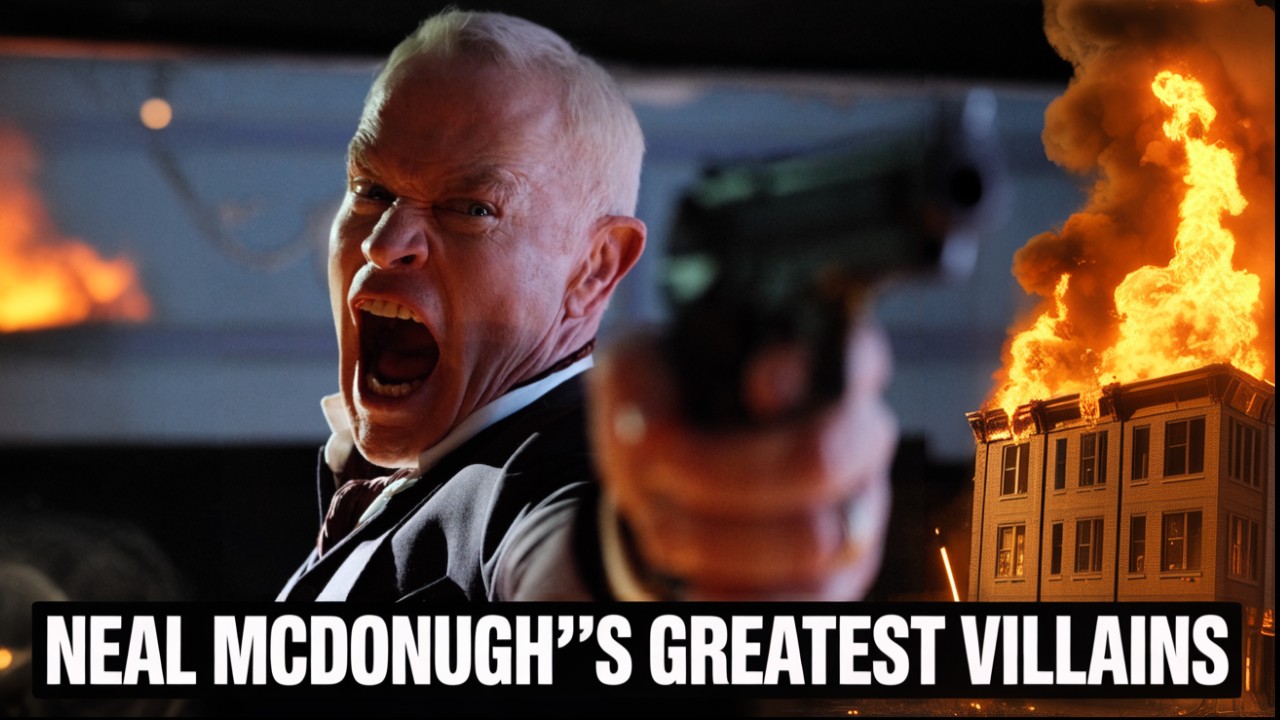
Neal McDonough’s Greatest Villains: From Arrow’s Damien Darhk to Yellowstone’s Malcolm Beck
Neal McDonough has one of those faces you don’t forget. He has sharp blue eyes, clipped delivery, and a presence that fills the screen. Over the years, he’s become a go-to actor for villains, not because he overplays them but because he brings just enough charm to make them dangerous. Whether it’s a comic-book sorcerer, a crooked businessman, or a psychotic mobster, McDonough knows how to make bad guys unforgettable.
Let’s take a look at Neal McDonough’s Movies and TV Shows that stood out:
Damien Darhk (Arrow): The Sorcerer Who Changed Everything
When Arrow premiered, its producers promised a grounded vigilante story.
That changed in Season 4. Damien Darhk arrived in Star City with powers that felt unstoppable. He possessed mystic powers that let him drain life‑force, stop arrows mid‑flight, and hold entire rooms hostage with a wave of his hand. Darhk led H.I.V.E., a secret group planning to set off nuclear bombs and retreat into a Utopian bunker. The threat was bigger than anything Oliver Queen had faced. Executive Producer Marc Guggenheim said they wanted a villain who could test Oliver in “new ways”.
McDonough leaned into the theatricality, playing Darhk like a child throwing tantrums yet capable of ruthless murder. The result is a sorcerer who smiles as he squeezes the life out of innocents, revels in his villainy, and still flashes enough charm to make viewers laugh before gasping. His arc climaxes in tragedy as he kills Laurel Lance and triggers worldwide panic before Oliver finally defeats him.
Fans still debate whether Arrow ever found a more charismatic foe.
Malcolm Beck (Yellowstone): Ruthless Businessman vs. The Duttons
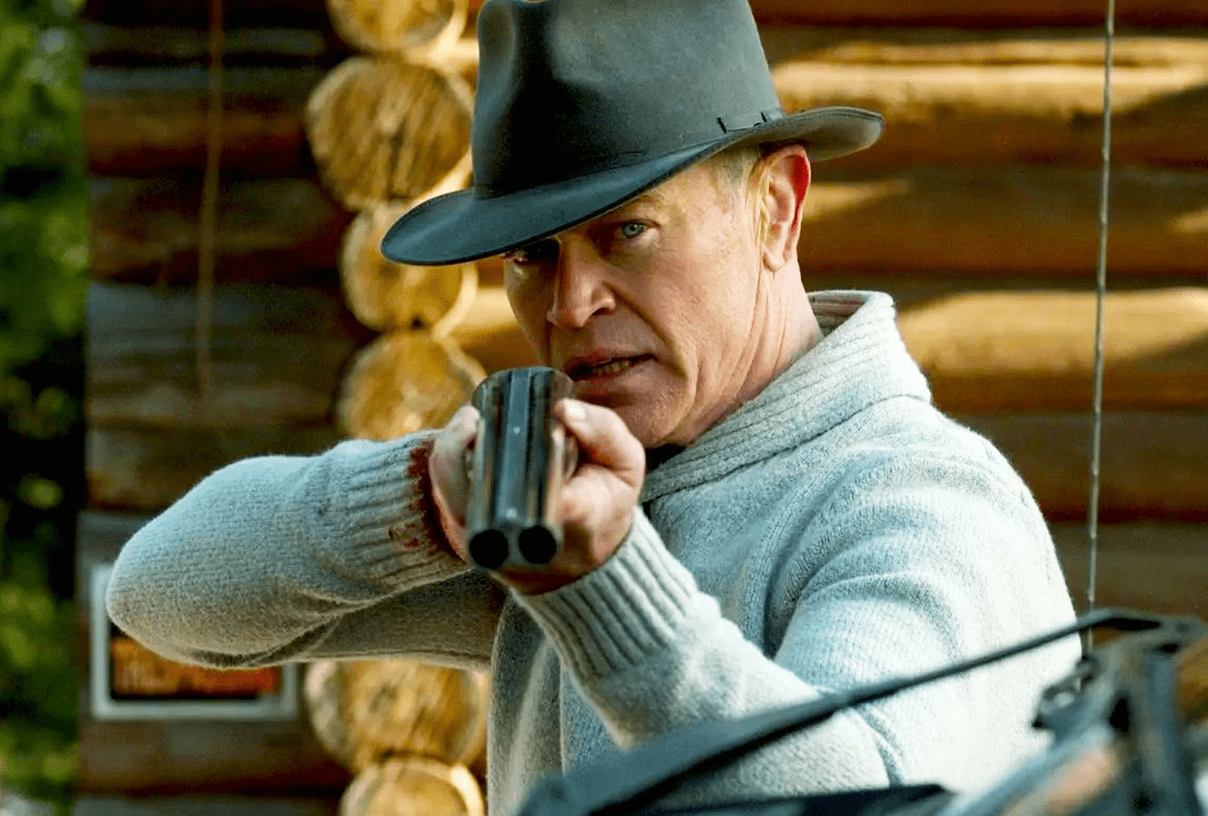
If Damien Darhk shows comic-book evil, Malcolm Beck is a villain built on harsh realism. In Season 2 of Yellowstone, the Beck Brothers—Malcolm and his hot-tempered brother Teal bring the cut-throat ways of casino owners to Montana. Their tactics are brutally simple: threats, blackmail, murder, poisoning cattle, and kidnapping. Yet, Neal McDonough gives Malcolm a strange sense of honor. He told Collider that Malcolm sees himself as a businessman with a “code of ethics” and truly believes that the ends justify the means. That belief makes him frightening. He doesn’t scream; he shakes your hand while secretly planning your downfall.
The Becks’ attacks push the Dutton family to join forces with old rivals, leading to a showdown where John Dutton shoots Malcolm, leaving him bleeding on his sister’s porch. This storyline matched Yellowstone’s rise in fame, as viewership more than tripled between Season 1 and Season 4. Audiences enjoyed seeing McDonough hold his own opposite Kevin Costner and, for a brief moment, nearly steal the ranch from its patriarch.
Robert Quarles (Justified): The Most Unpredictable Villain Ever
Then there’s Robert Quarles in Justified Season 3—a villain so unpredictable that even other criminals are terrified of him.
In the show, McDonough appears as a Detroit mob lieutenant who tries to carve out an oxycodone empire in Harlan County. On the surface, Quarles is an urbane newcomer in clean-cut tailored suits. Underneath, he’s a time bomb. A recap of the episode “Guy Walks Into a Bar (2011)” shows us how both Quarles and Raylan Givens are “smart, angry, violent men” shaped by horrific fathers (of course, this is now a cliche).
Quarles bribes the local sheriff and tries to physically move into his office, a brazen plan for an outsider. He later reveals that his father sold him for drugs until mob boss Theo Tonin intervened and forced him to kill the man who abused him. This trauma doesn’t humanize him so much as explain his capacity for cruelty; he murders rivals, chains people to bed, and threatens to shoot Raylan in the back.
Critics described McDonough’s performance as simultaneously fascinating and repulsive. His final confrontation ends with Raylan severing his arm—a gruesome climax that cements Quarles as a villain who would literally lose a limb rather than give up. Here as well, fans agree that McDonough delivered the wildest antagonist that the series ever saw.
The McDonough Formula: What Makes His Villains Unforgettable
- Chameleonic Range: Each character inhabits a different genre, superhero fantasy, neo‑western, crime noir, showing McDonough can slip seamlessly between worlds.
- Moral Complexity: Even when playing evil incarnate, he suggests layers. Damien Darhk winks at his own monstrosity; Malcolm Beck genuinely believes he’s right; and Robert Quarles weaponizes his childhood trauma.
- Commanding Presence: Producers praised how he “enjoys having no conscience” and still makes it compelling. Viewers often find themselves momentarily rooting for his villains.
- Charisma: His characters don’t just glare; they smile, joke, and even show warmth before flipping the switch to cruelty.
Neal McDonough’s Complete Villain Filmography: Every Notable Bad Guy Role
- Frank D’Amico’s enforcer in Kick-Ass (2010) – A tough and dangerous mobster helping run the city’s crime world.
- Dave Williams in Desperate Housewives (2008–2009) – A seemingly friendly new neighbor who’s secretly planning revenge.
- Callum Rennie in Walking Tall (2004) – A greedy casino boss whose corruption makes life miserable for the town.
- Joseph in Minority Report (2002) – A shady federal agent who shows the darker side of futuristic law.
- SEC Investigator in Suits – More of a gray-area character, but often the thorn in Harvey Specter’s side, threatening to bring him down.
- Damien Darhk across other DC shows (Legends of Tomorrow, The Flash, Supergirl) – He didn’t just stop with Arrow. McDonough kept playing the sorcerer across other shows, always stealing the spotlight.
Why Neal McDonough Remains Hollywood’s Premier Villain Actor
What’s remarkable about Neal McDonough’s run of bad guys is how much life he breathes into them. It would be easy for these roles to feel overdone or one‑note, but he finds the small human details that make them feel real. Years later, fans still talk about Darhk’s grin while he kills a main character, Beck’s calm cruelty as he tightens the noose on the Duttons, and Quarles’ breakdown in a hotel room. These performances prove that playing the villain can be just as rewarding, if not more, than playing the hero.